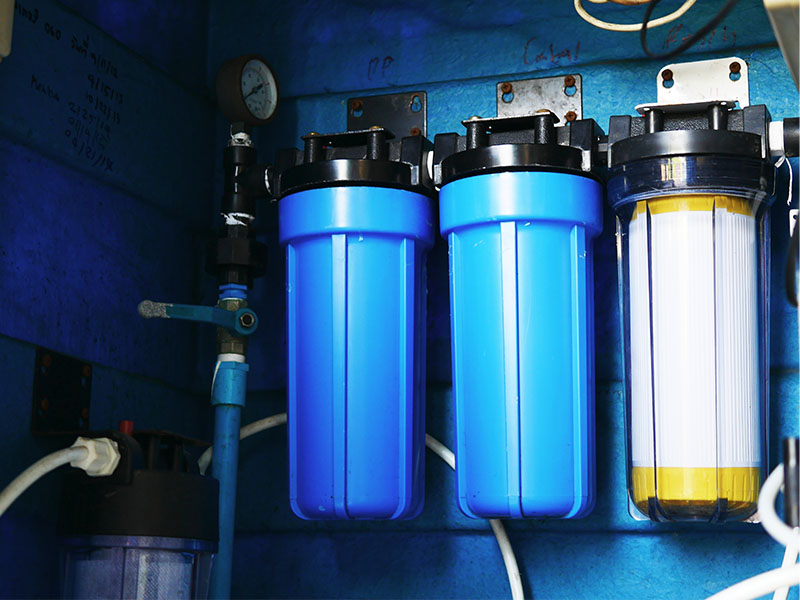
Repairing Your Damaged Sewer Line With Minimal Digging
Book today with Z PLUMBERZ of Greater Milwaukee.
A damaged sewer line may make you picture an excavator tearing across your lawn, removing landscaping, or cutting into a driveway just to reach the problem. In some situations, excavation is necessary. In others, modern trenchless sewer repair can address damaged underground piping with far less digging.
The right solution depends on what’s actually happening inside your sewer line. Cracks, deterioration, buildup, root intrusion, and collapsed sections don’t all call for the same repair. By starting with an accurate diagnosis, you can find out whether a minimally invasive sewer repair is an option for your Greater Milwaukee home and avoid unnecessary disruption to your property.
What Is Trenchless Sewer Repair?
Trenchless sewer repair refers to methods used to restore or replace underground sewer piping without excavating a long, open trench along the entire length of the line.
Traditional sewer replacement generally requires digging down to the damaged pipe so it can be removed and replaced. That approach is still appropriate for certain sewer problems, especially when a line has collapsed or its condition makes trenchless repair impractical.
When your existing sewer pipe meets the requirements for a trenchless solution, however, much of the work can be completed through existing access points or limited openings. This can reduce the amount of digging needed around lawns, sidewalks, driveways, patios, and other finished areas.
Z PLUMBERZ of Greater Milwaukee offers trenchless sewer pipe repair and lining as part of our sewer services, allowing us to consider less invasive options when the condition of your line makes them appropriate.
How Do You Know if Your Sewer Line Is Damaged?
A sewer line is underground, so you can’t simply look at it to check its condition. Instead, problems often become noticeable through changes inside or around your home.
Some warning signs can also be caused by an ordinary drain clog, which is why diagnosing the source matters before you assume the sewer pipe itself needs repair.
Drains Keep Backing Up
One slow sink or shower often points to a localized drain problem. When several drains are slow, or backups repeatedly affect multiple fixtures, the issue may be farther down the drainage system.
Pay particular attention to problems that keep returning after the line has been cleared. A recurring blockage may mean there’s an underlying issue that needs more than another temporary clearing.
You Notice Sewer Odors
Your drainage system is designed to keep sewer gases out of your living spaces. Persistent sewer odors can indicate a problem that deserves professional attention.
The source could involve a drain, trap, vent, seal, or sewer line. Rather than trying to identify the cause by smell alone, have the system inspected if the odor persists or occurs alongside other drainage problems.
Your Yard Shows Unusual Changes
Because your sewer lateral runs underground, a problem may occasionally reveal itself outside.
Areas worth investigating can include:
- An unusually wet or soggy patch of ground
- A depression forming along the sewer line’s path
- Unexpected changes in vegetation
- Sewage or wastewater appearing above ground
Those symptoms shouldn’t be ignored. They don’t tell you exactly what has failed, but they can indicate that an underground sewer or drainage problem needs attention.
You’re Calling for Sewer Service More Often
A single blockage doesn’t necessarily mean the sewer line is damaged. Repeated problems are different.
If you clear the line only to have another backup occur soon afterward, there may be something affecting the pipe itself. Buildup, roots, damaged joints, cracks, or deterioration can contribute to recurring sewer trouble.
The next step shouldn’t be guessing which one you have. It should be finding out what the inside of the line actually looks like.
A Sewer Camera Inspection Helps Locate the Real Problem
Before deciding how to repair an underground sewer line, you need to know what condition it’s in.
A sewer camera inspection allows a plumber to examine the inside of an accessible sewer line. The camera can help identify the location and nature of visible problems instead of relying only on symptoms occurring inside your home.
Depending on what’s happening in the line, an inspection may reveal issues such as:
- Cracks or deteriorated sections
- Root intrusion
- Heavy buildup or obstructions
- Separated or damaged pipe connections
- Sections that have lost their proper shape or integrity
- A more serious collapse or failure
The findings help determine what comes next.
For example, a blockage caused primarily by accumulated debris may need cleaning rather than structural sewer repair. A pipe with repairable deterioration may be a candidate for trenchless lining. A severely collapsed section may require excavation so the failed pipe can be accessed directly.
Our Greater Milwaukee team uses video camera inspection when evaluating sewer line problems and determining whether a trenchless repair is suitable.
That diagnostic step is important because minimal digging should never be the goal at the expense of making the correct repair.
How Sewer Pipe Lining Can Reduce the Need for Excavation
One trenchless option for certain damaged sewer lines is pipe lining. Instead of removing the existing pipe from the ground, the process restores it internally.
Think of it as creating a new interior surface within the existing sewer pipe.
Before lining can be installed, the existing line has to be evaluated to determine whether its condition can support the process. Preparation can also involve cleaning the pipe so debris, buildup, and other material don’t interfere with the new lining.
When the line is a suitable candidate, a liner and coating material are installed within the existing pipe. Once the material cures, it forms a new interior structure inside the old line. Z PLUMBERZ of Greater Milwaukee’s pipe lining process includes camera evaluation, pipe preparation and cleaning, and installation of an epoxy liner when the existing piping meets the requirements for lining.
Because the original sewer line remains in place, you may be able to avoid excavating the entire route of the pipe.
Why Minimal Digging Can Make a Big Difference
The sewer repair itself matters most, but how you reach the pipe can have a significant effect on the rest of your property.
An underground sewer lateral may pass beneath or near areas you’ve invested time and money into maintaining. Extensive excavation can affect more than grass.
Depending on the location of your sewer line, limiting excavation may help reduce disruption to:
- Established landscaping
- Walkways and sidewalks
- Driveways
- Patios and other hardscaping
- Finished outdoor spaces
- Areas with limited equipment access
That can make trenchless sewer repair particularly appealing when the damaged pipe runs beneath an area that’s difficult or inconvenient to excavate.
Less digging doesn’t mean no work is involved. Access may still be necessary, and every property presents different conditions. The benefit is that a qualifying repair may not require opening the ground continuously from one end of the affected sewer line to the other.
When Trenchless Sewer Repair May Be a Good Fit
Trenchless technology expands your repair options, but it isn’t a universal solution for every damaged sewer line.
Pipe lining generally depends on having enough existing pipe structure to support the new interior liner. The type, location, extent, and severity of the damage all influence whether the method can be used.
A trenchless approach may be worth considering when the pipe has deterioration that can be restored internally and access through extensive excavation would otherwise disrupt finished areas of your property.
The decision should be based on the actual pipe condition rather than a preference for one method before inspection.
If you’re evaluating your options, useful questions to ask include:
- Where exactly is the damaged section?
- Is the sewer pipe still structurally suitable for lining?
- Does the entire line need attention or only one area?
- Is cleaning required before a repair can be completed?
- How much excavation would each repair option require?
- Are there sections that can’t be addressed with a trenchless method?
Clear answers can help you understand not just which option is available, but why it’s being recommended.
When Traditional Excavation May Still Be Necessary
Minimal digging sounds appealing, but there are situations where accessing the pipe directly is the more appropriate solution.
If a sewer line has collapsed severely, shifted out of position, or deteriorated beyond what an internal repair can address, excavation may be necessary. The same can apply when site conditions prevent the equipment or liner from reaching the affected area properly.
In some cases, only part of the project requires digging. A plumber may need to create an access point or excavate a specific failed section rather than open the entire length of the sewer line.
The important distinction is that trenchless sewer repair isn’t about avoiding excavation at all costs. It’s about avoiding unnecessary excavation when another repair method can solve the problem effectively.
If traditional sewer replacement is the better option for your home, understanding that upfront helps you plan for the work rather than choosing a less invasive method that doesn’t fit the condition of the pipe.
A Clogged Sewer Line Doesn’t Always Need Structural Repair
When wastewater backs up into your home, it’s natural to assume something has broken. Sometimes the sewer pipe is damaged. Other times, the line is structurally intact but obstructed.
That’s an important distinction.
Grease, debris, scale, and other accumulation can restrict flow. Tree roots may also enter vulnerable areas of a sewer line and contribute to blockages. Depending on the cause and condition of the pipe, professional sewer cleaning may restore flow without requiring a structural sewer repair.
Hydro jetting is one method that uses pressurized water to remove certain types of buildup and root intrusion from sewer and drain lines. Z PLUMBERZ of Greater Milwaukee uses camera inspections to evaluate sewer problems and may use hydro jetting to clear qualifying obstructions before determining whether additional repair is necessary.
This is another reason inspection comes before repair. If the pipe doesn’t need to be lined or replaced, you shouldn’t be treating a blockage like a failed sewer line.
What to Expect When You Call About a Damaged Sewer Line
Sewer trouble can feel urgent because it affects one of your home’s most important systems. Knowing what information to share can help us begin narrowing down the problem.
When you contact Z PLUMBERZ of Greater Milwaukee, tell us what you’ve been experiencing and when it started. Useful details include whether several drains are affected, whether you’ve had previous backups, whether the line has recently been cleaned, and whether you’ve noticed any changes outside.
From there, the goal is to identify the source before recommending the repair.
First, We Evaluate the Sewer Line
If a camera inspection is appropriate and the line can be accessed, we can use it to examine the inside of the pipe and locate visible concerns.
That gives you much more useful information than simply knowing that the sewer “isn’t working.”
Next, We Match the Repair to the Damage
Once the condition of the pipe is understood, we can discuss the available options.
That may involve clearing an obstruction, restoring a qualifying line with trenchless pipe lining, repairing a particular section, or replacing piping when the existing sewer can’t be effectively restored.
The least invasive option isn’t automatically the best one. The right approach is the one that addresses the actual cause and condition of the problem.
Then, You Know What the Work Involves
Before moving forward, you should understand what portion of the sewer needs attention and how the proposed repair will affect your property.
That includes knowing whether digging is required and, if so, where. Having that information makes it easier to prepare for the project and understand why a specific sewer repair method was selected.
Don’t Put Off Signs of Sewer Line Damage
Sewer line problems rarely become more convenient when they’re ignored. A recurring backup, suspected leak, or damaged underground pipe can continue interfering with drainage and may lead to more disruption if the underlying issue isn’t addressed.
If your sewer is showing warning signs, avoid repeatedly treating the symptom without finding out why it keeps happening. A professional inspection can help separate a removable obstruction from structural pipe damage and determine whether minimal-dig sewer repair is realistic for your property.
In the City of Milwaukee, homeowners are generally responsible for the repair and maintenance of their private sewer laterals, making it especially important to understand the condition of the line serving your property.
Find the Right Sewer Repair With Z PLUMBERZ of Greater Milwaukee
A damaged sewer line doesn’t automatically mean your entire yard has to be excavated. When the pipe’s condition allows it, trenchless sewer repair and pipe lining can provide a less disruptive way to restore the line while limiting unnecessary digging around your property.
Z PLUMBERZ of Greater Milwaukee provides sewer inspections, cleaning, repair, trenchless pipe lining, and sewer line replacement options for homeowners throughout the Greater Milwaukee area. We’ll identify the problem first, walk you through the repair options, and help you determine which approach makes sense for your sewer line.
If you’re dealing with recurring backups or suspect your sewer line is damaged, contact Z PLUMBERZ of Greater Milwaukee today to schedule sewer service and find out whether a minimal-dig repair is right for your home.
Expert Tips
Aging Pipes in Your Milwaukee Home? When to Consider Repiping
Your plumbing works behind the scenes every day, so it’s easy to overlook the condition of your pipes until something…
What to Do When Your Basement Floods During a Summer Storm
Summer storms can bring heavy rainfall that overwhelms drainage systems and sends water into your basement with little warning. Whether…
A Guide to Water Treatment Systems for Greater Milwaukee Homeowners
Understanding the different types of water treatment systems, how they work, and when they're needed can help you make a…