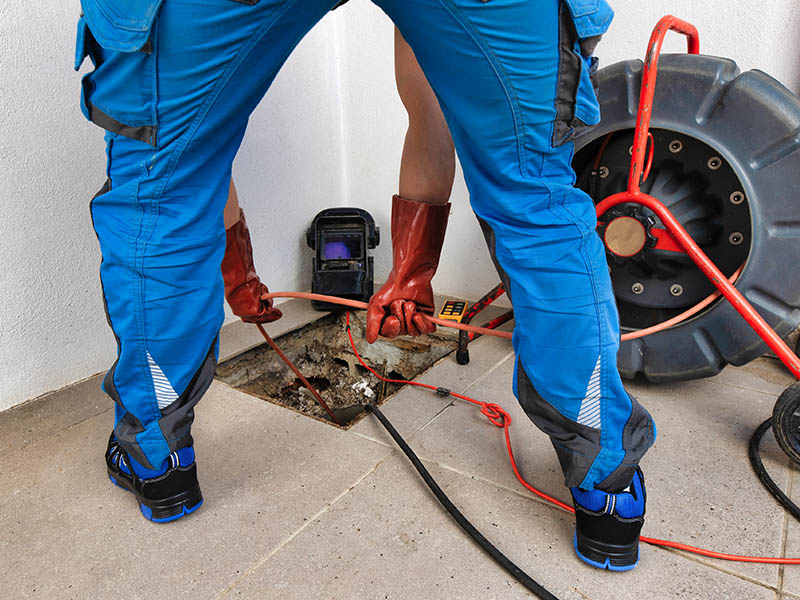
Water Draining Slowly in Your Sink or Tub? Trusted Solutions for Jupiter Homes
Book today with Z PLUMBERZ of Jupiter.
When water starts draining slowly in your sink or tub, it’s easy to brush it off as a minor annoyance. However, that slow drain is often your plumbing system’s way of signaling a deeper issue. Left unaddressed, what seems like a small inconvenience can quickly turn into a complete blockage, foul odors, or even water damage that affects your home’s structure.
This guide walks you through the most common reasons your sink or tub drains slowly, how to fix minor issues yourself, and when it’s time to bring in professional help. With the right approach, you can restore proper drainage, prevent future issues, and keep your home’s plumbing system running efficiently.
What Causes Slow Drains in Sinks and Tubs?
A slow drain doesn’t happen randomly—it develops over time due to buildup and wear within your plumbing system. Understanding the root cause helps you choose the most effective solution and avoid repeated issues.
In bathroom sinks and tubs, hair is one of the biggest contributors to clogs. When combined with soap scum, it forms a sticky residue that clings to the inside of your pipes. Over time, this buildup narrows the passage for water, causing it to drain more slowly.
Kitchen drains tend to struggle with a different set of materials. Grease, oils, and food particles often make their way into your pipes, even when you try to rinse them away. While grease may seem harmless when hot, it quickly solidifies and traps debris as it cools.
Common causes of slow drains include:
- Hair and soap scum buildup in bathroom drains
- Grease and food waste in kitchen sinks
- Mineral deposits from hard water
- Pipe corrosion or aging plumbing materials
Each of these issues restricts water flow in different ways, which is why identifying the source matters. A surface-level fix won’t solve a deeper blockage, and ignoring the root cause can lead to recurring problems.
Early Warning Signs You Shouldn’t Ignore
A slow drain is rarely an isolated issue. In most cases, your plumbing system provides several warning signs before things get worse. Recognizing these early indicators allows you to act before a complete blockage occurs.
One of the most obvious signs is standing water. If water lingers longer than usual in your sink or tub, it means something is already restricting flow. Over time, that restriction will only become more severe.
Odors are another important signal. When debris builds up inside your pipes, it begins to break down and produce unpleasant smells. These odors can spread into your home and make everyday activities uncomfortable.
You may also notice unusual sounds. Gurgling or bubbling noises often indicate trapped air caused by a blockage interfering with proper drainage.
Watch for these key warning signs:
- Water pooling or draining very slowly
- Musty or foul odors coming from drains
- Gurgling sounds during drainage
- Multiple fixtures draining slowly at once
If more than one of these signs appears, the issue may be deeper in your plumbing system. Acting early can help you avoid more serious and expensive repairs.
DIY Solutions to Fix a Slow Drain
When a drain starts slowing down, you can often resolve the issue with a few simple tools and techniques. These methods work best for minor clogs and early-stage buildup.
Start with a plunger. Creating suction can help dislodge debris that’s blocking water flow. Make sure there’s enough water in the sink or tub to form a tight seal for better results.
A natural cleaning solution can also be effective. Pour baking soda followed by vinegar into the drain, allow it to sit, and then flush with hot water. This combination helps break down light buildup safely.
You should also check the drain stopper. Hair and debris frequently collect in this area, especially in bathroom drains. Removing and cleaning it can make an immediate difference.
Try these safe DIY methods first:
- Use a plunger to loosen minor clogs
- Flush with baking soda and vinegar
- Remove and clean the drain stopper
At the same time, avoid solutions that can cause more harm than good. Chemical drain cleaners and store-bought drain snakes may seem convenient, but they can damage your pipes and worsen the problem over time.
Avoid the following:
- Harsh chemical cleaners
- Forcing tools too aggressively into pipes
- Repeated temporary fixes without results
If these methods don’t improve drainage, the issue likely requires professional attention.
When Professional Drain Cleaning Is Necessary
Some drain problems go beyond what DIY solutions can handle. Knowing when to call a professional can save you from ongoing frustration and prevent more serious damage to your plumbing system.
If your drain remains slow after multiple attempts to fix it, the blockage may be located deeper within the pipes. Professional plumbers use specialized equipment, such as drain cameras, to identify the exact source of the issue.
Recurring clogs are another clear sign that something more significant is happening. If the same drain continues to slow down, it usually means the underlying cause hasn’t been fully addressed.
More serious symptoms may indicate a larger system issue. For example, water backing up into other fixtures can point to a blockage in your main sewer line.
Situations that require professional help include:
- Persistent slow drains despite DIY efforts
- Frequent or recurring clogs
- Water backing up into sinks or tubs
- Multiple drains affected at the same time
Professional drain cleaning services like hydro jetting can thoroughly clean your pipes and restore proper flow. Addressing the problem early with expert help prevents costly repairs and keeps your plumbing system functioning efficiently.
How to Prevent Slow Drains in the Future
Preventing slow drains starts with consistent habits and simple maintenance. By making small changes in how you use your plumbing system, you can avoid many common issues altogether.
In the kitchen, be mindful of what goes down the drain. Grease and oil should never be poured into your sink, even with hot water. Using a strainer helps catch food particles before they enter your pipes.
Bathroom drains also require regular attention. Hair and soap residue can build up quickly, so cleaning drain covers and stoppers should become part of your routine.
Adopting a few preventative habits can make a big difference:
- Use drain strainers in sinks and tubs
- Dispose of grease and oil properly
- Run hot water after each use
- Clean stoppers and covers regularly
Routine maintenance is just as important. Scheduling periodic inspections allows potential issues to be identified early, before they develop into major problems.
Taking these steps not only prevents slow drains but also helps extend the lifespan of your plumbing system, saving you time and money in the long run.
Reliable Drain Solutions for Jupiter Homeowners
A slow-draining sink or tub is more than just an inconvenience; it’s an early warning sign that your plumbing system needs attention. By understanding the causes, recognizing the warning signs, and taking proactive steps, you can prevent small issues from turning into major problems.
When basic solutions aren’t enough, having a trusted professional like Z PLUMBERZ of Jupiter makes all the difference. We provide reliable, efficient plumbing services designed to solve the problem at its source, not just mask the symptoms. With the right tools, experience, and attention to detail, we ensure your drains are cleared properly and stay that way.
Don’t wait until you’re dealing with major water backups. Contact us today for drain cleaning services that restore your plumbing system to peak performance.
Expert Tips
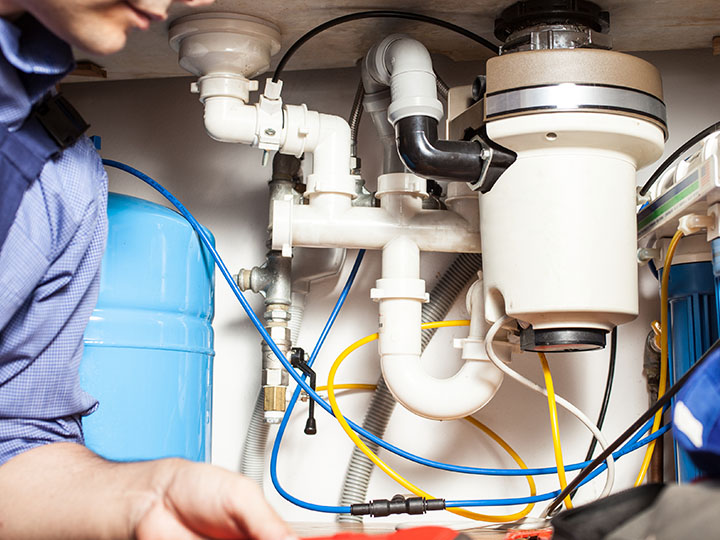
Maintaining Your Garbage Disposal: Tips for Jupiter Homeowners
For many homeowners in Jupiter, garbage disposal problems seem to appear suddenly.
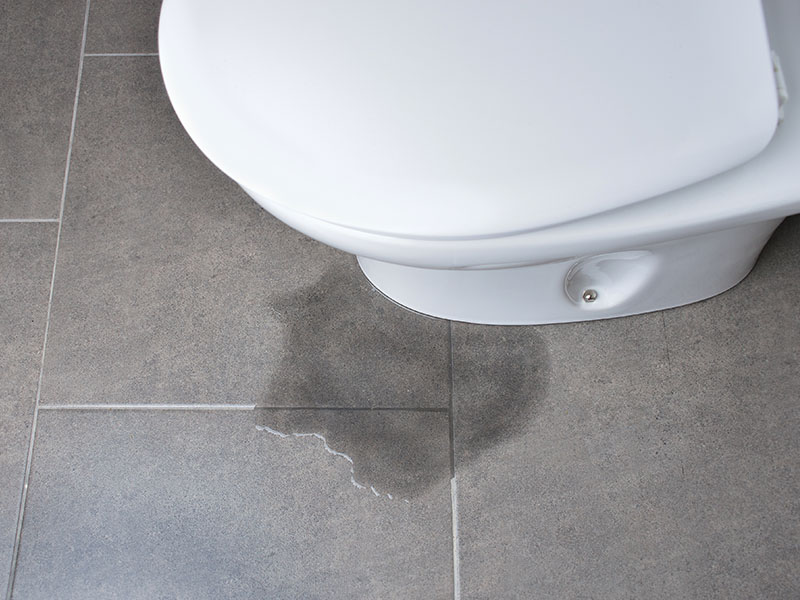
Water Around the Base of Your Toilet? Here's Why You Need to Call a Plumber
Seeing water pooled around the base of your toilet is sure to catch your attention, but many homeowners clean up…
Hydro Jetting: The Ultimate Drain Cleaning Solution for Stubborn Clogs
When your drains start slowing down or clogging repeatedly, the problem often goes deeper than a simple blockage.