A Homeowner’s Guide to Garbage Disposal Maintenance in Kennewick
Book today with Z PLUMBERZ of Kennewick.
We all know that garbage disposals make clean-up in the kitchen easier, but it’s also not uncommon for these devices to break down. When this happens, it often becomes a major headache and slows down your daily routines. The key to avoiding a garbage disposal failure is staying on top of maintenance and recognizing the early signs of trouble.
In many Kennewick homes, everyday use, mineral-heavy water, and normal wear inside the plumbing system slowly take a toll on the disposal and the sink drain. Because everything happens out of sight, it’s easy to miss early warning signs until the problem becomes hard to ignore.
This guide explains how garbage disposals function, why proper care matters, which habits support long-term performance, and when professional service is the safest and most effective solution.
How a Garbage Disposal Works
Like any device in your home, understanding how your garbage disposal works makes it easier to use it correctly and recognize when something isn’t right. Inside the unit, metal grinding components rotate at high speed, breaking food scraps down and directing them into your sink’s drain with the help of running water.
These systems don’t rely on sharp blades. Instead, food waste is reduced through pressure and friction until it’s small enough to move through your plumbing system. This process requires steady water. Without it, debris can build up inside the disposal chamber or collect in the drain line beneath your sink.
In Kennewick homes—particularly those with older plumbing or partially restricted drains—this leftover material can build up even faster. As debris accumulates, it can cause slow drainage, unpleasant odors, or added strain on the disposal’s motor, all of which signal that professional maintenance or repair service is needed.
Everyday Habits That Support a Healthy Garbage Disposal
Long-term disposal performance depends heavily on how the unit is used day-to-day. Small, consistent habits can significantly reduce wear and help prevent plumbing problems.
Simple habits that help extend the life of your garbage disposal include:
- Scraping excess food into the trash before using the sink
- Running cold water before, during, and after disposal use
- Feeding food into the disposal gradually instead of all at once
- Letting the disposal run a few seconds after grinding finishes
- Cleaning the unit regularly using non-abrasive methods
Cold water plays an especially important role because it keeps fats and oils solid long enough to be broken up and flushed away rather than sticking to pipes. Over time, these habits reduce strain on the motor and help keep drain lines clear.
Foods and Materials That Commonly Cause Disposal Problems
Many garbage disposal issues stem from items that seem harmless but are difficult for the unit or your plumbing system to handle. Some foods don’t break down easily, while others expand or clump together once exposed to water.
Items that frequently damage disposals or clog drains include:
- Fibrous vegetables such as celery, onion skins, and corn husks
- Starchy foods like rice, pasta, and potato peels
- Cooking grease, fats, and oils
- Coffee grounds and eggshells
- Bones, fruit pits, and non-food debris
Even small amounts of these materials, added repeatedly over time, can accelerate wear, create blockages, and lead to persistent odors. Being selective about what goes into your kitchen’s disposal is one of the simplest and most effective ways to protect both the unit and your plumbing system.
Recognizing Early Warning Signs of Disposal Trouble
While being cautious of what you put down your garbage disposal is the number one way to avoid issues, it’s still essential to stay informed on the signs of trouble. Garbage disposals rarely fail without warning. Changes in sound, performance, or drainage often appear long before the unit stops working completely.
Common signs a garbage disposal may need professional service include:
- Loud grinding, humming, or rattling noises
- Slow or backed-up drainage in the sink
- Persistent odors that do not improve with cleaning
- Leaks or moisture under the sink
- A disposal that frequently shuts off or will not turn on
Moisture under the sink should always be taken seriously, as it may indicate failing seals, loose connections, or cracks in the disposal housing. Addressing these warning signs early can prevent more extensive damage and reduce the likelihood of needing a full replacement.
Why DIY Fixes Often Make Disposal Problems Worse
When a garbage disposal starts acting up, it’s natural to want to fix the problem right away. Simple actions like pressing the reset button or checking for visible obstructions can help in limited situations. However, when those quick fixes don’t resolve the issue, it’s often because the problem is happening deeper inside the system.
At that point, do-it-yourself attempts can quickly become risky. Reaching into a disposal is dangerous even if the power is turned off, and using chemical drain cleaners is another common mistake. These products can damage disposal components, corrode pipes, and make existing blockages worse—especially in older Kennewick plumbing systems.
Because many disposal problems aren’t caused by surface-level issues, what looks like a simple jam may actually involve worn internal parts, a developing clog in the drain line, or an electrical concern. Professional service ensures the problem is properly diagnosed and resolved safely, without creating additional damage or repeat failures.
Repair or Replace: Making the Right Choice
Not every garbage disposal issue requires a new unit. In many cases, targeted repairs can restore proper operation, particularly when the disposal is relatively new and the issue is caught early.
Older disposals, however, may experience recurring jams, leaks, or electrical problems that make replacing it the more practical option. Modern units are often quieter, more efficient, and better suited to today’s kitchen demands. A professional evaluation helps determine whether repair or replacement offers the best long-term value for your home.
Professional Garbage Disposal Service in Kennewick
Taking care of your garbage disposal comes down to using it thoughtfully, avoiding habits that cause unnecessary strain, and knowing when a problem is better handled by a professional. When these practices come together, it can have a positive impact on the functionality and lifespan of your disposal.
If an issue does occur, Z PLUMBERZ of Kennewick is ready to provide garbage disposal repairs and replacements designed for local homes and plumbing systems. Our team is committed to delivering clear communication, accurate diagnostics, and lasting solutions during every service call.
Contact us today to schedule your garbage disposal service and keep your kitchen plumbing running smoothly.
Expert Tips
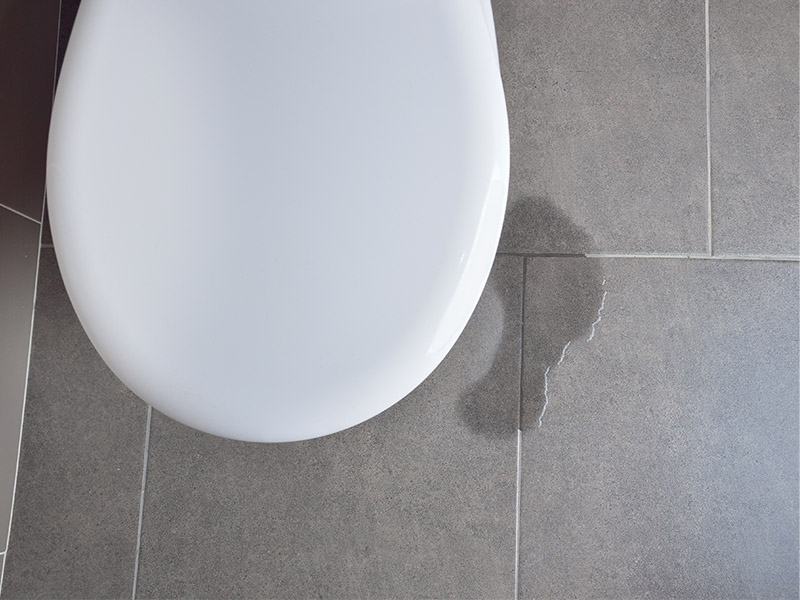
Water at the Base of Your Toilet? What It Means and Why You Should Call a Plumber
A sewer line blockage is one of the most serious plumbing issues you can face as a homeowner.
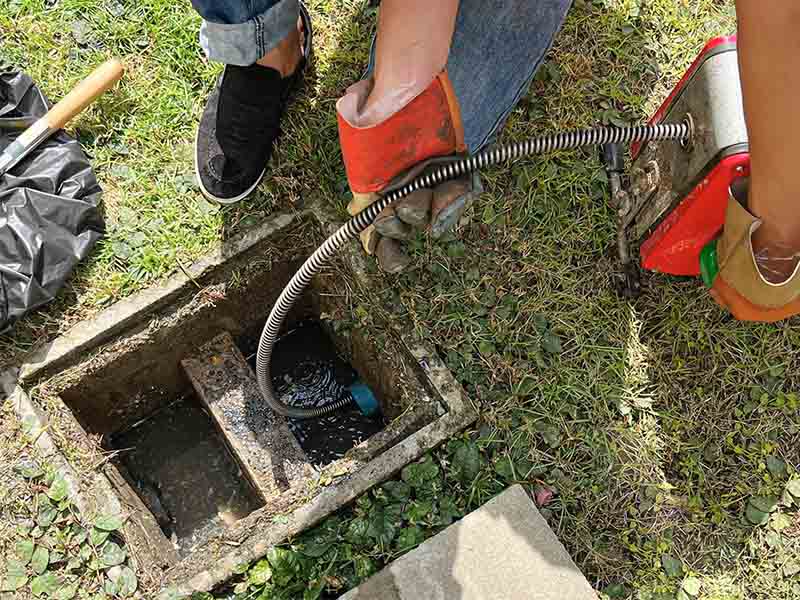
5 Warning Signs Your Kennewick Home Has a Sewer Line Blockage
A sewer line blockage is one of the most serious plumbing issues you can face as a homeowner.
How Kennewick’s Freeze-Thaw Cycles Damage Plumbing and What to Do About It
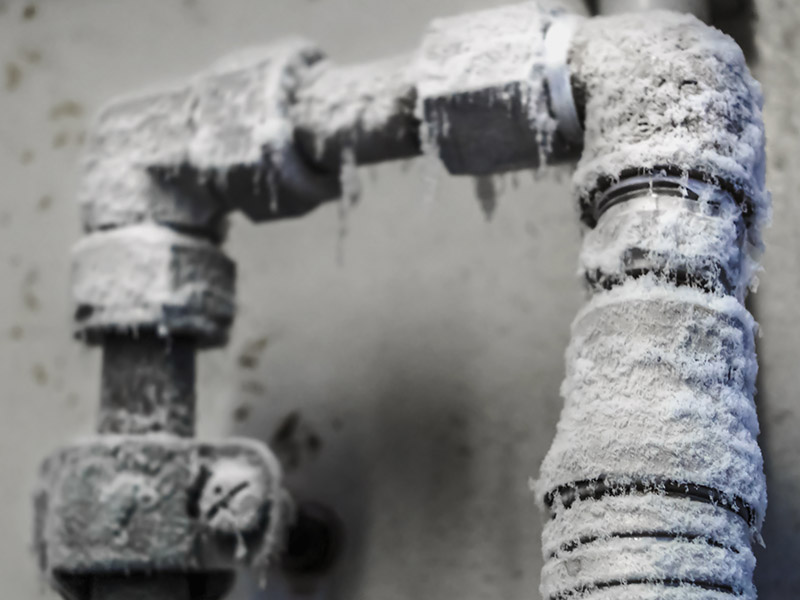
Cold nights often give way to warmer days, creating a pattern that is surprisingly destructive to your plumbing system.