Water pressure is one of those things that you rely on without even thinking about it. Every shower, load of laundry, and sink faucet depends on steady pressure to work the way you expect. When that pressure suddenly feels weaker than normal or unusually strong, it can disrupt your routine and raise concerns about what’s happening in your plumbing system.
In Kennewick and throughout the Tri-Cities, water pressure issues are more common than many homeowners realize. Shifts in municipal supply, mineral content in the water, aging plumbing, and pressure-regulating components inside your home can all influence how water moves through your system. When you understand how pressure works and what affects it, you’re far better equipped to respond early and avoid unnecessary damage.
This guide walks you through why water pressure matters, what causes problems in Kennewick homes, and when professional plumbing support becomes the safest and smartest option.
Why Proper Water Pressure Matters More Than You Think
Water pressure affects far more than convenience. It plays a key role in protecting your plumbing system and ensuring your fixtures and appliances operate efficiently. When pressure stays within a safe range, water flows smoothly without placing unnecessary stress on pipes, valves, or connections.
When pressure drops too low, everyday tasks become frustrating and inefficient. More importantly, low pressure can signal blockages, leaks, or corrosion developing out of sight. On the other end of the spectrum, pressure that’s too high may not feel like a problem at first, but it steadily wears down your plumbing system over time.
What Causes Low Water Pressure in Kennewick Homes
If your water pressure feels weaker than it used to, the cause may be inside your home—or outside of it. Low pressure can stem from several sources, and identifying the right one is essential to fixing the problem.
Mineral Buildup in Pipes and Fixtures
Water in the Kennewick area contains minerals that naturally accumulate over time. As these deposits collect inside pipes, they narrow the available space for water to flow. Even though water still reaches your fixtures, the reduced opening slows it down, leading to noticeable pressure loss.
This buildup often shows up first in showerheads and faucet aerators, which can make the problem feel isolated. In reality, it’s often a sign of a larger issue deeper in the plumbing system.
Aging or Corroded Plumbing
If your home has older metal pipes, corrosion may be restricting water flow from the inside. Rust and debris gradually reduce pipe diameter, making it harder for water to move freely. Over time, pressure loss becomes more noticeable and more widespread throughout the home.
Valves That Aren’t Fully Open
Main shut-off valves or water meter valves that aren’t completely open can significantly restrict water flow. This sometimes happens after plumbing work or maintenance, and even a small restriction can affect pressure across the entire house.
A Failing Pressure Regulator
Many homes use a pressure-reducing valve to control incoming water pressure. When that regulator begins to fail, pressure can drop unexpectedly and remain consistently low. Because regulators wear out gradually, this issue often goes unnoticed until pressure problems become persistent.
Municipal Supply Changes
Not all pressure problems originate inside your home. City maintenance, line repairs, or high demand during peak usage times can temporarily reduce pressure. These fluctuations often resolve on their own, but recurring issues may indicate a need for further evaluation.
High Water Pressure: The Problem You Might Not Notice Right Away
Low water pressure tends to get your attention quickly. High water pressure, however, is often overlooked because strong flow can feel convenient—especially in showers. Unfortunately, excessive pressure is one of the most damaging conditions for a plumbing system.
Why Excess Pressure Causes Damage
Most residential plumbing systems are designed to operate safely between 40 and 60 psi. When pressure regularly exceeds that range, pipes and fixtures experience constant strain. Over time, this stress weakens joints, wears out seals, and increases the likelihood of leaks or burst pipes.
Water heaters are especially vulnerable. High pressure can cause relief valves to discharge unexpectedly or shorten the lifespan of the unit altogether. What feels like a minor issue can quietly lead to expensive repairs.
Signs Your Water Pressure May Be Too High
Because pressure problems aren’t visible, your home often provides indirect warning signs. These may include banging or knocking noises when water shuts off, faucets that drip even when closed tightly, toilets refilling unexpectedly, or appliance hoses failing sooner than expected.
In areas of Kennewick where elevation changes and municipal pressure variations occur, high pressure is more common. Testing pressure with a gauge and adjusting or installing a pressure regulator can prevent serious damage before it starts.
How a Professional Plumber Restores Balanced Water Pressure
Water pressure problems rarely have simple, one-size-fits-all solutions. A licensed plumber evaluates your entire system to determine what’s actually causing the issue rather than relying on guesswork.
If mineral buildup or corrosion is restricting flow, pipe cleaning or targeted pipe replacement can restore pressure and improve water quality. When pressure is too high or inconsistent, repairing or replacing a pressure regulator often stabilizes the system quickly. Valve adjustments may also be necessary to ensure water flows evenly throughout your home.
Hidden leaks are another common contributor to pressure problems. Professional leak detection allows issues to be located and repaired without unnecessary damage. In some cases, problems originate in the main water line entering your home, and addressing that supply line can make an immediate difference.
The advantage of professional service is accuracy. Instead of temporary fixes, you receive a solution that addresses the root cause of the problem.
Preventing Water Pressure Issues Moving Forward
Once pressure is restored, preventative care helps keep it consistent. Scheduling periodic plumbing inspections allows pressure levels, valves, and pipes to be evaluated before problems even occur. Cleaning faucet aerators and showerheads helps maintain a steady flow at individual fixtures, while addressing mineral buildup early protects the rest of your system.
If hard water is a recurring concern, water treatment solutions may help reduce mineral accumulation over time. Knowing where your shut-off valves are located and monitoring pressure changes also gives you greater control when something doesn’t feel right.
When Professional Help Is the Right Choice
While some basic checks can be done at home, many pressure issues require expert attention. You should contact Z PLUMBERZ of Kennewick if you’re experiencing persistent low or high pressure, unpredictable fluctuations, unexplained leaks, pipe noises, or appliances wearing out faster than expected.
When you work with us, you receive clear diagnostics, honest recommendations, and repairs designed to last. We understand local water conditions and how they affect Kennewick homes specifically, which allows us to provide solutions that make sense for your system.
Keep Your Water Pressure Working for You
Consistent water pressure keeps your home comfortable and your plumbing protected. By paying attention to early warning signs, staying proactive with maintenance, and knowing when to call a professional, you can avoid unnecessary stress and costly repairs.
Z PLUMBERZ of Kennewick is here to help you restore balance and keep your plumbing system performing the way it should. If your water pressure doesn’t feel right—or you want peace of mind about your plumbing system—schedule service today and let our team take care of the rest.
Expert Tips
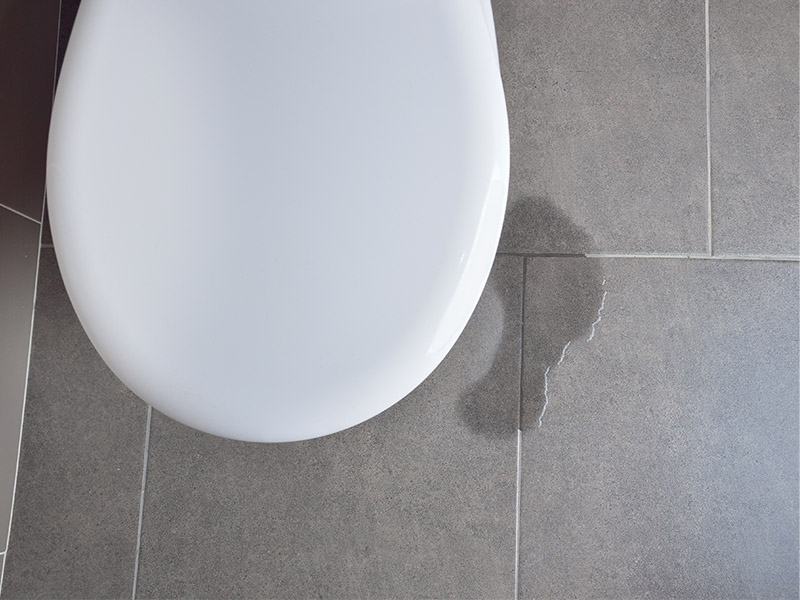
Water at the Base of Your Toilet? What It Means and Why You Should Call a Plumber
A sewer line blockage is one of the most serious plumbing issues you can face as a homeowner.
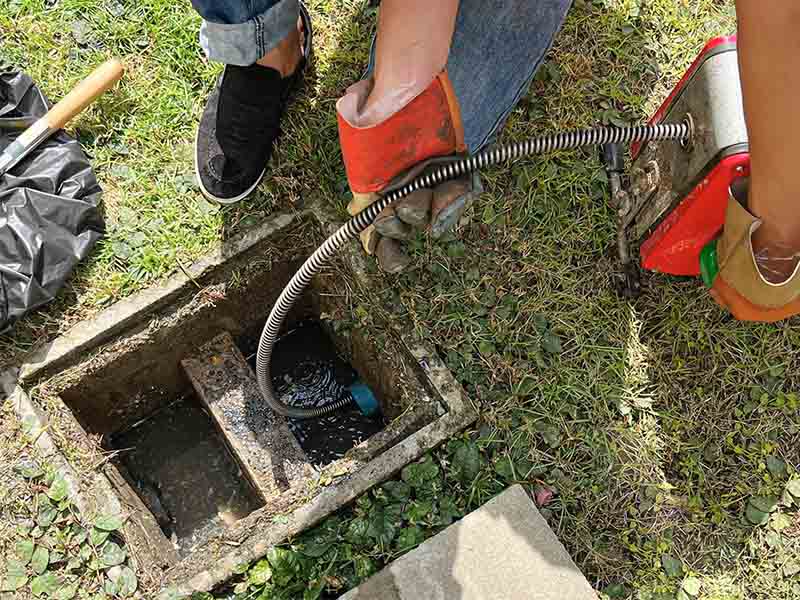
5 Warning Signs Your Kennewick Home Has a Sewer Line Blockage
A sewer line blockage is one of the most serious plumbing issues you can face as a homeowner.
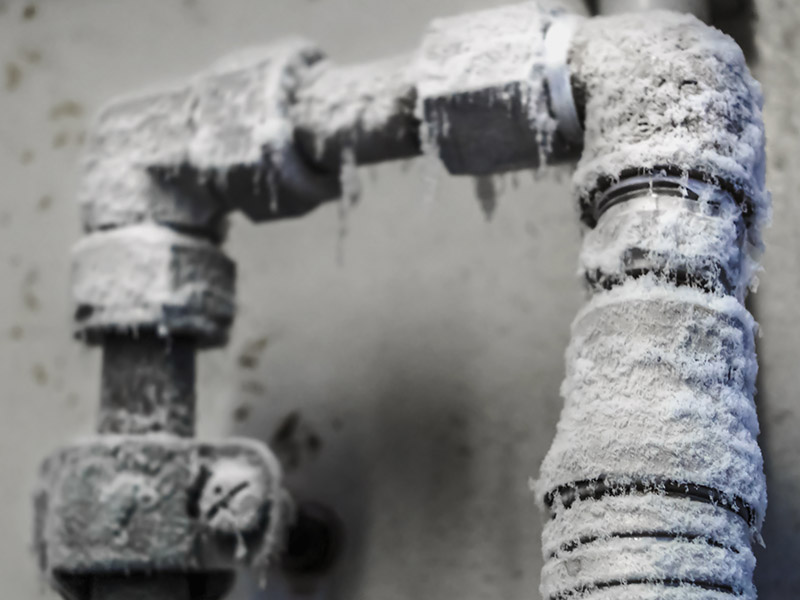
How Kennewick’s Freeze-Thaw Cycles Damage Plumbing and What to Do About It
Cold nights often give way to warmer days, creating a pattern that is surprisingly destructive to your plumbing system.