Why Do My Drains Keep Clogging Even After They’ve Been Cleaned?
Book today with Z PLUMBERZ of Oakland County.
You finally get that stubborn drain cleared, and everything seems back to normal. Water flows freely, the sink empties quickly, and you can stop worrying about another backup. Then, a few weeks later, the same drain starts slowing down again.
If you’re dealing with recurring drain clogs, you might wonder why the problem keeps coming back, especially after you’ve already had the drain cleaned. Sometimes, the blockage wasn’t completely removed. Other times, there’s a problem deeper inside your plumbing that’s causing new clogs to form.
Learning what’s behind repeated blockages can help you avoid temporary fixes and find a solution that keeps your drains working properly.
Why Does a Drain Clog Come Back After Cleaning?
When a drain gets clogged, the immediate goal is usually to get the water moving again. While clearing the blockage restores drainage, it doesn’t always remove everything that caused the problem in the first place.
For example, a drain snake may break through a clog and create enough space for water to pass. However, grease, soap residue, or other buildup can remain along the pipe walls. As more debris collects, another blockage can form in the same spot.
Recurring clogs can also happen when the problem isn’t limited to debris. Damaged pipes, tree roots, and other issues deeper in your plumbing may continue to interfere with drainage even after cleaning. That’s why understanding the cause matters just as much as clearing the blockage itself.
What’s Causing Your Drains to Keep Clogging?
Not all recurring clogs have the same cause. Where the blockage occurs, how quickly it returns, and which fixtures are affected can provide useful clues about what’s happening inside your pipes.
Grease and Food Waste in Kitchen Drains
Your kitchen sink handles plenty of food particles, cooking oils, and dishwashing residue. Even when you’re careful, small amounts of these materials can make their way into the drain.
Grease is particularly troublesome because it can coat the inside of your pipes. Over time, food particles and other debris stick to that residue, gradually narrowing the space available for water to flow.
You might notice that your kitchen sink drains normally after cleaning but becomes sluggish again within a few weeks. If grease buildup remains inside the pipe, the problem can return as more waste collects. Pouring hot water down the drain may temporarily loosen some residue, but it won’t necessarily remove an established blockage.
Hair and Soap Buildup in Bathroom Drains
Bathroom drains deal with a different combination of materials. Hair, soap residue, toothpaste, and grooming products can collect inside sink and shower pipes, gradually restricting drainage.
Hair can become tangled around drain components, creating a place for other debris to accumulate. Meanwhile, soap residue can cling to pipe surfaces and contribute to buildup.
If your shower drain repeatedly backs up, the blockage may be farther down the pipe than you can reach by removing the drain cover. Clearing visible hair may improve drainage temporarily, but buildup deeper inside the pipe can continue causing problems.
Items That Shouldn’t Go Down Your Drains
Some materials are particularly likely to cause trouble because they don’t break down easily in water. Even if they disappear down the drain without an immediate problem, they can become trapped farther along the pipe.
Common examples include:
- Flushable wipes: They don’t break apart like toilet paper.
- Paper towels: They’re designed to stay strong when wet.
- Cotton products: They can collect inside pipes and cause blockages.
- Coffee grounds: They can accumulate with grease and other debris.
- Food scraps: Larger pieces can get trapped in kitchen drainpipes.
Keeping these materials out of your plumbing can help reduce everyday clogs. However, if you’re already careful about what goes down your drains and the problem keeps returning, the cause may be farther inside your plumbing system.
Could Tree Roots Be Causing Your Recurring Drain Problems?
Sometimes, the trouble isn’t coming from anything you’re putting down the drain. It may be happening outside your home, beneath your yard.
Tree roots naturally grow toward sources of moisture. If an underground sewer pipe has a crack, loose joint, or another opening, roots may find their way inside. Once they’ve entered the pipe, they can continue growing and catch toilet paper and other waste passing through.
Eventually, the accumulation can restrict wastewater flow and lead to slow drains or sewage backups.
Why Tree Root Clogs Often Return
Removing roots from a sewer line can restore drainage, but it doesn’t necessarily prevent new growth. If the opening that allowed the roots inside remains, they may grow back and create another blockage.
This is especially worth considering if your property has mature trees near underground sewer pipes. While tree roots aren’t responsible for every recurring clog, they can become an ongoing problem when sewer lines have cracks or damaged joints.
A sewer camera inspection can help determine whether roots are entering your pipes. Depending on the condition of the line, professional cleaning or sewer pipe repair may be necessary to address the problem.
Can Damaged Pipes Cause Repeated Clogs?
Your drains depend on pipes that allow wastewater to move steadily toward the sewer system. When those pipes become damaged or shift out of position, waste may no longer flow through them as easily.
Older pipes can develop corrosion, cracks, or rough interior surfaces that catch debris. Sections of underground piping may also settle over time, creating low spots where water and waste collect.
Plumbers sometimes call these low spots pipe bellies. Instead of flowing away as intended, wastewater can linger in the affected section, allowing solids to settle and accumulate.
This can explain why a drain works normally right after cleaning but gradually slows down again. If the pipe’s condition is preventing proper drainage, removing the blockage won’t correct the underlying issue.
Depending on the extent of the damage, the affected section may need repair or replacement to restore reliable drainage.
How Can You Tell If the Problem Is in One Drain or Your Main Sewer Line?
One of the most useful things you can do is pay attention to which fixtures are affected. A single slow-draining sink often points to a localized blockage, while problems involving several fixtures may indicate an issue in a shared drainpipe or your main sewer line.
The symptoms you notice can help narrow down where the trouble might be coming from.
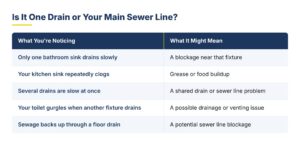
These clues can’t confirm exactly what’s wrong, but they can help you recognize when the issue may extend beyond an ordinary household clog.
If wastewater is backing up into your home, stop using the affected plumbing fixtures and arrange professional service promptly. Continuing to run water can make the backup worse and increase the risk of property damage.
Is Drain Snaking Enough to Fix a Recurring Clog?
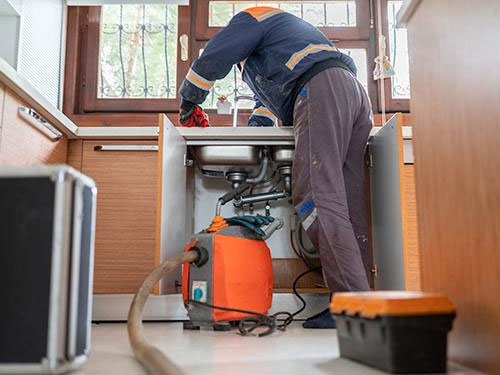
Drain snaking can be effective for many common blockages. A plumber uses a flexible cable with a specialized attachment to reach obstructions inside the pipe and break through or remove them.
However, the results depend on what’s causing the blockage. While snaking may clear hair, debris, and certain obstructions, it doesn’t always remove heavy buildup coating the pipe’s interior.
If your drain keeps clogging because grease or sludge has narrowed the pipe, a more thorough cleaning method may be worth considering.
When Hydro Jetting May Be a Better Option
Hydro jetting uses high-pressure water to remove grease, sludge, and other debris from inside plumbing pipes. Rather than primarily creating an opening through a blockage, it can clean buildup from the pipe walls.
This makes hydro jetting useful for certain recurring clogs caused by accumulated residue. However, it isn’t appropriate for every plumbing system, particularly when pipes are damaged or in poor condition.
Z PLUMBERZ of Oakland County offers professional drain cleaning services, including hydro jetting. We can assess your drainage problem and help determine which cleaning method is appropriate for your plumbing.
When Is a Sewer Camera Inspection Worth It?
If you’ve had the same drain cleaned several times without lasting results, it may be time to look more closely at what’s happening inside your pipes.
A sewer camera inspection allows a plumber to examine accessible drain and sewer lines using a small, specialized camera. This can provide a clearer picture of the pipe’s condition without immediately digging up the yard or opening walls.
A camera inspection may reveal:
- Tree roots growing into the pipe
- Cracked or damaged pipe sections
- Heavy buildup restricting water flow
- Separated or misaligned pipe joints
- Standing water that suggests poor drainage
These findings can help determine whether additional cleaning is appropriate or whether the pipe needs further evaluation for repair.
For example, if a camera reveals a damaged sewer pipe joint, continuing to clear the same blockage may not provide lasting results. Identifying the damaged section allows a plumber to recommend a more targeted solution.
What Can You Do to Prevent Drains From Clogging Again?
You can’t prevent every plumbing problem, especially when aging pipes or underground damage are involved. However, being mindful of what enters your drains can reduce the amount of debris collecting inside your plumbing.
Small changes to your everyday habits can make a difference, particularly in kitchens and bathrooms where buildup is common.
A few practical habits can help protect your drains:
- Scrape food scraps into the trash before washing dishes.
- Collect cooking grease instead of pouring it down the sink.
- Use drain screens to catch hair in showers and tubs.
- Flush only human waste and toilet paper.
- Clean accessible drain stoppers regularly.
It’s also best to avoid repeatedly using chemical drain cleaners to manage stubborn blockages. These products may not reach the source of the problem and can create safety concerns, especially if chemicals remain in a backed-up drain when a plumber arrives.
Know When It’s More Than an Everyday Clog
An occasional slow drain isn’t unusual, but a drain that needs cleaning every few weeks deserves a closer look. Pay attention to how quickly the blockage returns and whether you’ve noticed problems with other fixtures.
If you’ve already changed your habits and the same drain continues to clog, repeating the same temporary fix may not be worthwhile. A professional evaluation can help determine whether you need a different cleaning approach or further inspection of your plumbing.
Stop Recurring Drain Clogs With Professional Drain Cleaning in Oakland County, MI
Dealing with the same clogged drain again and again can be exhausting, especially when you thought the problem had already been fixed. Whether the cause is stubborn buildup, tree roots, or damaged pipes, understanding what’s happening inside your plumbing is the first step toward finding the right solution.
Z PLUMBERZ of Oakland County provides drain cleaning, drain maintenance, sewer inspections, and repair services for local homeowners. We can help investigate recurring drainage problems and explain the available options based on your plumbing’s condition.
Tired of dealing with the same clog? Contact Z PLUMBERZ of Oakland County to schedule professional drain service and find out what’s causing your recurring drain problems.
Expert Tips
7 Warning Signs Your Water Heater Needs Repair or Replacement
Knowing what to look for can help you catch problems early, avoid unexpected breakdowns, and determine when it’s time for…
Sustainable Plumbing Solutions in Oakland County
Across Oakland County, Michigan, homeowners are finding new ways to make their homes more energy-efficient and environmentally friendly.
Why Professional Drain Cleaning Beats DIY Every Time
Clogged drains are one of the most common plumbing frustrations, and they always seem to happen at the worst possible…