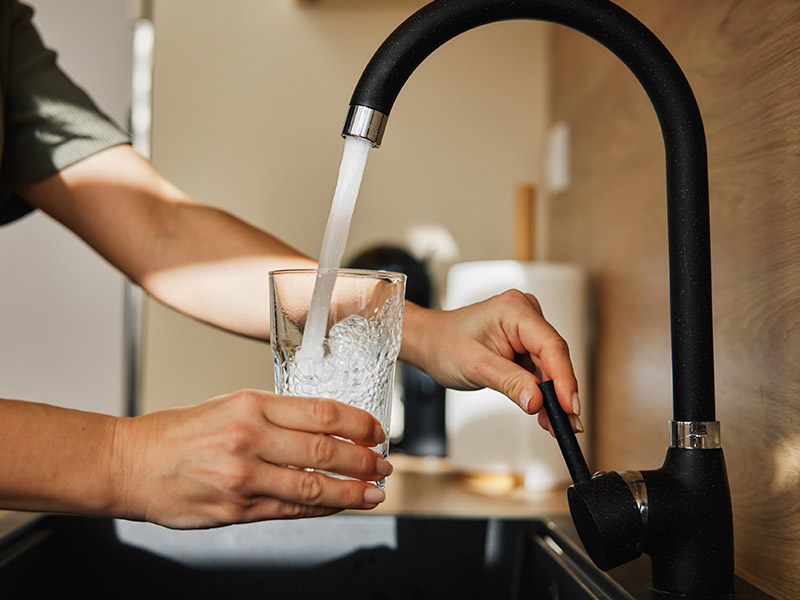
Kitchen Sink Keeps Backing Up? Common Causes and How to Stop It for Good
Book today with Z PLUMBERZ of South Charlotte.
A kitchen sink that keeps backing up can turn an ordinary meal or cleanup into a frustrating plumbing problem. You clear the standing water, get the drain moving again, and assume the issue is solved. Then a few days or weeks later, the sink starts draining slowly or fills with dirty water all over again.
When a kitchen drain repeatedly backs up, there’s usually a reason the problem isn’t going away. Understanding what’s building up inside the drain, how your kitchen habits affect it, and when professional drain cleaning is needed can help you move beyond short-term fixes and get your sink flowing properly again.
Why Your Kitchen Sink Keeps Backing Up
Your kitchen drain handles more than water. Every time you rinse a plate, wash a pan, run the garbage disposal, or clean up after cooking, small amounts of grease, food, and other debris can enter the drain.
Some of that material passes through without causing trouble. Other substances can stick to the inside of the pipe, collect more debris, and gradually narrow the path available for wastewater. Eventually, water can’t move through the drain as quickly as it should.
That’s why a kitchen sink backup can seem to appear suddenly even though the blockage has been developing for quite some time. You may first notice that the sink takes a little longer to empty before it progresses to standing water or a complete clog.
If the problem returns after you’ve already cleared the sink once, the blockage may never have been fully removed. The location and type of buildup will determine what it takes to correct it.
1. Grease and Cooking Oil Can Build Up Inside the Drain
Grease is one of the biggest troublemakers in a kitchen drain because it doesn’t necessarily stay in the same form after you pour it down the sink. Hot grease may enter the drain as a liquid, but it can cool as it travels through the plumbing.
As greasy residue collects along the inside of the pipe, other material can stick to it. Small food particles and debris that might otherwise move through the drain can become caught in that buildup, gradually making the opening smaller.
This can happen even if you regularly run hot water after cooking. Once enough material has accumulated inside the pipe, simply flushing the sink with water may not be enough to remove it.
Keep Grease Out of Your Kitchen Drain
The most effective way to deal with grease-related clogs is to prevent as much grease as possible from entering your plumbing in the first place.
You can reduce grease buildup by:
- Allowing cooking grease to cool and disposing of it in the trash
- Wiping oily pans with a paper towel before washing them
- Scraping greasy food residue from plates before rinsing
- Keeping fats, oils, and greasy sauces out of the sink
- Avoiding the assumption that hot water will make grease safe for your drain
These habits won’t remove an existing obstruction, but they can help reduce the amount of new buildup entering the pipe after your drain has been cleaned.
Grease is only part of the equation, though. What goes down the sink along with it can make a developing clog much worse.
2. Food Scraps Can Collect in Your Kitchen Drain
Small pieces of food may seem harmless, especially when they disappear through the drain opening. However, your kitchen plumbing isn’t designed to act like a trash can.
Food particles can become caught in existing grease or debris inside the drain. As more material collects, water has less room to move, and you may start noticing slower drainage after washing dishes or filling the sink.
Certain food waste can also be difficult for the drain to handle in larger amounts, even when you have a garbage disposal. The disposal changes the size of food waste, but that material still has to travel through your drain pipes after it leaves the unit.
Use Your Garbage Disposal With the Drain in Mind
A garbage disposal can make kitchen cleanup more convenient, but it doesn’t eliminate the possibility of a clogged drain. If too much food waste enters the plumbing at once, or if other buildup is already restricting the pipe, your sink can still back up.
Instead of relying on the disposal for everything left on your plates, remove as much solid food as you reasonably can before washing dishes. A sink strainer can also catch scraps before they enter the drain.
If your garbage disposal runs but the sink still won’t drain normally, the problem may be located beyond the disposal itself. At that point, repeatedly running the unit won’t necessarily clear what’s blocking the drain line.
3. The Clog May Be Farther Down the Drain Line
When water sits in the kitchen sink, it’s easy to assume the clog is directly beneath the drain opening. Sometimes it is, but a blockage can also develop farther along the branch line carrying wastewater away from your kitchen.
The location of the obstruction matters because a clog deeper in the line may be difficult to reach with basic at-home methods. You might get enough movement to make the sink drain temporarily without actually removing the buildup responsible for the problem.
That can create a frustrating cycle. The sink works normally for a short period, begins slowing again, and eventually backs up just as it did before.
Some signs that you may be dealing with more than a small obstruction near the drain include:
- The sink becomes slow again soon after you clear it
- Both sides of a double sink have drainage problems
- Water rises back into the sink after it begins draining
- The backup occurs even when there’s no visible debris near the opening
- The sink repeatedly needs attention to keep water moving
Recurring symptoms are a good reason to stop treating each backup as an isolated event. Finding where the obstruction is located can lead to a much more effective solution.
4. Buildup Inside the Pipe May Not Be Fully Removed
Getting water to disappear from the sink and thoroughly cleaning the drain aren’t always the same thing.
A partial opening through a clog may allow water to move again, which can make it seem as though you’ve solved the problem. However, material can remain attached to the inside of the pipe. That remaining buildup gives new grease and food debris somewhere to collect, making another blockage easier to form.
This is one reason a sink that has been cleared several times may continue to give you trouble. You may be restoring some drainage without addressing the condition inside the line.
Professional Drain Cleaning Goes Beyond Restoring Flow
When we address a stubborn kitchen drain, the goal isn’t simply to make the standing water disappear. We want to understand what’s interfering with normal drainage and determine the appropriate way to clear it.
Z PLUMBERZ of South Charlotte offers professional drain cleaning for slow-moving and clogged drains. Our team has access to drain inspection equipment and water jetting tools that can be used when appropriate for the condition of the line.
A camera inspection can also help us investigate where a stubborn blockage is located instead of relying on guesswork. Once we have a better understanding of what’s happening inside the drain, we can recommend the next step based on the actual problem.
5. The Backup May Be Connected to a Larger Drain Problem
Not every kitchen sink backup starts and ends in the kitchen. Sometimes what looks like a clogged sink is one symptom of an obstruction elsewhere in your drainage system.
Pay attention to what happens at other fixtures when your kitchen sink acts up. If multiple drains are slow, water appears in another fixture unexpectedly, or you’re hearing unusual gurgling from nearby drains, the problem may extend beyond one kitchen branch line.
That difference is important because cleaning only the kitchen drain won’t resolve an obstruction located deeper within the system.
Look at the Pattern, Not Just the Sink
A single slow kitchen sink often points toward a localized issue, while problems affecting several fixtures can indicate that a plumber needs to investigate a broader section of your drainage system.
You should pay closer attention if:
- More than one drain is slowing down
- Water backs up into another fixture
- Nearby drains begin gurgling when you use the sink
- The kitchen problem returns soon after being cleared
- Drainage throughout the home seems to be getting progressively worse
Z PLUMBERZ of South Charlotte uses camera equipment and other professional tools to investigate drain problems and determine whether an obstruction is limited to one drain or involves more of the plumbing system.
Getting that distinction right matters because it allows the actual source of the problem to be addressed rather than repeatedly treating the most visible symptom.
Why Quick Fixes May Not Stop a Kitchen Sink From Backing Up Again
When your sink is full of dirty water, your immediate priority is understandably getting it to drain. The problem is that a short-term improvement can create false confidence if buildup remains inside the pipe.
For example, you may clear enough material to create a narrow passage through the obstruction. Water begins flowing, so everything appears normal again. As you continue cooking and washing dishes, grease and food debris can collect around the remaining buildup, and the passage starts narrowing once more.
If you’ve cleared the same kitchen drain more than once, it’s worth shifting your focus from reopening the drain to figuring out why the blockage keeps returning.
Recurring Backups Call for a Different Approach
A professional plumber can evaluate the drain more completely and determine whether it needs cleaning or whether another plumbing issue is contributing to the backup.
That’s particularly useful when you can’t tell how far down the line the problem is located. Z PLUMBERZ of South Charlotte provides drain cleaning and maintenance services and uses video cameras and water jetting equipment when appropriate to investigate and address drain issues.
The goal is to correct the underlying drainage problem so you’re not dealing with the same backup every few weeks.
How to Help Prevent Future Kitchen Sink Backups
Once your kitchen drain is moving properly again, a few changes in how you use the sink can help reduce the amount of material entering the line.
Focus on what you can control before waste reaches the drain:
- Scrape plates and cookware before rinsing them
- Dispose of cooking oils and grease in the trash
- Use a sink strainer to catch food scraps
- Avoid treating the garbage disposal like a food waste bin
- Pay attention when the sink begins draining more slowly than usual
- Address recurring drainage problems instead of repeatedly working around them
These habits can’t prevent every plumbing problem, but they can reduce the everyday debris that contributes to kitchen drain buildup.
You’ll also want to notice changes early. A sink that suddenly takes longer to empty is giving you useful information before it becomes completely unusable. Addressing the issue at that stage is much easier than discovering the problem when the sink is already full of wastewater.
When Should You Call a Plumber for a Backed-Up Kitchen Sink?
You don’t necessarily need professional drain service every time water drains a little slowly. However, certain patterns suggest the problem has moved beyond a minor inconvenience.
Consider scheduling professional drain service when your kitchen sink repeatedly backs up, stops draining completely, or continues slowing down despite your efforts to keep debris out of the drain. You should also call when several fixtures are having drainage problems or when you suspect the obstruction is located deeper in the plumbing.
A professional assessment is particularly valuable after repeated clogs. Instead of continuing to address the same symptom, you can find out what’s happening inside the drain and whether cleaning, inspection, repair, or another service is appropriate.
Z PLUMBERZ of South Charlotte provides drain cleaning, drain maintenance, and repair services for residential plumbing systems. Our drain service includes tools for investigating stubborn clogs and options such as water jetting when the situation calls for it.
What Professional Kitchen Drain Cleaning Can Accomplish
Professional drain cleaning is intended to restore proper drainage by addressing the material interfering with water flow. The exact method depends on what’s causing the blockage, where it’s located, and the condition of the plumbing.
That’s why diagnosis matters. A kitchen drain clogged with accumulated grease and debris may call for a different approach than a drainage problem caused by damaged plumbing or an obstruction farther along the system.
Our plumbers can investigate stubborn drain problems using professional equipment rather than assuming every backup has the same cause. If water jetting is appropriate, the equipment can be used to target debris, sediment, and buildup within the drain system.
Professional service also gives you a chance to discuss what may have contributed to the problem. Knowing whether grease, food debris, a deeper obstruction, or another issue is involved can help you make better decisions about preventing another kitchen sink backup.
Stop Repeating the Same Kitchen Sink Backup With Z PLUMBERZ
A kitchen sink that backs up once is inconvenient. A sink that keeps backing up is telling you there’s a problem that hasn’t been fully resolved. Instead of repeatedly dealing with standing water and temporary improvements, you can take a closer look at what’s happening inside the drain and address the source.
Our team at Z PLUMBERZ of South Charlotte provides professional drain cleaning and drain services for stubborn kitchen clogs and other drainage problems. We can identify what’s causing the backup, explain your options clearly, and recommend the right drain cleaning or plumbing solution for your home.
If your kitchen sink keeps backing up, contact Z PLUMBERZ of South Charlotte today to schedule professional drain service and get your kitchen drain flowing properly again.
Expert Tips
How to Choose the Best Plumber Near You in South Charlotte
Choosing a plumber in South Charlotte becomes easier when you know what to compare. The right company should make it…
Can Hard Water Shorten the Life of Your Water Heater?
If your home has hard water, minerals can slowly collect inside you water heater and affect how efficiently it heats…
5 Water Quality Problems a Filtration System Can Help Solve
Knowing what to look for can help you make a more informed decision about your water and determine when professional…