Warning Signs You Need Professional Toilet Repair in Your South Charlotte Home
Book today with Z PLUMBERZ of South Charlotte.
Your toilet is one of the most frequently used fixtures in your home, yet it rarely gets attention until something goes wrong. In South Charlotte, where homes range from established neighborhoods like Ballantyne and Piper Glen to newer developments throughout Mecklenburg County, plumbing systems vary in age and condition. That means toilet problems can show up differently depending on your home’s setup.
What many homeowners don’t realize is that toilet issues often start subtly. A minor sound, a slight wobble, or an occasional clog may not seem urgent at first. But left unaddressed, these small warning signs can turn into water damage, hidden leaks, mold growth, or costly plumbing repairs.
Recognizing the early indicators of trouble can help you protect your home and avoid unnecessary stress.
Constant Running Water
If you hear your toilet refilling long after you’ve flushed, or it seems to run randomly throughout the day, something inside the tank isn’t sealing properly. Even a slow, steady trickle can waste hundreds of gallons of water each month.
In South Charlotte, where utility costs continue to rise, a running toilet can noticeably increase your water bill. The issue is often tied to worn internal components such as the flapper, fill valve, or float assembly. While it may seem like a simple fix, improper adjustments can cause inconsistent water levels or additional wear. Professional repair ensures the correct parts are installed and calibrated properly, restoring efficient operation and preventing unnecessary water waste.
Weak or Inconsistent Flush Performance
A toilet that struggles to clear the bowl in one flush is more than a nuisance. Weak flushing typically indicates restricted water flow, partial clogs, or internal buildup affecting performance.
Charlotte’s water supply contains minerals that can gradually accumulate inside rim jets and siphon openings. Over time, this buildup narrows water pathways and reduces flushing power. In other cases, the issue may stem from developing drain obstructions deeper in the line.
Repeated plunging may offer temporary relief, but it doesn’t resolve underlying causes. A professional plumber can inspect both the fixture and the drain line to restore full flushing strength without risking pipe damage from harsh chemical cleaners.
Water Around the Base of the Toilet
Moisture pooling near the base of your toilet should never be ignored. Even small amounts of water can signal a failing wax ring seal, loose mounting bolts, or a compromised flange beneath the floor.
As homes in South Charlotte settle over time—especially in areas with expanding clay soil—minor shifts can affect how securely a toilet sits on the floor. When the seal weakens, water can leak with every flush, gradually soaking into subflooring and creating hidden structural damage.
Left unresolved, this moisture can lead to mold growth, wood rot, and unpleasant odors. A professional repair involves removing the toilet, inspecting the flange, replacing the seal, and reinstalling the fixture securely to prevent recurring leaks.
Frequent Clogs That Keep Coming Back
Every household deals with an occasional clog. However, if you find yourself reaching for the plunger regularly, there may be a deeper issue within your plumbing system.
Recurring blockages are often caused by:
- Partial obstructions inside the drain line
- Tree root intrusion in underground sewer pipes
- Improper venting that disrupts drainage
- Buildup narrowing older plumbing lines
In established South Charlotte neighborhoods with mature landscaping, root intrusion is especially common. Because roots naturally seek moisture, even a small crack in a sewer pipe can invite growth that gradually restricts flow.
A licensed plumber can evaluate whether the problem is isolated to the toilet or connected to the home’s main drain line. Identifying the true source prevents repeat clogs and protects your plumbing system long-term.
Cracks in the Porcelain
Toilets are built from durable porcelain, but they aren’t immune to damage. Hairline cracks in the tank or bowl may start small and go unnoticed. Over time, these cracks can expand due to pressure changes or temperature fluctuations.
Signs of structural cracking include visible lines in the porcelain, unexplained water on the floor, or dampness forming along the exterior of the bowl. While minor cosmetic imperfections may not require action, deeper cracks typically mean replacement is the safest option.
Attempting to patch a cracked toilet rarely provides a lasting solution. A professional plumber can determine whether repair is possible or if installing a new, water-efficient toilet is the better long-term investment.
Unusual Sounds After Flushing
A properly functioning toilet should operate quietly and efficiently. If you begin hearing hissing, gurgling, whistling, or vibrating noises, your plumbing system may be signaling a problem.
These sounds may indicate:
- A failing fill valve
- Partial blockages in the drain line
- Venting issues within the plumbing system
- Fluctuating water pressure
Because these noises can originate from multiple components, accurate diagnosis is essential. Addressing unusual sounds early helps prevent more serious plumbing complications and ensures your system continues to operate safely.
Unexpected Increases in Your Water Bill
A silent leak inside the toilet tank can waste water without obvious signs. If your monthly water bill suddenly increases and household usage hasn’t changed, your toilet may be the source.
Hidden tank leaks are commonly caused by:
- Worn or deteriorated flapper seals
- Malfunctioning fill valves
- Misaligned float assemblies
- Mineral buildup is preventing proper sealing
Since these leaks often make little to no sound, they can continue for months unnoticed. Professional inspection quickly identifies failing components and restores proper sealing, preventing ongoing water waste.
Why Professional Toilet Repair Is Worth It
Although many toilet components appear simple, the system relies on precise alignment and water pressure balance. Tightening bolts incorrectly, installing mismatched parts, or overlooking hidden damage can create bigger issues than the original problem.
Professional plumbers understand how the internal mechanisms work together. They can determine whether the issue is limited to the fixture or connected to broader plumbing concerns within the home. Proper repair protects your flooring, conserves water, and ensures long-term reliability.
Reliable Toilet Repair from Z PLUMBERZ of South Charlotte
When your toilet starts showing signs of trouble, addressing the issue early can prevent water damage, higher utility bills, and unnecessary stress. Professional diagnosis ensures the real cause is identified and corrected—rather than temporarily patched.
At Z PLUMBERZ of South Charlotte, our licensed plumbers provide thorough inspections, clear explanations, and dependable repairs tailored to local homes and plumbing systems. Whether you’re dealing with persistent clogs, hidden leaks, weak flushing, or unusual noises, we deliver solutions designed for long-term reliability.
If your toilet isn’t performing the way it should, schedule service today and restore confidence in your home’s plumbing system.
Expert Tips
How to Tell If Your Drains Are Starting to Clog and What to Do Next
In South Charlotte, busy households rely on their plumbing systems every day, but most homeowners don’t think about their drains…
Sump Pump Basics for South Charlotte Homeowners
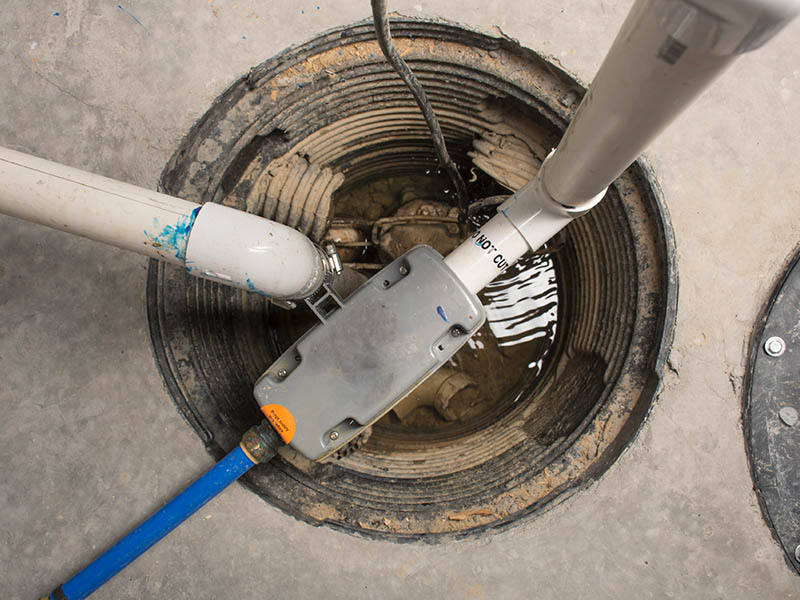
A sump pump doesn’t prevent water from reaching the ground around your home, but it does give that water somewhere…
Why Upgrading Old Plumbing Fixtures Makes Sense for South Charlotte Homes
Updating aging plumbing fixtures is one of the most practical upgrades you can make as a homeowner.