Why Is My Water Heater Not Producing Enough Hot Water? Common Causes and Solutions
Book today with Z PLUMBERZ of South Charlotte.
Nothing disrupts your morning quite like running out of hot water halfway through a shower. Whether your water turns cold too quickly or never gets hot enough, an unreliable water heater can make everyday tasks frustrating.
If your water heater isn’t producing enough hot water, the problem could involve sediment buildup, faulty components, excessive demand, or an aging system. Some issues have simple solutions, while others require professional water heater repair.
Knowing what to look for can help you narrow down the problem and decide when to call a plumber. Here’s what could be affecting your South Charlotte home’s hot water supply.
Your Water Heater Isn’t Large Enough for Your Household
If you’re constantly running out of hot water, your water heater might not have enough capacity to meet your household’s needs.
Traditional tank water heaters store a limited amount of heated water. Once that supply runs low, the system needs time to heat more. If several people shower back-to-back or multiple appliances run simultaneously, your tank can empty faster than it recovers.
Signs Your Water Heater Is Undersized
An undersized water heater typically performs well during periods of low demand but struggles when several fixtures need hot water. This becomes especially noticeable when your household’s water usage increases.
Common indicators include:
- Hot water running out during consecutive showers.
- Appliances affecting your shower temperature.
- Hot water shortages during busy mornings.
- Adequate hot water when only one fixture is running.
Try spacing out showers, laundry, and dishwashing to reduce demand. If the problem continues, a plumber can determine whether a larger tank would better accommodate your household.
Sediment Buildup Is Affecting Your Water Heater’s Performance
Over time, minerals naturally present in your water can settle at the bottom of your water heater tank. This sediment buildup can interfere with heating and reduce efficiency.
In gas water heaters, sediment can create a barrier between the burner and the water. In electric models, mineral deposits can accumulate around heating elements, affecting performance.
How to Recognize Sediment Buildup
Sediment accumulation often develops gradually, making early symptoms easy to overlook. Changes in your water heater’s sounds and heating performance can indicate that mineral deposits are becoming a problem.
Watch for these warning signs:
- Popping, rumbling, or crackling noises.
- Longer recovery times after hot water use.
- Inconsistent water temperatures.
- Higher energy bills without an obvious explanation.
Flushing your water heater can help remove sediment, but older tanks with significant buildup may require extra care. Professional water heater maintenance can determine whether flushing is appropriate and help limit future accumulation.
A Faulty Heating Element Is Reducing Your Hot Water Supply
If you have an electric water heater, a malfunctioning heating element could explain why you’re getting less hot water than usual.
Many electric tank water heaters use two heating elements. A failed lower element often causes hot water to run out unusually quickly, while problems with the upper element can result in little or no hot water.
What Should You Do About a Faulty Heating Element?
Start by checking whether your water heater’s circuit breaker has tripped. However, don’t repeatedly reset a breaker that continues tripping, as this may indicate an electrical problem.
Testing or replacing heating elements involves electrical components and should be handled by a qualified professional. A plumber can inspect the heating elements and related controls to identify the failure.
A faulty heating element doesn’t always require replacing your entire water heater. If the tank is otherwise in good condition, replacing the damaged component may restore normal operation.
Your Water Heater Thermostat Isn’t Working Correctly
Your water heater’s thermostat controls the water temperature. If it’s set too low or malfunctioning, your water may never reach a comfortable temperature.
For many households, a setting around 120°F provides a reasonable balance between comfort, energy efficiency, and scald prevention. However, appropriate settings depend on your equipment and household needs.
How to Check Your Temperature Settings
Review your water heater’s accessible temperature controls according to the manufacturer’s instructions. If the setting is unusually low, that may explain why you’re getting lukewarm water.
Avoid raising the temperature excessively to compensate for poor heating performance. Higher temperatures increase scalding risks, particularly for children and older adults.
If your settings appear correct but your water still isn’t heating properly, the thermostat or another heating component may need professional attention.
Your Water Heater Is Approaching the End of Its Lifespan
Even a well-maintained water heater won’t last forever. Traditional storage-tank water heaters often last approximately 8 to 12 years, depending on maintenance, water quality, and usage.
As your system ages, components can deteriorate, corrosion may develop, and heating performance can become less reliable.
When Should You Consider Replacement?
An aging water heater doesn’t automatically require replacement. However, recurring problems may indicate that repairs are becoming less practical.
Warning signs include:
- Frequent repairs or breakdowns.
- Rust-colored hot water.
- Visible corrosion around the tank.
- Water leaking from the tank itself.
- Heating problems despite previous repairs.
Minor component failures may justify repairs, particularly when the tank remains in good condition. However, a leaking tank or repeated expensive breakdowns often make replacement the better long-term option.
Our plumbers can evaluate your system’s condition and help you compare the costs and benefits of water heater repair versus replacement.
Your Tankless Water Heater Has a Performance Problem
Unlike traditional storage tanks, tankless water heaters heat water as it flows through the system. While they can provide continuous hot water, their performance depends on proper sizing, sufficient flow, and functioning components.
If your tankless water heater produces inconsistent temperatures, the issue may involve mineral buildup, restricted water flow, or a mechanical problem rather than an insufficient storage capacity.
Common Tankless Water Heater Problems
Tankless systems rely on precise operating conditions to heat water effectively. When internal components become restricted or malfunction, you may experience fluctuating temperatures or unexpected interruptions.
Possible causes include:
- Mineral scale inside the heat exchanger.
- A clogged water inlet filter.
- Faulty sensors or heating components.
- Insufficient flow to activate the system.
- Gas supply or electrical problems.
Check your unit’s display for error codes and note when temperature changes occur. If the system struggles when multiple fixtures run, it may also be undersized for your household’s peak demand.
Professional tankless water heater service can identify whether maintenance, repairs, or a capacity adjustment is needed.
A Plumbing Fixture Is Causing the Temperature Problem
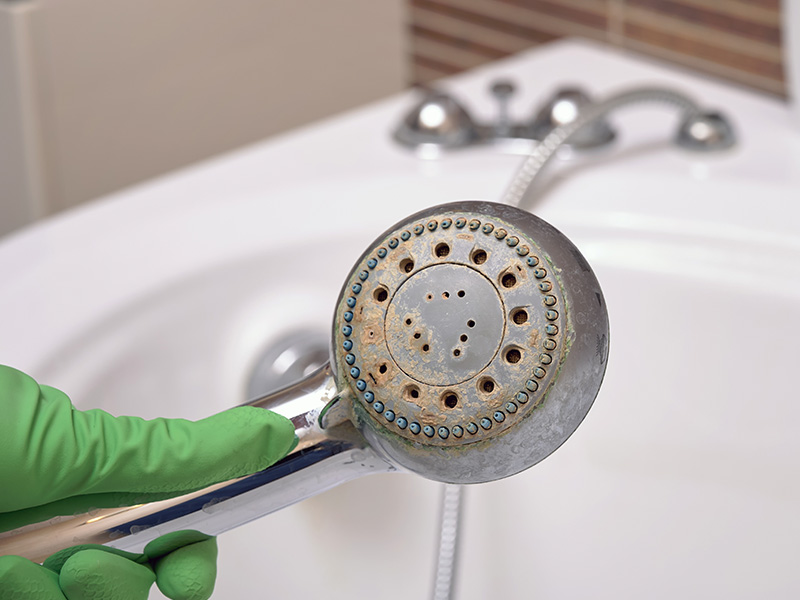
Sometimes, your water heater isn’t responsible for the lack of hot water. If only one faucet or shower produces lukewarm water, the issue could be within that fixture.
A worn shower cartridge, faulty mixing valve, or malfunctioning anti-scald device can affect how hot and cold water combine.
How to Identify a Fixture-Related Problem
Turn on the hot water at several fixtures throughout your home and compare the temperatures. This can help you determine whether the problem is isolated or affecting your plumbing system more broadly.
If your kitchen faucet produces consistently hot water but your shower remains lukewarm, the shower’s mixing valve or cartridge may need attention. However, if multiple fixtures experience the same problem, the cause may involve your water heater or a shared plumbing component.
A plumber can investigate these issues and recommend the appropriate repairs without replacing equipment that’s still working properly.
A Hidden Hot Water Leak Is Wasting Heated Water
A hidden plumbing leak can reduce the amount of hot water available in your home. When heated water escapes through a damaged pipe or connection, your water heater must continually replace the lost supply.
Depending on the leak’s size, you might experience shorter showers or increased utility bills.
Warning Signs of a Hot Water Leak
Not every plumbing leak creates an obvious puddle. Some develop behind walls, beneath flooring, or around concealed connections, making changes in your home’s water usage useful clues.
Potential warning signs include:
- Unexplained increases in utility bills.
- Damp flooring or unusual warm spots.
- Running water sounds when fixtures are off.
- Moisture around the water heater or pipes.
If you suspect a leak, don’t ignore it simply because your fixtures still work. Professional leak detection can help locate the problem before additional water damage occurs.
What to Check Before Calling a Water Heater Repair Professional
Before scheduling water heater repair, a few basic observations can help you describe the problem more clearly.
You don’t need to disassemble equipment or handle electrical components. Instead, focus on when the problem occurs and whether you’ve noticed any changes in your system’s behavior.
Start with these checks:
- Test several faucets. Identify which fixtures have insufficient hot water.
- Note when it happens. Does the problem occur after heavy use or throughout the day?
- Check accessible controls. Review settings and any displayed error codes.
- Inspect the surrounding area. Look for visible moisture or corrosion.
- Identify your equipment. Note its approximate age and model.
These details can help your plumber narrow down the possible causes and recommend the appropriate next steps.
If you smell gas, leave immediately and contact your gas utility or emergency services from a safe location. Never attempt to repair a suspected gas leak yourself.
How Regular Water Heater Maintenance Helps Prevent Problems
Routine maintenance helps keep your water heater operating reliably and reduces the likelihood of unexpected breakdowns.
Professional inspections can identify developing problems before they become serious. Depending on your equipment, maintenance may include checking connections, evaluating heating components, inspecting safety devices, and assessing the need for flushing or descaling.
How Often Should You Schedule Maintenance?
An annual professional inspection is a helpful starting point for many homeowners. However, your ideal schedule depends on the manufacturer’s recommendations, water conditions, equipment type, and household usage.
Regular maintenance won’t prevent every failure, but it can help improve efficiency, reduce unnecessary wear, and extend your water heater’s useful life.
When Should You Call a Professional for Water Heater Repair?
Some hot water shortages are temporary, particularly after heavy water usage. However, recurring problems often indicate that your system needs attention.
If your water heater consistently produces lukewarm water, runs out too quickly, makes unusual noises, or shows signs of leaking, professional service can help identify the cause.
Z PLUMBERZ provides water heater repair, maintenance, installation, and replacement services. Our plumbers can diagnose problems with traditional tank and tankless systems and recommend solutions based on your equipment’s condition.
We’ll explain your options so you can make an informed decision about your home’s hot water system.
Get Reliable Hot Water Again With Z PLUMBERZ
You shouldn’t have to plan your day around an unreliable hot water supply. Whether your water heater needs a minor repair, routine maintenance, or replacement, getting the right diagnosis can help you avoid unnecessary expenses and recurring problems.
Our team at Z PLUMBERZ is here to help you restore dependable hot water. We’ll assess your system, explain your options, and recommend a practical solution that fits your home’s needs.
Tired of running out of hot water? Contact Z PLUMBERZ today to schedule professional water heater service.
Expert Tips
7 Signs of a Hidden Water Leak in Your South Charlotte Home
Unlike a dripping faucet or visibly leaking pipe, hidden plumbing leaks don’t always make themselves obvious. Instead, they often leave…
How to Choose the Best Plumber Near You in South Charlotte
Choosing a plumber in South Charlotte becomes easier when you know what to compare. The right company should make it…
Can Hard Water Shorten the Life of Your Water Heater?
If your home has hard water, minerals can slowly collect inside you water heater and affect how efficiently it heats…