Sewer Pipe Lining: Is Your Damaged Pipe a Good Candidate for Trenchless Repair?
Book today with Z PLUMBERZ of Southwest Denver.
A damaged sewer line doesn’t always mean your yard has to be dug up for repair. In many cases, sewer pipe lining can restore a failing line from the inside, which can reduce excavation and limit disruption around your property.
Still, trenchless sewer repair isn’t right for every damaged pipe. The condition, shape, slope, and accessibility of your sewer line all matter. Before choosing a repair method, you need to know what’s happening underground. Knowing what makes a pipe suitable for lining can help you make a confident repair decision.
What Is Sewer Pipe Lining?
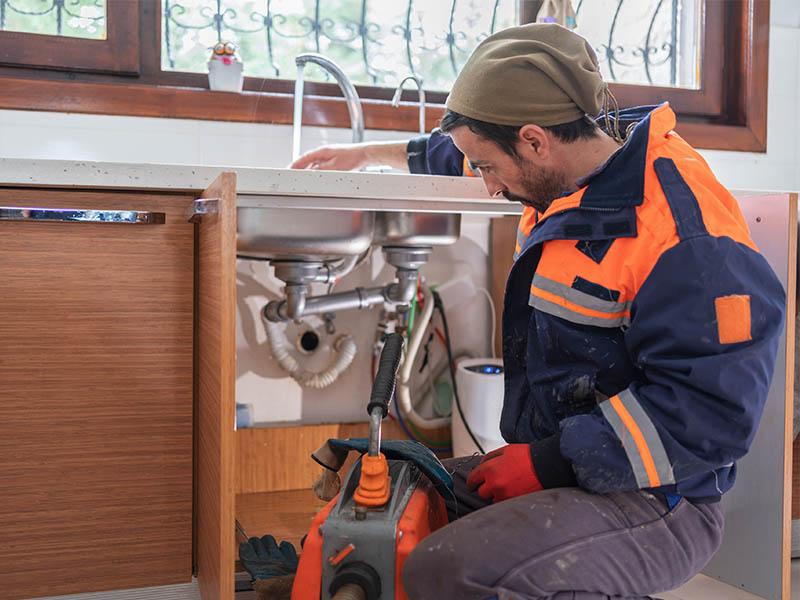
Sewer pipe lining is a trenchless repair method that creates a new pipe-like surface inside an existing sewer line. Instead of excavating the full length of damaged pipe, a plumbing professional accesses the line through an available or limited access point, prepares the pipe, and installs a liner inside the old line.
One common method is cured-in-place pipe lining, or CIPP. A resin-saturated liner is positioned inside the sewer pipe, expanded against the interior walls, and allowed to cure. Once hardened, it forms a continuous inner layer that can bridge many cracks and seal leaking joints.
Because the original line stays in the ground, sewer pipe lining can reduce the digging needed around landscaping, patios, walkways, and driveways. However, the existing pipe still needs to provide a usable path and enough structural shape for the liner to be installed correctly.
Signs Your Sewer Line May Need More Than Drain Cleaning
A slow drain doesn’t always mean you have a damaged sewer pipe. Many clogs come from buildup or a localized blockage. When problems keep returning, affect several fixtures, or appear with other warning signs, the issue may be deeper in the sewer system.
You should consider having the main sewer line evaluated if you notice:
- Recurring backups after previous drain cleaning
- Several drains gurgling or draining slowly
- Sewage odors around drains or near the sewer line
- Water backing up into a tub, shower, or floor drain
- Tree roots repeatedly entering the same section of pipe
- Cracks, corrosion, separated joints, or offsets on a prior inspection
These signs don’t prove that sewer pipe lining is necessary. They do suggest you should identify the pipe’s condition instead of repeatedly treating the symptom.
A Sewer Camera Inspection Helps Determine Whether Lining Makes Sense
Once you’ve ruled out a simple clog, you can’t reliably choose between sewer pipe lining, pipe replacement, or another repair based on symptoms alone. A sewer camera inspection gives your plumber a view inside the line and helps identify the damage.
What the Inspection Can Reveal
The inspection may show cracks, root intrusion, corrosion, deteriorated joints, standing water, severe offsets, or collapsed sections. Scale, grease, roots, or debris can hide defects, so cleaning may be needed before a final recommendation.
Once the line is clear, your plumber can evaluate the exposed pipe more accurately. That helps determine whether lining or another repair makes more sense.
What Makes a Sewer Pipe a Good Candidate for Lining?
After the line is inspected, several conditions can support trenchless pipe lining. Your plumber still needs to evaluate the entire repair area.
The Pipe Still Has a Usable Shape
Sewer pipe lining works inside the existing line, so there needs to be a continuous pathway for the liner to follow. Cracks, small gaps, leaking joints, and some forms of deterioration may be repairable if the pipe hasn’t lost its basic shape.
A completely crushed or collapsed pipe is different. If there’s no usable channel through the damaged section, a liner can’t recreate the missing alignment from inside the pipe.
The Line Hasn’t Shifted Severely
Minor joint movement may be manageable in some cases, but major offsets can obstruct the pipe or prevent a liner from forming properly. Significant misalignment can also indicate that the surrounding soil or pipe bedding has moved.
If the pipe needs repositioning, sealing the interior won’t correct the alignment. The pipe itself must be addressed.
The Sewer Line Still Has Proper Slope
Wastewater depends on gravity to move through much of a residential sewer line. If a section has settled and formed a belly, water and solids can collect in that low area.
Pipe lining follows the route of the existing pipe. It doesn’t lift a sunken section or rebuild the soil beneath it. If poor slope is the main problem, excavation and repositioning may be required.
The Pipe Can Be Cleaned and Accessed
The pipe generally needs to be thoroughly cleaned before lining so the new material can make consistent contact with the interior surface. The damaged section also has to be reachable with the equipment used for the project.
Cleanouts, bends, branch connections, and pipe layout can affect whether trenchless sewer repair is practical. The location of the damage matters too.
When Sewer Pipe Lining May Not Be the Best Choice
Even when trenchless repair sounds appealing, reducing excavation shouldn’t be the only goal. The repair still needs to correct the defect.
Another repair method may be more appropriate when the sewer line has:
- A fully collapsed or crushed section
- Severe offsets that block the pipe
- A major belly or incorrect slope
- Major deformation or a missing pipe section
- Access limitations that block proper preparation or installation
In these situations, traditional excavation may provide access to replace, reposition, or support the failed section. Choosing the repair based on the pipe’s condition is more important than choosing the least invasive method by default.
Sewer Pipe Lining vs. Traditional Sewer Replacement
If both lining and replacement are possible, the main difference is how the damaged line is addressed. Lining rehabilitates the existing pipe from the inside, while traditional replacement exposes and removes some or all of the failed line before new pipe is installed.
Neither option is automatically better. The right choice depends on what needs to be corrected.
Lining Can Reduce Surface Disruption
If your sewer line runs beneath established landscaping or hardscaping, reducing excavation can be a major advantage. You may be able to avoid opening a continuous trench along the full pipe route.
That doesn’t mean trenchless sewer repair is always dig-free. Depending on access points and the condition of the line, limited excavation may still be needed.
Traditional Replacement Provides Direct Access
Excavation allows a plumber to reach the pipe and the soil around it. That can be necessary when the line needs to be repositioned, the slope needs correction, or sections are too collapsed for an internal repair.
The better value comes from matching the repair to the defect. A less disruptive option isn’t a better investment if it can’t address the reason your sewer line is failing.
Questions to Ask Before Approving Trenchless Sewer Repair
Once you understand the basic repair options, you don’t need to be a sewer expert to make a smart decision. You do need a clear explanation of what was found and why a particular repair is being recommended.
Before approving sewer pipe lining, ask questions such as:
- What did the sewer camera inspection show?
- Does the line still have proper slope?
- Will roots, scale, or debris need to be removed first?
- Are there any sections that can’t be lined?
- Will any excavation be required for access?
- What alternatives should I compare with lining?
- What does the proposed scope include?
The answers should connect the recommended repair to visible conditions inside your sewer line. That gives you a clearer basis for your decision.
Why the Right Diagnosis Matters More Than the Repair Method
You may start by asking, “Can my sewer pipe be lined?” A better question is, “What repair fits the condition of my sewer line?”
That keeps the diagnosis ahead of the technology. Sewer pipe lining can be a valuable option when the existing line is stable enough to rehabilitate, while a collapsed, settled, or significantly shifted pipe may require another repair method.
When you call Z PLUMBERZ of Southwest Denver, we focus on identifying the source of the sewer problem before you commit to a repair. We’ll explain what the inspection findings mean, how the condition of the line affects your options, and which next steps may make sense for your home.
Protect Your Home With the Right Sewer Repair Plan
Sewer pipe lining can be an effective trenchless repair option when your existing pipe still has a usable shape, proper alignment, adequate slope, and enough access for preparation and installation. The only reliable way to know whether your sewer line is a good candidate is to evaluate the damage instead of guessing from the symptoms.
Our team at Z PLUMBERZ of Southwest Denver can help you get to the root of a sewer problem and understand which repair approach makes sense for your home. If you’re dealing with recurring backups, suspected pipe damage, or questions about trenchless sewer repair, contact us today to schedule service and take the next step toward a more dependable sewer line.
Expert Tips
Why Is My Water Pressure Low? 5 Common Causes in Southwest Denver Homes
Low water pressure can slow down routine tasks like showering, washing dishes, and running appliances, but the cause isn’t always…
Hard Water in Southwest Denver: 5 Signs Your Home May Need a Water Softener
If mineral-related problems are becoming noticeable throughout your home, a water softener may be worth considering.
Common Causes of Recurring Drain Clogs and How to Solve Them
Recurring drain clogs often point to lingering buildup, improper materials going down the drain, or an obstruction deeper within the…