How Pipe Lining Can Extend the Life of Aging Pipes
Book today with Z PLUMBERZ of the Treasure Valley.
Aging pipes don’t always need to be completely removed and replaced. When certain pipes become worn or corroded but are still suitable for rehabilitation, pipe lining may provide another way to restore their interior and extend their usable life.
Pipe lining works inside the existing pipe, creating a new interior surface while leaving much of the original line in place. For homeowners in the Treasure Valley, understanding how this process works can make it easier to compare your options when older piping starts causing problems.
What Is Pipe Lining?
Pipe lining is a rehabilitation method that restores an existing pipe from the inside. Instead of removing the entire line, a plumber installs a liner and epoxy solution within the existing pipe to create a new interior structure.
Once the epoxy cures, the result is often described as a pipe within a pipe. The original line remains in place while the new interior provides a smooth pathway through the piping system.
Because the existing pipe provides the structure for the lining process, its condition matters. Pipe lining isn’t appropriate for every damaged line, so an inspection is necessary before deciding whether rehabilitation or another repair method makes more sense.
Z PLUMBERZ of the Treasure Valley offers pipe lining and coating as part of our professional pipe services. We evaluate the existing piping first so you can understand whether lining is a realistic option for your system.
How Does the Pipe Lining Process Work?
Pipe lining involves more than installing new material inside an old pipe. Proper inspection and preparation come first because the condition of the existing line affects whether the finished lining can perform as intended.
The Pipe Is Inspected
Before recommending lining, we need to understand what’s happening inside your pipe. Video camera technology allows the interior to be examined for deterioration, buildup, damage, and other conditions that may affect the repair.
The inspection also helps determine whether your existing pipe meets the requirements for lining. If the condition of the line makes rehabilitation unsuitable, another repair option may be recommended instead.
The Existing Pipe Is Cleaned
If the pipe qualifies for lining, the next step is preparing the interior. Debris, sediment, and buildup need to be removed before the new material is installed.
Z PLUMBERZ of the Treasure Valley uses pressurized water jetting during the preparation process for qualifying pipes. Thorough cleaning creates a better surface for the lining process and removes material that could otherwise interfere with installation.
The New Lining Is Installed
After cleaning, a liner and epoxy solution are installed inside the existing pipe. Once the epoxy cures, it creates a smooth new interior structure within the original line.
This approach allows the existing piping to remain in place when conditions make lining possible. As a result, you may be able to rehabilitate an aging line without the same level of removal associated with complete pipe replacement.
How Can Pipe Lining Help Aging Pipes?
Pipes can lose performance as their interior surfaces become worn or corroded. Over time, rough or deteriorated surfaces may contribute to recurring problems and make it harder for the system to function as intended.
Pipe lining creates a new interior surface within a qualifying pipe, allowing the original line to remain in service while addressing deterioration along its interior. For pipes that still meet the requirements for rehabilitation, this can provide an alternative to immediate full replacement.
Pipe lining may also reduce some of the disruption associated with traditional replacement. If a pipe runs beneath landscaping, pavement, or finished areas, working from inside the existing line can sometimes limit how much of the surrounding property needs to be disturbed.
What Types of Pipe Problems May Be Suitable for Lining?
Pipe lining is designed for pipes that can still support rehabilitation. It isn’t a universal solution for every plumbing problem, and the condition of the existing line needs to be evaluated first.
Depending on the results of an inspection, lining may be considered for pipes affected by:
- Interior corrosion
- Worn pipe surfaces
- Certain forms of deterioration
- Aging that hasn’t resulted in complete structural failure
The original pipe still needs to provide a suitable structure for the lining process. If the line is too severely damaged or otherwise unsuitable, another repair method may provide a better solution.
What Are the Signs Your Aging Pipes Need Attention?
Most piping is hidden from view, so changes in plumbing performance may be your first indication that something needs attention. These symptoms don’t automatically mean you need pipe lining, but they can give you a reason to have the system evaluated.
Recurring plumbing problems are one sign worth watching. If the same issue repeatedly comes back after being addressed, the condition of the pipe itself may deserve a closer look, especially in an older plumbing system.
Frequent repairs can also indicate that a section of piping is becoming less reliable. If you’re repeatedly fixing the same area, it may be worth comparing continued spot repairs with longer-term options such as lining, conventional repair, or replacement.
Visible corrosion or recurring leaks should also be evaluated. These signs can point to deterioration within the plumbing system, although they don’t automatically make a pipe a candidate for lining.
Pipe Lining vs. Traditional Pipe Replacement
Pipe lining and pipe replacement address aging or damaged piping in different ways. Lining rehabilitates an existing pipe from the inside, while traditional replacement removes the damaged line and installs new piping.
Replacement may be the better choice when the existing pipe can’t support rehabilitation or when its condition makes lining inappropriate. Pipe lining can make sense when the original line remains suitable for a new interior structure.
The practical differences include:
- Pipe lining keeps qualifying existing piping in place.
- Replacement removes the damaged pipe and installs a new line.
- Pipe lining may reduce excavation and property disruption.
- Replacement may be necessary when rehabilitation isn’t possible.
Neither option is automatically right for every property. The condition of your plumbing should guide the decision.
Why Is a Camera Inspection Important?
Many plumbing symptoms tell you that something is wrong without showing you exactly where or why the problem developed. A camera inspection helps provide a clearer view of what’s happening inside the pipe.
A camera can reveal interior conditions that aren’t visible from outside the plumbing system. That information helps your plumber identify deterioration, buildup, or damage and determine whether the problem calls for cleaning, repair, lining, or replacement.
This can also help you avoid unnecessary work. If the issue can be resolved with a simpler repair, you may not need pipe lining at all.
When Is Pipe Lining Not the Right Choice?
Pipe lining is useful when the existing pipe can still support rehabilitation, but it isn’t intended to solve every type of damage.
If an inspection shows that a pipe is too damaged or otherwise unsuitable for lining, repair or replacement may be the better approach. The appropriate solution depends on the condition of the line rather than a preference for one service.
Z PLUMBERZ of the Treasure Valley evaluates your piping before recommending a solution. Our team can help you understand the condition of your plumbing and choose an appropriate way to address the problem.
Extend the Life of Aging Pipes With Professional Pipe Lining
Aging pipes don’t always mean you’re facing immediate full replacement. When your existing piping is suitable for rehabilitation, pipe lining can create a new interior surface, restore qualifying worn pipes, and help you get more useful life from your plumbing system.
Z PLUMBERZ of the Treasure Valley provides professional pipe inspection, cleaning, lining, repair, and replacement services. If recurring pipe problems have you concerned about the condition of your plumbing, contact our team to schedule an evaluation and find out whether pipe lining is the right option for your home.
Expert Tips
Why Is My Toilet Running Constantly?
Some running toilet problems come down to a simple adjustment, while others involve worn parts that need to be replaced.…
Why Your Drain Keeps Clogging and What to Do About It
Recurring drain clogs can develop for several reasons, from buildup close to the drain opening to blockages deeper inside your…
Can Hard Water Damage Your Plumbing?
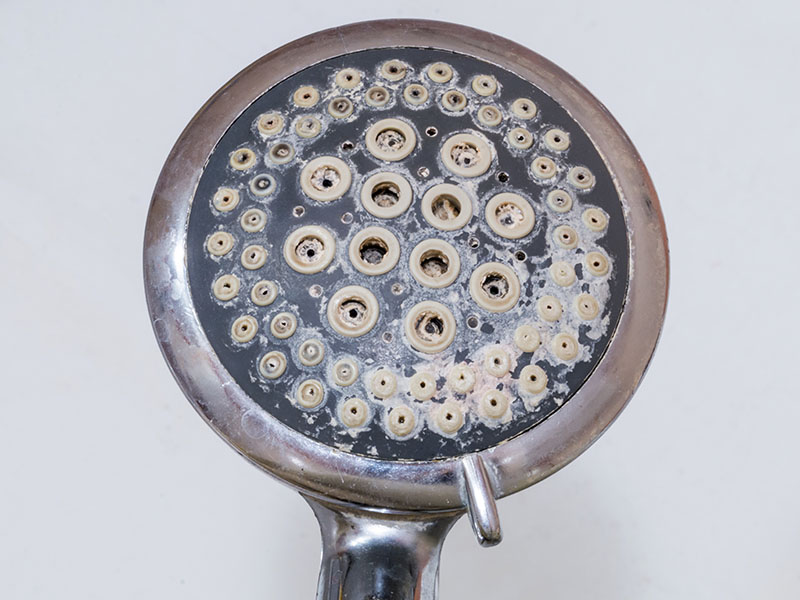
Understanding how hard water affects your plumbing can help you recognize problems early and decide whether water treatment is worth…