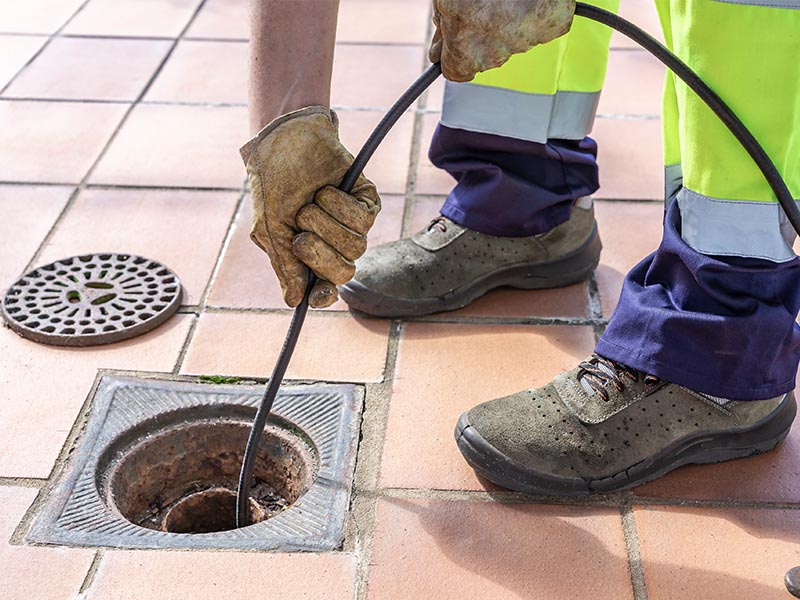
How to Winterize Your Plumbing and Prevent Frozen Pipes
Book today with Z PLUMBERZ of Southwest Denver.
Denver’s fall weather can be unpredictable. One afternoon might be warm enough to spend time outside, while the next morning brings freezing temperatures. Those sudden changes can catch homeowners off guard, especially when it comes to protecting their plumbing.
Winterizing your plumbing before temperatures drop can help prevent frozen pipes, unexpected leaks, and expensive water damage. While some precautions are simple enough to handle yourself, others may require a closer look at your home’s plumbing system. Preparing your pipes, outdoor fixtures, and water supply ahead of winter can help you avoid problems when colder weather arrives.
Why Plumbing Winterization Matters in Denver
Water expands as it freezes, which can create considerable pressure inside a pipe. As that pressure builds, the pipe may crack or burst, sometimes in an area you can’t easily see. A frozen pipe may initially prevent water from reaching a faucet, but once the ice thaws, water can escape through a crack and damage nearby walls, flooring, or belongings.
Denver’s climate makes early preparation particularly valuable. Fall and winter can bring substantial temperature changes within a relatively short period, and a stretch of mild weather doesn’t necessarily mean your plumbing is safe from the next hard freeze.
Your home’s construction and plumbing layout also affect its vulnerability. Pipes running through heated living spaces generally have more protection than those located near exterior walls, inside unheated garages, or beneath poorly insulated floors. Winterization helps address these vulnerabilities before freezing temperatures put your plumbing to the test.
Start by Identifying Pipes That Are Most Likely to Freeze
Not every pipe in your home faces the same level of exposure. Before purchasing insulation or making adjustments, take a few minutes to understand where your water lines run. Start with areas that receive little or no direct heat, including basements, crawl spaces, garages, and utility rooms.
Pay particular attention to:
- Pipes along exterior walls: Cold air can reach plumbing through poorly insulated walls or gaps around openings.
- Unheated basements and crawl spaces: Temperatures in these spaces can drop significantly during extended cold periods.
- Garage plumbing: Water lines serving laundry areas, utility sinks, or adjacent rooms may be vulnerable.
- Pipes beneath kitchen and bathroom sinks: Plumbing inside cabinets along exterior walls may receive less warm air than the surrounding room.
- Previously frozen pipes: Areas that have experienced freezing problems before deserve additional attention.
You don’t necessarily need to see every pipe to identify potential concerns. Think about which rooms become noticeably colder during winter and whether plumbing is located nearby. Older homes may have insulation gaps or plumbing configurations that leave certain lines more exposed, but newer homes aren’t automatically protected either.
A walkthrough of these areas can help you determine which parts of your plumbing need additional protection. Pay particular attention to places where water lines pass between heated and unheated spaces, since these transitions can create vulnerabilities that aren’t immediately obvious.
Disconnect and Winterize Your Outdoor Faucets
Outdoor faucets are among the easiest plumbing fixtures to overlook during fall maintenance. A hose may remain connected long after you’ve finished watering your lawn or washing your car. Unfortunately, water trapped in a hose or exterior faucet can freeze as temperatures drop, potentially damaging the connected piping behind an exterior wall.
Remove Garden Hoses and Drain Outdoor Faucets
Start by disconnecting all garden hoses, splitters, timers, and other attachments from your outdoor faucets. Drain any remaining water from the hoses before storing them for winter, and check whether your outdoor faucets have dedicated indoor shutoff valves.
Some homes have valves that allow you to stop the water supply to individual exterior fixtures. If your faucet has this arrangement, the general winterization process involves:
- Closing the indoor shutoff valve.
- Opening the outdoor faucet to release remaining water.
- Draining the line according to the fixture’s design.
- Closing the outdoor faucet after drainage is complete.
Not all faucets are designed the same way, and some require additional steps to drain properly. Follow the manufacturer’s instructions when available, particularly if your system has drain ports or other components that need attention.
Check Whether Your Faucets Are Frost-Free
Many homes have frost-free hose bibs, which are designed to keep the shutoff mechanism farther inside the building where temperatures are typically warmer. However, these fixtures aren’t completely immune to freezing, especially when a hose or another attachment prevents water from draining properly.
Improper installation, insufficient wall insulation, or a damaged internal component may also compromise their protection. Inspect outdoor faucets for visible damage, persistent dripping, or signs of leakage. Repairing or replacing a deteriorating fixture before freezing weather arrives may help avoid damage to the connected plumbing.
Insulate Exposed Pipes and Reduce Cold Air Exposure
Once you’ve located plumbing that may be exposed to freezing temperatures, the next step is improving its protection. Foam pipe sleeves and other insulation materials help slow heat loss from water lines, making them useful in spaces where plumbing is exposed to cold air but isn’t easily relocated.
Choose insulation that fits the pipe’s diameter and is appropriate for its location. Make sure the material fits securely, since gaps between insulation sections can leave portions of the pipe exposed. The surrounding environment also matters, particularly where cold drafts enter through openings near plumbing.
Look for gaps around pipe penetrations, damaged weatherstripping, and poorly sealed openings near exterior walls. Sealing these areas with appropriate materials can help limit the cold air that contributes to freezing risks.
Know the Limits of Pipe Insulation
Although insulation can slow heat loss, it doesn’t generate warmth. A pipe in an unheated space may still freeze during prolonged exposure to sufficiently low temperatures, even if it’s covered with insulating material.
Some vulnerable lines may require additional protection, such as appropriately rated heat-tracing equipment. These products must be selected and installed according to their instructions because improper use can create fire or electrical hazards. Electrical heating products should never be improvised or applied to components that aren’t approved for them.
Where pipes remain vulnerable despite basic insulation, a plumber can assess whether additional protection, changes to the surrounding space, or pipe relocation would be appropriate. The best approach depends on the pipe’s location, condition, and exposure to cold temperatures.
Prepare Your Sprinkler System Before the First Hard Freeze
Your home’s irrigation system also needs attention before winter, even though much of its piping may be buried underground. Water left inside sprinkler lines, valves, and backflow prevention assemblies can freeze and expand, potentially damaging components. Some problems won’t become apparent until the system is turned back on in spring.
Proper winterization generally involves shutting off the irrigation water supply and removing water from the system using the method appropriate for its design. Some systems can drain naturally, while others require compressed air to clear remaining water from the lines.
Incorrect air pressure or equipment use can damage irrigation components and create safety hazards. Exposed backflow prevention equipment may also require additional protection according to the manufacturer’s instructions. If you’re unfamiliar with your irrigation system, a qualified irrigation professional can handle the process and help ensure its components are protected.
Keep Your Indoor Plumbing Warm During Freezing Weather
Winterizing your plumbing doesn’t end once you’ve protected outdoor fixtures and exposed pipes. How you maintain your home’s indoor temperature also matters, especially during extended periods of freezing weather. Plumbing inside exterior walls and enclosed cabinets can be colder than the surrounding living spaces, making adequate indoor heat an important part of prevention.
Maintain Consistent Indoor Temperatures
Avoid turning your heat down excessively during freezing conditions, especially overnight or while you’re away. Denver Water recommends keeping your thermostat above 65°F when leaving your home or business for several days during cold weather.
Maintaining adequate indoor heat can help protect plumbing in colder parts of the house, although it doesn’t guarantee that every pipe will remain above freezing. Homes with poorly insulated walls or particularly exposed plumbing may still need additional protection.
Allow Warm Air to Reach Vulnerable Pipes
Cabinets beneath kitchen and bathroom sinks can restrict the circulation of heated household air, especially when they’re installed against exterior walls. During severe cold, opening cabinet doors can allow warmer air to reach the pipes inside.
Move household cleaners and other potentially hazardous materials out of children’s and pets’ reach before leaving cabinets open. Keep attached garage doors closed as well, since this can help reduce cold air exposure around plumbing that runs through or alongside the garage.
Consider a Slow Faucet Drip During Extreme Cold
During unusually severe freezing conditions, a slow faucet drip may help reduce the risk of freezing in vulnerable plumbing. Denver Water recommends considering this precaution during extreme cold, particularly when temperatures reach approximately -5°F or below.
This should be a temporary measure rather than a substitute for insulation or permanent plumbing improvements. Make sure the faucet drains normally, and avoid leaving water running unnecessarily during ordinary winter conditions. A slow drip may provide some protection, but it won’t resolve underlying insulation or pipe exposure problems.
Know Where Your Main Water Shutoff Valve Is Located
Even with careful preparation, plumbing emergencies can happen. Knowing how to shut off your home’s water supply can make a significant difference in limiting damage if a pipe breaks or a connection begins leaking.
Your main shutoff valve controls the water entering your home. In many Denver-area houses, it’s located in a basement, crawl space, or utility area near where the water service line enters the building. However, its location can vary depending on the property’s age and construction.
Take time to find the valve before winter arrives. Make sure it remains accessible and that everyone in your household who may need to respond to an emergency knows where it is. You should also identify what type of valve you have, since some use a lever that turns a quarter rotation while others have a round handle that must be turned several times.
Don’t force a valve that’s stuck, corroded, or difficult to operate. An aging shutoff valve can fail when excessive pressure is applied, potentially causing a leak. A plumber can inspect a questionable valve and determine whether it needs repair or replacement before an emergency occurs.
Make a Winter Plumbing Plan Before Leaving Town
Traveling during the holidays or spending part of the winter away from home requires additional planning. A plumbing leak in an occupied house may be noticed quickly, but in an empty property, water can continue escaping for an extended period before anyone discovers the damage.
Before leaving, make sure your heating system is operating properly and that your thermostat is set to maintain adequate warmth throughout the house. You should also consider a few additional precautions based on how long you’ll be away and the condition of your plumbing.
- Arrange for someone to check the property during extended absences.
- Keep garage doors, windows, and exterior access points securely closed.
- Disconnect unnecessary outdoor water attachments.
- Consider water leak detection devices that can alert you to unexpected moisture.
- Review whether shutting off the domestic water supply is appropriate for your plumbing system.
Shutting off water may reduce certain leak risks, but it isn’t appropriate for every property or plumbing configuration. Homes with particular heating, fire protection, or other water-dependent systems may require additional considerations.
For seasonal or extended vacancies, professional winterization may involve draining selected plumbing lines and protecting fixtures or equipment according to the property’s needs. Planning ahead is especially valuable when you won’t be home to respond to a plumbing problem immediately.
When Should You Schedule Professional Plumbing Winterization?
Many winter preparation tasks are straightforward, but certain plumbing conditions warrant a professional evaluation. A pipe that has frozen during previous winters is one example. Even if it hasn’t visibly leaked, repeated freezing may indicate that its location or insulation needs to be addressed.
Other concerns include deteriorating outdoor faucets, corroded pipe connections, inaccessible water lines in unheated spaces, and shutoff valves that no longer operate reliably. These problems can be difficult to address with basic winterization measures alone, particularly when damaged components are hidden behind walls or beneath floors.
Depending on the condition and location of your plumbing, the appropriate solution may involve replacing a damaged fixture, improving pipe protection, or repairing a vulnerable section of the system.
Z PLUMBERZ of Southwest Denver provides frozen pipe prevention and repair services for homeowners throughout the area. Our plumbers can inspect areas of concern, identify damaged components, and recommend practical improvements based on your home’s plumbing. Addressing these issues before temperatures fall can reduce the chance of facing an unexpected repair during winter.
Get Your Denver Home’s Plumbing Ready for Winter
Preparing your plumbing in the fall can help you avoid preventable problems when Denver’s winter temperatures arrive. Protecting outdoor faucets, insulating vulnerable pipes, and maintaining adequate indoor heat are practical steps that can make a difference, particularly when you address vulnerable areas before the first hard freeze.
Some homes need additional attention, especially where plumbing has frozen before or older fixtures are beginning to fail. Z PLUMBERZ of Southwest Denver can help you identify potential trouble spots and address plumbing concerns before colder weather puts your system at risk.
Schedule plumbing service with Z PLUMBERZ of Southwest Denver to get your home’s plumbing ready for winter.
Expert Tips
Why Your Toilet Keeps Running and What It Could Be Costing You
A constantly running toilet might seem like a minor annoyance, but it usually means something inside the tank isn’t working…
Why Fall Is the Best Time to Replace Your Water Heater in Denver
As you prepare your home for colder weather, your water heater deserves attention, especially if it’s getting older or struggling…
Hydrojetting and Recurring Sewer Line Clogs: What Homeowners Should Know
For homeowners experiencing repeated backups or slow drains, hydrojetting may offer a more thorough cleaning solution than traditional methods.