Hydrojetting and Recurring Sewer Line Clogs: What Homeowners Should Know
Book today with Z PLUMBERZ of Southwest Denver.
Dealing with a clogged sewer line is frustrating enough the first time. When the same problem keeps coming back, it’s natural to wonder whether another drain cleaning will actually solve anything. Recurring sewer line clogs often indicate that the original blockage wasn’t completely removed or that another issue is interfering with proper drainage.
For homeowners experiencing repeated backups or slow drains, hydrojetting may offer a more thorough cleaning solution than traditional methods. Z PLUMBERZ of Southwest Denver provides professional sewer and drain services to help identify the source of recurring blockages and recommend appropriate solutions.
Understanding how hydrojetting works and when it’s beneficial can help you make more informed decisions about your home’s plumbing.
Why Do Sewer Line Clogs Keep Coming Back?
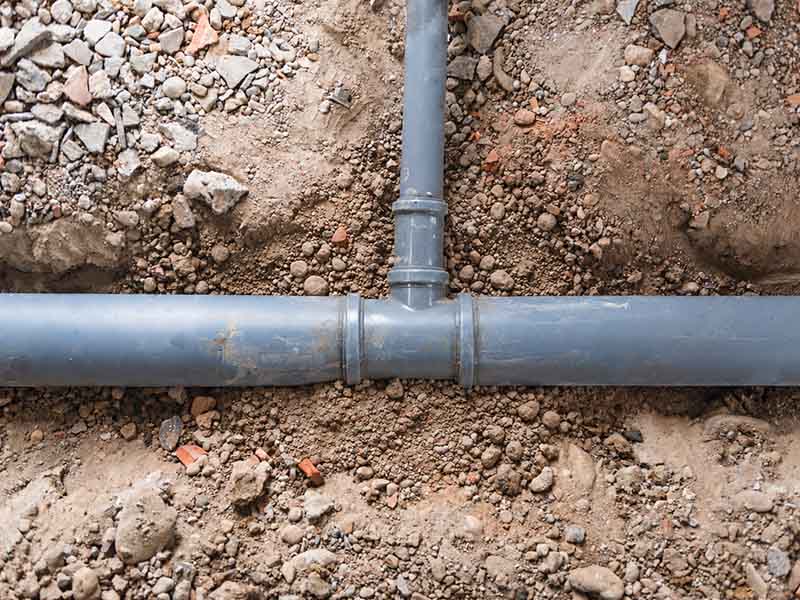
Your home’s main sewer line carries wastewater from your toilets, sinks, showers, and other plumbing fixtures to the municipal sewer system or a private septic system. Because multiple fixtures rely on this line, a significant blockage can affect drainage throughout your home.
Recurring sewer line clogs typically develop because something continues to restrict wastewater flow. While a previous cleaning may have restored drainage, it might not have removed all the buildup or addressed the condition responsible for the obstruction.
Grease, Sludge, and Debris Buildup
Grease and cooking oils can accumulate along the interior walls of sewer pipes. Over time, they combine with soap residue, food particles, and other debris to create deposits that narrow the passage available for wastewater.
Even after a blockage has been cleared, remaining deposits can catch additional waste and contribute to another clog. This is particularly common when the original cleaning only creates an opening through the obstruction.
Tree Root Intrusion
Tree roots naturally seek moisture and can enter sewer pipes through cracks, separated joints, or other openings. Once inside, they may continue growing and trap toilet paper and debris passing through the line.
Removing the roots can restore drainage, but the opening that allowed them to enter may remain. As a result, additional root growth can create another blockage over time.
Damaged or Misaligned Sewer Pipes
Older sewer lines may develop cracks, separated joints, or sections that have shifted out of alignment. These irregularities can interfere with wastewater flow and create places where debris collects.
A sagging section of pipe, sometimes called a sewer line belly, can also allow water and solids to accumulate. Unlike ordinary buildup, these structural conditions may require repairs to prevent repeated drainage problems.
Signs You May Have a Main Sewer Line Clog
Sewer line problems don’t always begin with a complete backup. Smaller drainage issues often appear first, giving you an opportunity to identify a potential problem before wastewater enters your home.
Pay attention to whether the same fixture repeatedly clogs or several drains begin acting up together. Problems affecting multiple fixtures can indicate a restriction in your main sewer line rather than an isolated drain.
Common warning signs include:
- Multiple slow drains: Several fixtures drain slowly around the same time.
- Recurring toilet backups: Toilets repeatedly clog despite previous attempts to clear them.
- Gurgling drains: Unusual sounds occur as wastewater moves through the plumbing.
- Water backing up into lower fixtures: Wastewater appears in a shower, bathtub, or basement floor drain when another fixture is used.
- Persistent sewer odors: Unpleasant sewage smells suggest a possible drainage or sewer problem.
These symptoms don’t automatically mean hydrojetting is necessary. However, recurring issues warrant professional attention because the source of the problem may be farther down the drainage system than you can reach with household tools.
If sewage is actively backing up into your home, stop using water and avoid running appliances that discharge wastewater until the problem has been evaluated.
What Is Hydrojetting and How Does It Work?
Hydrojetting is a professional drain and sewer cleaning method that uses highly pressurized water to remove accumulated debris from the inside of pipes. Unlike methods that primarily break through an obstruction, hydrojetting can remove deposits along the pipe’s interior walls.
During the process, a plumber inserts a specialized hose fitted with a jetting nozzle into the sewer line through an appropriate access point. The nozzle directs pressurized water into the pipe, breaking up accumulated material and flushing loosened debris through the system.
The pressure and equipment are selected based on the pipe’s size, material, condition, and the type of obstruction. Because hydrojetting involves specialized equipment and high water pressure, it should be performed by a trained plumbing professional.
What Types of Sewer Line Buildup Can Hydrojetting Remove?
Hydrojetting is particularly useful for removing materials that have accumulated along the interior of a sewer line.
Depending on the pipe’s condition and the equipment used, it can help remove:
- Grease and oily deposits that narrow the pipe’s interior.
- Soap residue and sludge that collect along pipe walls.
- Soft organic debris that contributes to restricted wastewater flow.
- Certain tree root intrusions that can be removed with appropriate jetting equipment.
By removing accumulated deposits rather than simply opening a passage through them, hydrojetting can help restore more of the pipe’s available flow capacity.
However, not every obstruction can be removed with pressurized water. Large solid objects, severe root intrusions, and certain other blockages may require mechanical removal or additional plumbing work.
Hydrojetting vs. Traditional Drain Snaking: What’s the Difference?
Drain snaking and hydrojetting are both established methods for clearing sewer line obstructions, but they work differently. Understanding the distinction can help you see why a plumber might recommend one method over the other.
A drain snake, also called a mechanical auger, uses a rotating cable and clearing head to break through or retrieve an obstruction. It’s often effective for localized blockages, including certain root intrusions and material lodged inside a pipe.
Hydrojetting uses pressurized water to dislodge debris and wash accumulated deposits from the pipe walls. This makes it especially useful when extensive grease, sludge, or residue is contributing to recurring sewer line clogs.
For example, a concentrated root blockage may require a mechanical cutting tool, while a sewer line restricted by years of grease buildup may benefit from hydrojetting. In some situations, both methods may be used during the same service.
Neither approach is automatically better for every sewer problem. The appropriate method depends on what’s causing the obstruction, how accessible it is, and whether the pipe can safely accommodate the equipment.
Why a Sewer Camera Inspection Matters Before Hydrojetting
Before recommending hydrojetting for recurring sewer line clogs, a plumber may need to determine what’s happening inside the pipe. A professional sewer inspection can help identify visible obstructions and other conditions affecting wastewater flow.
During a camera inspection, a small waterproof camera is guided through the sewer line. The video allows the plumber to look for accumulated debris, tree roots, cracks, joint separation, and other visible irregularities.
This information helps determine whether the problem is primarily an obstruction that can be cleaned or a condition that requires additional attention. It also helps guide the selection of an appropriate cleaning method.
Is Hydrojetting Safe for Older Sewer Lines?
Hydrojetting can be appropriate for many older sewer pipes, but their condition needs to be considered before high-pressure cleaning begins.
Older homes may have cast iron, clay, or other sewer pipes that have experienced decades of wear. Corrosion, cracking, and deteriorated joints can make certain sections more vulnerable to damage, particularly if excessive water pressure is applied.
A camera inspection can help reveal visible deterioration, although it can’t independently confirm the structural strength of every section of pipe. The plumber must use the available inspection findings and professional judgment to determine whether hydrojetting is suitable.
If the line is severely deteriorated, a different cleaning method or sewer line repair may be necessary. Taking time to evaluate the pipe helps avoid applying a cleaning method that could worsen an existing problem.
How Long Does Hydrojetting Last?
One of the biggest questions homeowners have is whether hydrojetting will keep their sewer line from clogging again. The answer largely depends on what caused the original obstruction and what happens inside the pipe afterward.
If grease, sludge, and accumulated debris were responsible, thorough cleaning may substantially improve drainage and reduce the likelihood of another blockage. However, new deposits can develop over time, especially if grease and inappropriate materials continue entering the plumbing system.
There isn’t a universal timeline for how long hydrojetting results will last. Some sewer lines may remain clear for an extended period, while others may need additional maintenance based on their condition and history.
Instead of assuming you’ll need hydrojetting every year, ask your plumber whether ongoing maintenance is appropriate for your particular sewer line. A cleaning schedule should reflect actual conditions rather than an arbitrary interval.
How to Prevent Recurring Sewer Line Clogs
Professional sewer cleaning can remove existing obstructions, but everyday plumbing habits also influence what accumulates inside your pipes. While you can’t prevent every sewer problem, taking a few precautions can reduce the risk of avoidable blockages.
Be Careful About What Goes Down Your Drains
One of the simplest ways to protect your sewer line is to keep materials out of the plumbing system that can accumulate or become lodged inside pipes.
Avoid putting the following items down your drains or toilets:
- Cooking grease, fats, and oils
- Flushable wipes, baby wipes, and paper towels
- Feminine hygiene products and cotton swabs
- Large amounts of food scraps or fibrous waste
- Other household materials not intended for drain disposal
Even products marketed as flushable can contribute to sewer blockages. Toilet paper and human waste are generally the only materials that should be flushed.
Address Drainage Problems Early
A single slow drain doesn’t necessarily indicate a serious sewer problem, but persistent or recurring symptoms shouldn’t be ignored. Pay attention to how frequently drainage problems occur and whether they’re becoming more widespread.
Avoid relying on repeated applications of chemical drain cleaners to manage stubborn clogs. These products may not address the underlying obstruction and can create additional safety concerns during professional plumbing service.
When drainage problems continue returning, professional drain cleaning can help address the obstruction and determine whether further investigation is necessary.
When Is Sewer Line Repair Better Than Hydrojetting?
Hydrojetting is designed to clean pipes, but some recurring sewer problems require more than removing accumulated debris. When the sewer line itself is damaged or unable to carry wastewater properly, repairing the affected section may provide a more appropriate solution.
For example, a collapsed sewer pipe can prevent wastewater from passing through regardless of how thoroughly the surrounding line is cleaned. Similarly, a significant pipe belly may continue collecting solids because the wastewater can’t flow through that section as intended.
The appropriate repair depends on the location, severity, and extent of the damage. Some sewer line problems can be addressed through targeted repairs, while extensive deterioration may require replacing a larger section of pipe.
In certain situations, trenchless sewer line repair may be an option, depending on the pipe’s condition and configuration. These methods can sometimes address damaged sections without the extensive excavation associated with traditional replacement.
A professional assessment helps determine whether your sewer line needs cleaning, repair, or a combination of services. Addressing the actual source of the problem is more useful than repeatedly clearing blockages that return for the same reason.
Get Professional Sewer Line Cleaning in Southwest Denver
Recurring sewer line clogs can disrupt your household and increase the risk of wastewater backups. Hydrojetting can be an effective way to remove stubborn buildup, but choosing the right solution starts with understanding what’s causing the problem.
Z PLUMBERZ of Southwest Denver provides professional sewer line cleaning, hydrojetting, camera inspections, and sewer repair services. We’ll evaluate your plumbing concerns, explain our findings, and recommend the appropriate next steps to restore reliable drainage.
Tired of dealing with the same sewer clog? Contact Z PLUMBERZ of Southwest Denver today to schedule professional sewer and drain service and get to the source of the problem.
Expert Tips
Why Fall Is the Best Time to Replace Your Water Heater in Denver
As you prepare your home for colder weather, your water heater deserves attention, especially if it’s getting older or struggling…
Why Is My Water Pressure Low? 5 Common Causes in Southwest Denver Homes
Low water pressure can slow down routine tasks like showering, washing dishes, and running appliances, but the cause isn’t always…
Sewer Pipe Lining: Is Your Damaged Pipe a Good Candidate for Trenchless Repair?
A damaged sewer line doesn’t always mean your yard has to be dug up for repair. In many cases, sewer…