Drano? Drain NO!
Thinking about using Drano in your Toledo home? Think again! Drano can cause more harm than good. Read more about how to properly address a blockage at home and why you should reconsider the Drano.
What is Drano?
Drano is a household name plumbing solution meant as an easy clogged drain solution that anyone can find at the store. Drano works by dissolving soap scum, general drain gunk, and hair with a chemical called sodium hydroxide, better known as lye or caustic soda. Sodium hydroxide is caustic, meaning it eats away at materials it comes into contact with, such as hair in your drain. The chemical reaction produces lots of heat to speed up the breakdown of debris in your pipe, which can damage or melt parts of plumbing adhesives and pipes. While potentially helpful in the moment, Drano’s corrosive nature is bad for your plumbing since it breaks down your pipes along with the clog.
Signs of Possible Damage After Using Drano
Damage to pipes due to Drano typically happens gradually, the older your pipes or more frequent your clogs are, the more susceptible your pipes are to damage. If you notice repetitive clogs in a specific spot, it may be due to an underlying issue with the plumbing and a professional plumber should be called.
- Leaks due to melted glue or other plumbing adhesives
- Deformed or collapsed PVC pipes
- Corrosion on inner side of drain or pipe
- Cracked toilet after Drano use
Alternatives to Drano
Before reaching for that tempting red jug, there are other means of unclogging a drain at home.
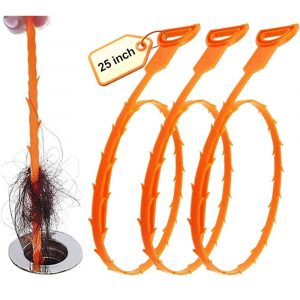
Try a drain snake with plastic barbs like this one to the right! They’re cheap, often come in bulk, easy to grab at the store, easy to use, clean, and store. These types of drain snakes work wonders in bathtubs and bathroom sinks, where hair and soap scum are frequent cloggers. To use, insert the drain snake to your drain and use mechanical actions, such as jiggling, turning, moving up and down or side to side, in order to snag the blockage with the barbs and pull it out of your drain. Throw away the blockage and run the water again to make sure everything was removed.
If you find the drain to still be backing up, but there is no more debris, the blockage may be too far down or stubborn for at home solutions.
Another way to unclog a drain is to try using hot water, high water pressure, and a little bit of dish soap to dislodge a blockage. While Drano’s consistent high temperature can damage pipes, your pipes are meant to withstand your home’s water temperatures.
Some other remedies include using a plunger, if using a plunger for a non-toilet type of drain, make sure to use a plunger that is not used for the toilet. There are sink and drain specific plungers, and having separate dedicated drain and toilet plungers maintains a clean, more sanitary home.
Our PLUMBERZ are licensed and insured experts and have fully stocked trucks ready to go for all of your plumbing needs. Call or book online with us today to book for your commercial space or home!
Clogged Drain? Book a plumber near you online today!
Expert Tips
Yearly Plumbing To-Do List
Doing periodic plumbing inspections and maintenance can prevent catastrophe later on and allows you to plan ahead! A guide for…
Lights Out! How to Prevent Frozen Pipes During Power Outages in Toledo
Perhaps you won’t think of it initially, but if a power outage lasts long enough, your pipes could freeze without…
How Water Heaters are Drained and Flushed
Did you know that draining and flushing your water heater once a year drastically improves the lifespan of your water…