Spring Plumbing Checklist: 7 Things Livingston Homeowners Should Do Before Summer
Book today with Z PLUMBERZ of Livingston.
Before summer gets fully underway in Livingston, Michigan, your plumbing deserves a closer look. A quick spring plumbing checkup is one of the easiest ways to head off the kind of surprises that always show up at the worst possible moment.
Most of this checklist doesn’t require special tools or a lot of time. A little attention now can spare you from a flooded basement, a broken outdoor faucet, or a water heater that gives out in July. Here’s where to start.
Why Spring Is the Right Time for a Plumbing Checkup
Most homeowners think about plumbing reactively, meaning they think about it when something goes wrong. Spring is the ideal window to get ahead of those problems. You’re coming out of a season that stresses plumbing systems and heading into one that adds new demand, especially outdoors.
Water use increases significantly once the warm weather settles in. Lawn irrigation kicks back on, appliances run more frequently, and household consumption climbs. Starting the season with a well-maintained system means fewer disruptions, lower utility bills, and a much smaller chance of an emergency call.
The Spring Plumbing Checklist
Running through these seven items takes less than an hour and can reveal problems that are far easier to fix now than mid-summer.
1. Test Your Outdoor Faucets and Hose Bibs
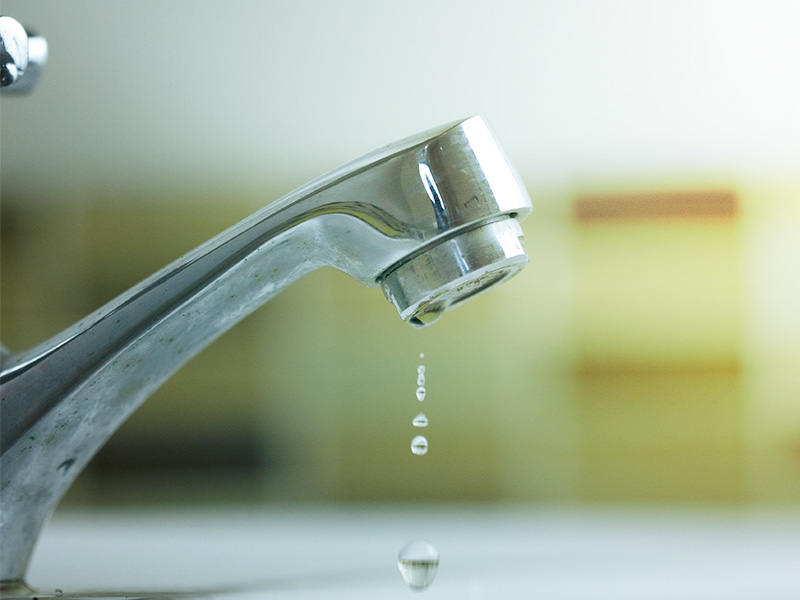
This is one of the most overlooked steps in spring plumbing prep, and one of the most important. Even when outdoor faucets are properly shut off before winter, the pipes behind them can crack from the cold and thaw cycle. Turn on each outdoor faucet — including the spigots where you connect your garden hose — and check for drips, reduced flow, or visible damage near the connection point or along the pipe inside the wall.
A slow drip might not seem urgent, but a cracked pipe behind an outdoor faucet can leak hundreds of gallons into your walls or foundation before you notice anything on the surface.
2. Have Your Sump Pump Tested
Spring rain season is already here, and if your sump pump hasn’t been checked recently, now is the time. A professional inspection catches the issues that a quick DIY test can miss — worn components, a weakening motor, or a discharge line that’s partially blocked. A plumber can also confirm the pump is properly sized for your home and that water is draining far enough away from your foundation.
If you notice any of these signs, don’t wait to schedule a visit:
- The pump hesitates or takes a long time to activate
- It makes grinding, rattling, or humming sounds
- It doesn’t turn on at all
A sump pump failure during a spring downpour can mean a flooded basement and a costly cleanup.
3. Flush Your Water Heater
Minerals and grit settle at the bottom of tank water heaters over time. Areas like Livingston, Brighton, and Howell tend to have hard water, which speeds up that buildup. Left alone, it reduces heating efficiency, creates a rumbling or popping sound when the heater runs, and shortens the unit’s life.
Flushing the tank each spring clears out that buildup and keeps the heater running the way it’s supposed to. If it’s been several years since the last flush, or if it’s never been done, this spring is a good time to schedule it.
4. Run Every Drain in Your House
Winter is surprisingly hard on drains. Grease, soap scum, and hair accumulate steadily through the colder months, and by the time spring arrives, slow drains are common. Run water through every sink, tub, and shower and note anything that drains sluggishly or gurgles when it empties.
A partial clog now turns into a full clog later, usually at the least convenient moment. If multiple drains in your home are slow at the same time, that can point to a deeper blockage in your home’s main drain line rather than individual buildup at each fixture.
5. Look for Signs of Pipe Damage
Michigan winters put repeated stress on pipes that isn’t always visible from the outside. Take a few minutes to look over the exposed pipes in your basement, crawl space, and utility areas.
As you walk through your home, keep an eye out for:
- Damp spots or water stains on nearby walls, floors, or insulation
- Rust or greenish buildup near pipe fittings and joints
- Any visible drips or small puddles around connections
Catching a minor leak in spring, before summer water use increases pressure throughout the system, is far easier and less expensive than dealing with a full failure later. Small issues that are easy to fix in May can turn into significant water damage by August if they’re ignored.
6. Start Your Irrigation System the Right Way
If you shut down your lawn irrigation last fall, spring startup deserves more than just flipping the system back on. Walk each zone while it’s running and look for broken or misaligned sprinkler heads, pooling water that suggests an underground leak, or uneven coverage that hints at a pressure issue. Running a damaged system all season wastes water and can quietly damage your landscaping and foundation.
Pay attention to zones that run at noticeably lower pressure than others. That often signals a cracked line underground that needs attention before it gets worse.
7. Don’t Skip Toilets and Supply Lines
This one tends to get overlooked. Check the supply lines feeding your toilets, sinks, and appliances for signs of wear, bulging near the fittings, or corrosion at the connections. These lines stay under constant pressure and can fail without much warning when they start to wear out.
Also check each toilet for a slow leak at the base or a continuously running tank. Both are easy to ignore because they don’t seem urgent, but a running toilet alone can waste thousands of gallons a month.
What to Do If Something Doesn’t Look Right
Working through this checklist might surface something that needs a professional. That’s actually a good outcome. It’s far better to find a problem before it becomes an emergency than after.
Some of these items are easy to handle on your own:
- Running water through your drains
- Checking outdoor faucets for drips or damage
Others are worth a call to a licensed plumber. Flushing a water heater, sorting out low water pressure, or tracking down an underground irrigation leak are jobs that go smoother with a professional set of eyes. If you’re not sure whether something you’ve noticed is worth a call, it usually is. Plumbing problems rarely sort themselves out.
Make It Part of Your Seasonal Routine
Treating plumbing maintenance like HVAC servicing or gutter cleaning, as a scheduled part of seasonal upkeep rather than a reactive fix, pays off over time. Livingston winters put real stress on plumbing systems year after year. A spring walkthrough doesn’t take long, and the avoided repairs are well worth the time.
Don’t Head Into Summer With Unresolved Plumbing Issues
Z Plumberz has been helping homeowners throughout Livingston County, Brighton, Howell, and the surrounding areas keep their plumbing running well through every season.
If you’re working through this checklist and have found something that concerns you, our licensed plumbers are ready to help. Whether it’s a water heater flush, a sump pump inspection, or a second opinion on something you’ve spotted, we’ll get it handled quickly and correctly.
Contact our team today to schedule service and head into summer knowing your plumbing is in good shape.
Expert Tips
Low Water Pressure in Your Livingston Home? Why It’s a Sign You Need a Plumber
A water pressure change can point to a clogged fixture, hidden leak, aging pipe, faulty valve, or damaged water line.…
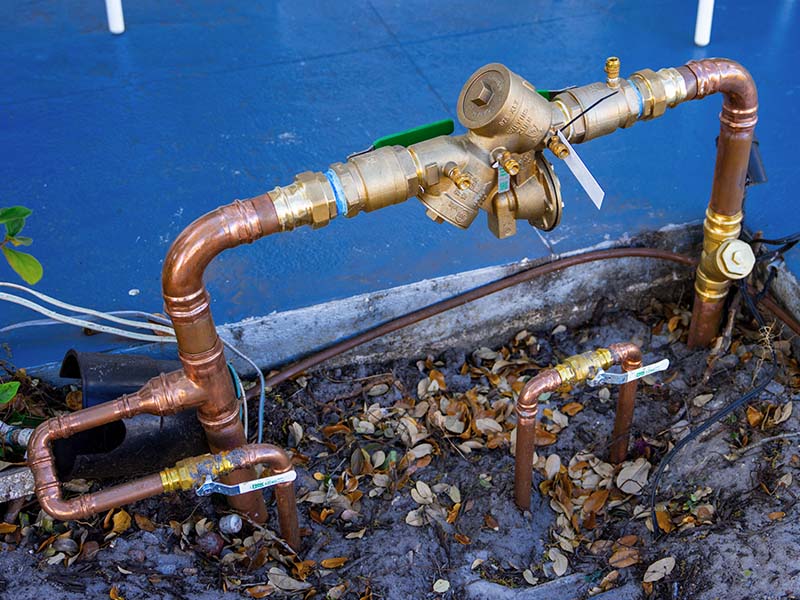
Backflow Preventers in Livingston Homes: How They Work & When You Need Testing
Clean drinking water is something you depend on every day, but you may not realize how easily it can become…
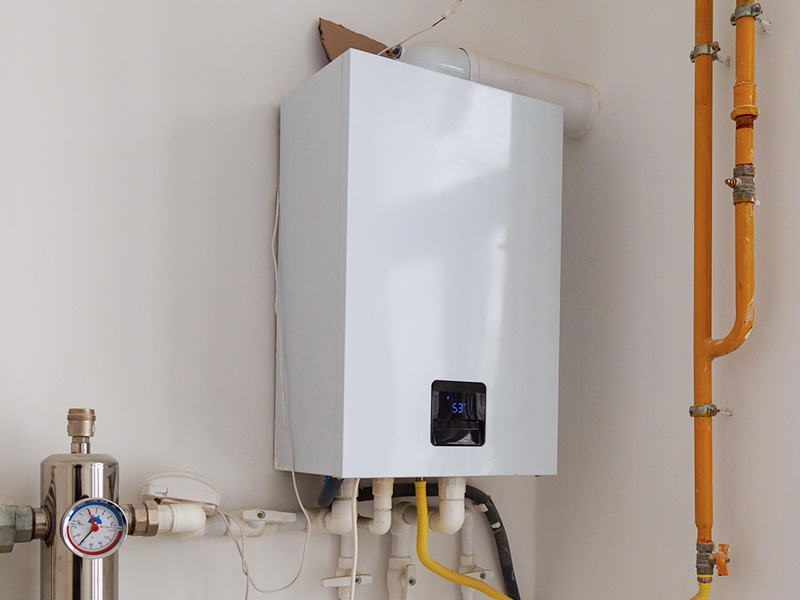
Is It Time to Switch to a Tankless Water Heater?
If your hot water keeps running out or your utility bills continue to rise, it may be time to consider…