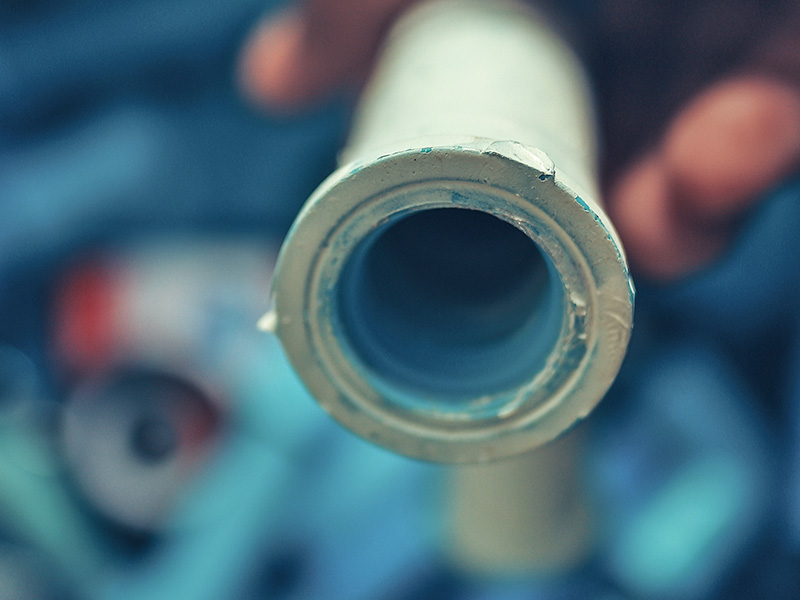
Plumbing Upgrades That Can Help Lower Your Utility Bills
Book today with Z PLUMBERZ of the Treasure Valley.
Your plumbing system could be costing you more than you realize. An older toilet may use more water than necessary, a dripping faucet can waste water throughout the day, and an inefficient water heater could increase your energy costs. These expenses aren’t always obvious because they become part of your regular utility bills.
Improving plumbing efficiency doesn’t have to mean replacing your entire system. Some upgrades are relatively inexpensive, while others are worth considering when existing equipment begins to deteriorate.
Knowing where your home uses the most water and energy can help you prioritize plumbing improvements that offer meaningful savings without spending money unnecessarily.
Replace Older Toilets With Water-Efficient Models
If your home has older toilets, replacing them could make a noticeable difference in water consumption. Toilets account for a substantial portion of indoor household water use, and the amount required for each flush varies significantly between older and newer models.
Some older toilets use several gallons per flush, while modern WaterSense-labeled models use 1.28 gallons or less. According to the Environmental Protection Agency (EPA), replacing older, inefficient toilets with WaterSense models can reduce toilet water consumption by 20% to 60%. Your actual savings will depend on the toilets you’re replacing and how frequently they’re used.
Choosing the Right Replacement Toilet
Water efficiency shouldn’t come at the expense of reliable performance. A toilet that requires repeated flushing may eliminate some of the savings you’re hoping to achieve, so it’s worth evaluating more than water consumption alone.
When comparing models, consider:
- WaterSense certification
- Reliable flushing performance
- Compatibility with existing plumbing
- Fixture dimensions and installation requirements
- Maintenance needs
If your current toilet runs continuously or refills unexpectedly, replacement isn’t necessarily the first step. Worn flappers, fill valves, and other internal components can often be repaired. However, if you have an older, inefficient toilet that requires frequent attention, upgrading may provide better long-term value.
Use Less Water With Efficient Faucets and Showerheads
Reducing water consumption doesn’t have to mean shortening every shower or significantly changing your daily routine. Modern faucets and showerheads can help conserve water through more efficient flow control while maintaining comfortable performance. Because you use these fixtures repeatedly throughout the day, even modest reductions in flow can add up over time.
Install Water-Saving Showerheads
Standard showerheads may use up to 2.5 gallons per minute, while WaterSense-labeled models use no more than 2.0 gallons per minute and must meet specific performance requirements. These standards help ensure that lower water consumption doesn’t come at the expense of satisfactory spray coverage and intensity.
Consider a household where several people shower every day. Reducing the amount of water used per minute can lower overall consumption without requiring major changes in shower duration. Because less hot water flows through the showerhead, your water heater may also use less energy, depending on your household’s habits and equipment.
Upgrade Faucets or Add Efficient Aerators
Bathroom faucets offer another opportunity to conserve water. WaterSense-labeled faucets and aerators are designed to reduce flow while maintaining adequate performance for everyday tasks. If your existing faucet is in good condition, installing a compatible water-saving aerator can be an inexpensive improvement.
A complete faucet replacement makes more sense when the fixture is corroded, difficult to operate, or already part of a planned renovation. Choosing a water-efficient model during the upgrade allows you to improve functionality while reducing unnecessary consumption.
Make Your Water Heater Work More Efficiently
Your water heater affects both household comfort and energy consumption. Every time you shower, wash dishes, or use hot water for laundry, your system must bring water to the required temperature. If the equipment is inefficient or poorly suited to your household’s needs, you may be spending more on energy than necessary.
Choosing a replacement involves more than finding the model with the highest efficiency rating. The type of system, installation requirements, household demand, and purchase price all influence its overall value.
Comparing Water Heater Options
Different water heater technologies offer different opportunities for energy savings. Your existing fuel source, available installation space, and hot water needs will help determine which system is appropriate.
Common options include:
- Conventional tank water heaters
- Tankless water heaters
- Heat pump water heaters
A tankless model can reduce standby energy losses because it heats water on demand rather than maintaining a large stored supply. However, it isn’t automatically the most economical option for every home. Installation costs, incoming water temperature, and simultaneous hot water demand all affect its suitability.
Heat pump water heaters can provide substantial energy savings compared with conventional electric resistance models, although they require suitable space, airflow, and installation conditions. Colder incoming water during Treasure Valley winters also increases the heating required, making proper equipment sizing an important consideration.
When Is Water Heater Replacement Worthwhile?
If your current water heater is relatively new and operating efficiently, replacing it prematurely may not make financial sense. An aging unit that requires repeated repairs, however, may be a stronger candidate for replacement.
A professional assessment can help you compare your existing equipment with newer options and understand the potential operating savings. The right system should meet your household’s hot water demand while keeping installation and energy expenses reasonable.
Stop Paying for Water You’re Not Using
Before investing in new equipment, take a closer look at the plumbing you already have. Repairing leaks can be one of the most cost-effective ways to reduce unnecessary water consumption, especially when a problem continues unnoticed for weeks or months.
A slow faucet drip might seem insignificant, but the water loss continues whether you’re using the fixture or not. Running toilets can waste even more water when worn internal components allow water to flow continuously into the bowl. Leaks can also develop in concealed pipes or underground water lines, making them difficult to notice without other warning signs.
Watch for:
- Unexpected increases in water bills
- Toilets that refill between uses
- Persistent faucet drips
- Damp cabinets or flooring
- Unexplained water meter activity
If your water consumption increases without a clear explanation, checking for leaks can help determine whether the change is related to your plumbing rather than normal household usage. Finding a problem early may also prevent moisture damage to cabinets, flooring, and surrounding materials.
Repairing or Replacing Leaking Plumbing
A leaking fixture doesn’t always need replacement. A worn cartridge, damaged gasket, or faulty toilet component may be repairable without installing new equipment. Replacement becomes more reasonable when corrosion, recurring failures, or extensive wear make continued repairs impractical.
Hidden leaks require a different approach because the damaged area may not be accessible or visible. Professional leak detection can help locate the source and determine whether a targeted repair is sufficient or a larger section of piping needs attention.
Reduce Heat Loss From Hot Water Pipes
Once water leaves your water heater, it travels through supply pipes before reaching your faucets and showers. Along the way, some heat transfers into the surrounding environment, particularly when pipes run through cooler areas such as garages or crawl spaces.
Insulating accessible hot water pipes can help reduce that heat loss and improve temperature retention. This relatively modest improvement may complement an efficient water heater without requiring major changes to your plumbing.
The benefit depends on the length and location of your pipes, existing insulation, and how frequently you use hot water. Insulation won’t correct a failing water heater or necessarily eliminate long waits for hot water at distant fixtures. It also needs to be appropriate for your piping and installed without interfering with equipment controls, ventilation, or required clearances.
Consider Hot Water Recirculation for Distant Fixtures
If your bathroom is far from the water heater, you may spend considerable time waiting for hot water to reach the faucet. During that wait, cooled water sitting inside the supply line flows down the drain. A hot water recirculation system can reduce this delay by moving water through the plumbing until hot water is available near the fixture.
Although recirculation can reduce wasted water, it’s primarily a convenience improvement rather than a guaranteed way to lower utility bills. Continuously operating pumps use electricity and can increase heat loss from the piping, potentially offsetting the water savings.
Demand-controlled systems offer a more targeted approach because they operate when hot water is requested. If long waits are a regular problem in your home, a plumber can assess whether the convenience and potential water savings justify the installation and operating costs.
How to Prioritize Plumbing Upgrades Without Overspending
You don’t need to make every improvement at once. The most worthwhile upgrades depend on your home’s existing equipment, household routines, and utility costs. A household with older, high-volume toilets may have different priorities than one with a recently installed bathroom but an aging electric water heater.
Before committing to larger improvements, compare:
- Equipment and installation costs
- Potential water or energy savings
- Age and condition of existing plumbing
- Expected maintenance requirements
- Available rebates or incentives
Understanding how your utilities are billed can help you evaluate potential savings more accurately. Water, sewer, electricity, and natural gas charges may be calculated differently, while fixed service fees generally remain unchanged regardless of consumption.
For example, a more efficient toilet may reduce metered water usage without affecting the fixed portion of your bill. Likewise, replacing a water heater could lower energy consumption but take several years to recover the installation cost through savings.
Upcoming renovations also provide opportunities to improve efficiency. If you’re already remodeling a bathroom, installing water-saving fixtures during the project may be more economical than scheduling separate replacements later. Focus on improvements that address existing inefficiencies and offer reasonable long-term value for your household.
Get Started on Improving Your Home’s Plumbing Efficiency
Lower utility bills don’t always require major plumbing renovations. Sometimes, repairing a persistent leak or replacing an inefficient fixture makes more financial sense than investing in expensive equipment. Understanding where your home wastes water or energy can help you choose improvements that deliver practical benefits.
Whether you’re considering a water-efficient toilet, updating bathroom fixtures, or replacing an aging water heater, Z PLUMBERZ of the Treasure Valley can help you evaluate your options. We provide plumbing repairs, fixture installations, and water heater services for homeowners throughout Boise, Nampa, Meridian, Caldwell, and surrounding communities.
Before investing in your next plumbing upgrade, talk with our team about which improvements make the most sense for your home and budget.
Expert Tips
Top 5 Causes of Low Water Pressure in Your Home
Low water pressure can develop gradually or appear without warning. Knowing what causes it can help you identify potential plumbing…
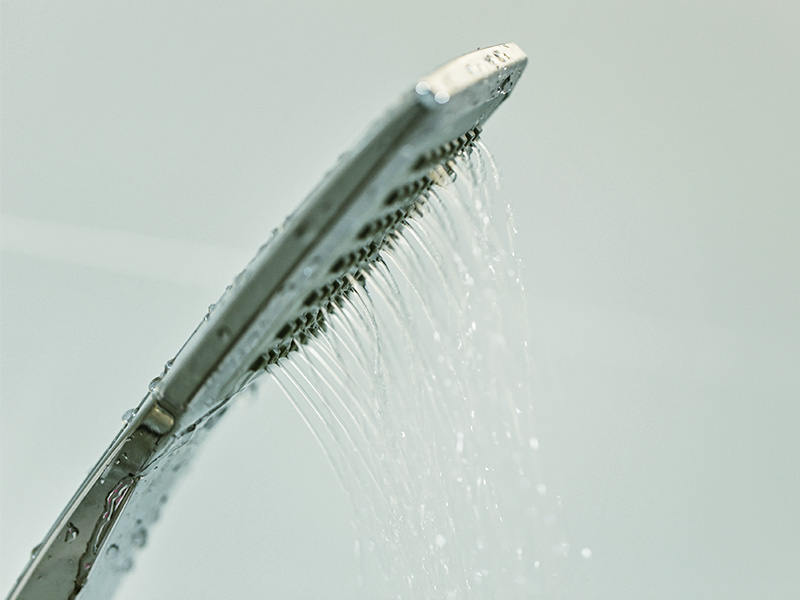
Why Is My Toilet Running Constantly?
Some running toilet problems come down to a simple adjustment, while others involve worn parts that need to be replaced.…
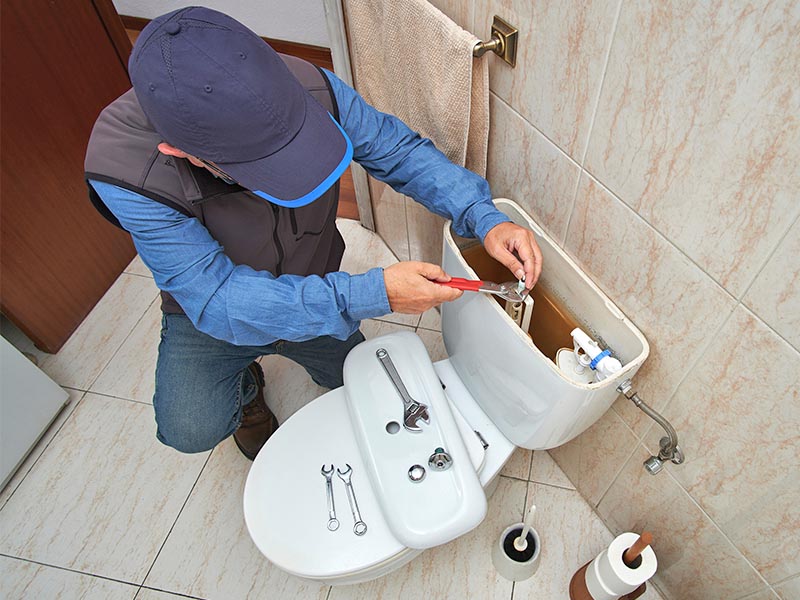
How Pipe Lining Can Extend the Life of Aging Pipes
When certain pipes become worn or corroded but are still suitable for rehabilitation, pipe lining may provide another way to…