Top 5 Causes of Low Water Pressure in Your Home
Book today with Z PLUMBERZ of the Treasure Valley.
A weak shower, a slow-filling sink, or a washing machine that takes longer than usual to fill can make everyday tasks frustrating. When your home’s water pressure drops, the cause isn’t always obvious. The problem could be as simple as a clogged faucet or as serious as a damaged water supply line.
Low water pressure can develop gradually or appear without warning. Knowing what causes it can help you identify potential plumbing problems and recognize when professional repairs are necessary. Some problems affect only one fixture, while others can reduce water flow throughout your home.
1. Mineral Buildup in Faucets and Showerheads
Mineral buildup is a common reason for reduced water flow, particularly when the problem affects only one faucet or showerhead. As water passes through your plumbing fixtures, dissolved minerals such as calcium and magnesium can leave deposits that gradually restrict small openings.
Hard water can contribute to this buildup over time. Deposits may accumulate around faucet aerators, showerheads, and internal fixture components, reducing water flow even when pressure elsewhere in your plumbing system remains normal.
Common signs of mineral buildup include:
- White, chalky residue around fixtures
- Uneven or restricted spray patterns
- Water spraying in unexpected directions
- Weak flow from an individual faucet or showerhead
How to Address Mineral Buildup
Cleaning a removable aerator or showerhead according to the manufacturer’s instructions may restore normal flow. If cleaning doesn’t help, the restriction could be inside the fixture’s cartridge, valve, or supply connection. These components may require professional cleaning or replacement.
A partially blocked fixture can make the water feel weak even when your home’s supply pressure is normal. If multiple fixtures have similar problems, the cause may be elsewhere in your plumbing system.
2. Hidden Leaks in Your Plumbing System
A plumbing leak doesn’t always leave an obvious puddle. Water can escape from pipes behind walls, beneath floors, or underground without immediately becoming visible. Depending on its size and location, a leak may also reduce the amount of water reaching your fixtures.
Although smaller leaks don’t always cause noticeable pressure changes, significant leaks in supply lines can affect water delivery throughout your home. A sudden pressure drop is especially concerning when it occurs alongside other signs of water loss.
Possible warning signs include:
- Unexpected increases in your water bill
- Damp walls, flooring, or cabinets
- Musty odors near concealed plumbing
- Unexplained wet spots in your yard
- Running water sounds when fixtures are off
For example, suppose the water pressure in your kitchen and bathroom suddenly decreases. A few days later, you discover a damp patch near an interior wall. While these symptoms don’t confirm a leak, they suggest that your plumbing needs further investigation.
Why Early Leak Detection Matters
A hidden leak can waste water and damage surrounding materials long before its location becomes obvious. One way to check for possible water loss is to turn off all water-using fixtures and appliances, then observe your water meter for signs of continued consumption. Make sure irrigation systems and other automatic equipment aren’t operating during the check.
If the meter indicates unexpected water usage, professional leak detection can help identify the source. A plumber can evaluate the affected plumbing and determine whether a damaged connection, pipe section, or underground line requires repair. Addressing the issue promptly can help limit further water loss and property damage.
3. A Faulty Water Pressure Regulator
Some homes have a water pressure regulator, also called a pressure-reducing valve, installed near the incoming water supply. This component reduces excessive incoming pressure and helps maintain an appropriate level for your home’s plumbing system.
When a regulator malfunctions, it may restrict water delivery more than intended or cause inconsistent pressure. Unlike mineral buildup in a single fixture, a regulator problem can affect multiple faucets, showers, and appliances throughout your home.
You might notice that water flow has weakened throughout the house or that pressure fluctuates unexpectedly. However, these symptoms can also result from other supply problems, so they don’t necessarily mean the regulator has failed.
How a Plumber Evaluates the Regulator
A plumber can measure your home’s water pressure and assess how it changes when fixtures are operating. These measurements help distinguish a regulator malfunction from a restriction elsewhere in the plumbing system.
If the regulator is defective, repairing or replacing it may restore more consistent pressure. However, not every home has one, and replacing the component without confirming the cause could leave the original problem unresolved.
Because incorrect pressure adjustments can expose plumbing components to excessive pressure, regulator repairs and replacements are best handled professionally. A proper diagnosis helps ensure the work addresses the source of your pressure problem.
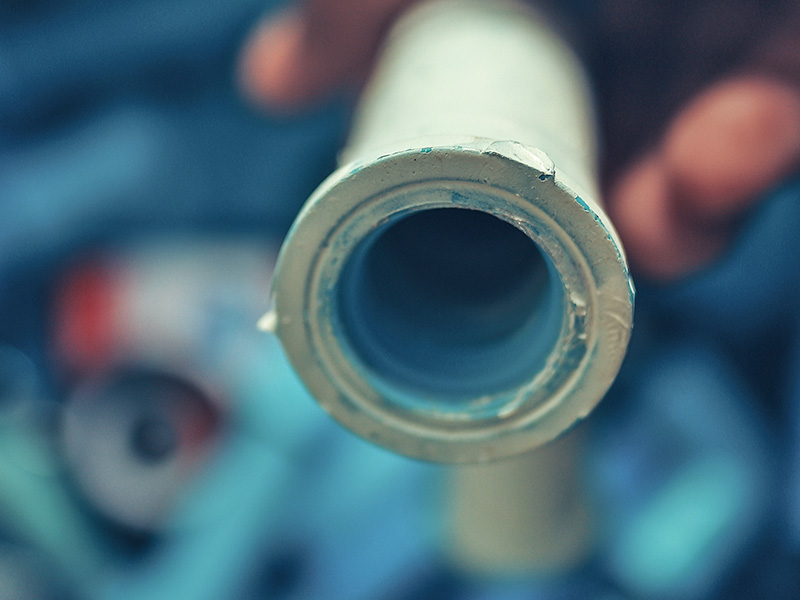
4. Corroded or Restricted Water Supply Pipes
When water pressure gradually decreases throughout your home, the condition of your supply pipes may be responsible. Certain older plumbing materials can deteriorate internally, restricting the amount of water that reaches your fixtures.
Galvanized steel pipes, in particular, are susceptible to corrosion that gradually narrows the passage available for water. As the interior of a pipe becomes restricted, it becomes harder to deliver sufficient flow when multiple fixtures are operating.
How Aging Pipes Affect Water Flow
You might notice that your shower works reasonably well until someone turns on the kitchen faucet or starts the washing machine. When several fixtures demand water simultaneously, restricted supply pipes may struggle to maintain adequate flow.
This doesn’t automatically mean your pipes are corroded. Partially closed valves, undersized piping, and localized obstructions can produce similar symptoms. However, if your home has older galvanized pipes and you’ve experienced gradually worsening water flow, internal deterioration is worth investigating.
When Pipe Replacement Makes Sense
Not every restricted pipe requires extensive replacement. Sometimes, the problem involves a single damaged section, connection, or valve that can be repaired without disturbing the rest of your plumbing system.
If corrosion affects large portions of an aging water supply system, repeated repairs may become less practical. Replacing deteriorated supply lines could provide a more reliable long-term solution while reducing the likelihood of recurring restrictions.
A professional plumbing inspection helps determine the extent of the deterioration and whether targeted repairs or more comprehensive pipe replacement would be appropriate. This allows you to make an informed decision based on the condition of your plumbing rather than replacing pipes unnecessarily.
5. Problems With Your Main Water Supply
Sometimes, the reason for low water pressure lies outside your home’s interior plumbing. Municipal water main maintenance, supply interruptions, and changes in neighborhood demand can temporarily affect water delivery to your property.
If the pressure drops suddenly throughout your house, check whether nearby homes are experiencing similar conditions. When multiple properties are affected, contacting your water utility can help determine whether maintenance or a broader supply problem is responsible.
When Your Water Service Line May Be Responsible
If your neighbors have normal water pressure, the problem may involve the service line supplying your property. This underground pipe connects your home to the water supply and can develop leaks or restrictions that interfere with water delivery.
A partially closed main shutoff valve can produce similar symptoms, so the source isn’t always obvious. A plumber can evaluate your property’s supply system and help determine whether the issue requires repairs to private plumbing or attention from the water provider.
How to Narrow Down the Cause of Low Water Pressure
Before scheduling plumbing service, a few simple observations can help you describe the problem more accurately. Pay attention to where the pressure drops, when it happens, and whether the change affects your entire home.
Consider these questions:
- Is the problem limited to one fixture?
- Does it affect both hot and cold water?
- Did the pressure drop suddenly or gradually?
- Does water flow weaken when several fixtures are running?
The answers can help distinguish an isolated fixture restriction from a broader supply problem. For example, weak hot water flow with normal cold water pressure may indicate a restriction in your hot water system rather than the incoming main supply.
If reduced pressure occurs alongside visible water damage or signs of a major leak, don’t delay professional assistance. Even when there’s no obvious damage, a persistent or unexplained pressure change deserves attention.
When Should You Call a Plumber for Low Water Pressure?
If cleaning an affected fixture doesn’t resolve the problem, or water pressure remains weak throughout your home, a professional inspection can help identify the cause. Sudden pressure changes, recurring problems, and signs of leaking plumbing also warrant professional attention.
During an inspection, a plumber may measure water pressure, check accessible valves, evaluate fixture performance, and examine supply lines for leaks or restrictions. Testing the system under different flow conditions helps determine whether the problem involves a specific component or a larger issue with water delivery.
The recommended repair should depend on what the inspection reveals. A clogged fixture may only need a replacement component, while a damaged supply line could require more extensive work. Diagnosing the problem first helps prevent unnecessary repairs and provides a clearer understanding of your options.
Restore Your Water Pressure With Z PLUMBERZ of the Treasure Valley
Low water pressure can result from something as simple as mineral buildup or something more serious, such as a hidden leak or deteriorating supply pipe. Finding the cause is the first step toward restoring dependable water flow and protecting your plumbing system.
Z PLUMBERZ of the Treasure Valley provides plumbing services for homeowners throughout Boise, Nampa, Meridian, Caldwell, and surrounding communities. Our team can help diagnose low water pressure and recommend appropriate repairs, from fixture and valve problems to leaking or damaged pipes.
Don’t let weak water pressure disrupt your routine. Contact Z PLUMBERZ of the Treasure Valley today to schedule professional plumbing service.
Expert Tips
Plumbing Upgrades That Can Help Lower Your Utility Bills
Knowing where your home uses the most water and energy can help you prioritize plumbing improvements that offer meaningful savings…
Why Is My Toilet Running Constantly?
Some running toilet problems come down to a simple adjustment, while others involve worn parts that need to be replaced.…
How Pipe Lining Can Extend the Life of Aging Pipes
When certain pipes become worn or corroded but are still suitable for rehabilitation, pipe lining may provide another way to…