8 Signs of a Hidden Water Leak in Your Ann Arbor Home
Not every plumbing leak creates an obvious puddle. Water can escape behind a wall, beneath a floor, above a ceiling, or inside a cabinet for days or weeks before a homeowner notices a problem.
By the time the leak becomes visible, it may have affected drywall, flooring, insulation, cabinetry, or other building materials.
Recognizing the early signs of a hidden water leak can help Ann Arbor homeowners reduce water waste, limit damage, and arrange repairs before the problem becomes more serious.
1. Your Water Bill Increases Unexpectedly
A sudden increase in water use is one of the most common signs of a hidden plumbing leak.
If your household routines have not changed but your water bill is noticeably higher, water may be escaping somewhere in the plumbing system.
Compare your current bill with:
- Recent billing periods
- The same season from the previous year
- Your household’s typical monthly usage
Guests, lawn watering, appliance use, and seasonal changes can affect consumption. However, a consistent increase with no clear explanation may point to a leak.
Even a small leak can waste a significant amount of water when it continues all day and night.
2. The Water Meter Moves When Nothing Is Running
Your water meter can help indicate whether water is flowing when it should not be.
Before testing the meter, turn off:
- Faucets
- Showers
- Dishwashers
- Washing machines
- Ice makers
- Irrigation systems
- Water-using appliances
Make sure no toilet is refilling. Record the meter reading, avoid using water for approximately 30 minutes, and check the reading again.
Movement may indicate that water is flowing somewhere in the plumbing system.
Keep in mind that water softeners, automatic humidifiers, irrigation controls, and similar equipment may use water without direct input. Confirm that these systems are not operating during the test.
A meter test can suggest that a leak exists, but it usually cannot identify the exact location.
3. You See Stains on Walls or Ceilings
Yellow, brown, or copper-colored stains on drywall may indicate moisture from a leaking pipe, plumbing fixture, or another source.
Plumbing-related stains often appear:
- Beneath bathrooms
- Below kitchens
- Near laundry rooms
- Under water-supply lines
- Around plumbing fixtures
- Near water heaters
The affected area may become darker, grow larger, or feel damp after a nearby fixture is used.
Do not assume that a small stain means a minor leak. Water can travel along framing, pipes, and building materials before becoming visible.
4. Paint or Wallpaper Starts Peeling
Moisture trapped behind a wall can cause paint to bubble, blister, crack, or peel. Wallpaper may loosen at the seams or pull away from the wall.
These changes can appear near:
- Showers
- Bathtubs
- Toilets
- Sinks
- Refrigerator supply lines
- Washing machine connections
- Plumbing stacks
Repainting or replacing the wallpaper will not solve the problem if an active leak remains behind the surface.
5. Flooring Feels Soft, Warped, or Warm
Hidden plumbing leaks can affect hardwood, laminate, vinyl, tile, carpeting, and subflooring.
Possible warning signs include:
- Buckled or warped boards
- Loose or cracked tiles
- Darkened flooring
- Soft spots near a fixture
- Damp carpet or padding
- Musty odors near the floor
An unusually warm section of flooring may indicate a leak involving a hot-water line.
Because water beneath flooring can be difficult to dry completely, schedule an inspection as soon as possible.
6. You Hear Water When Fixtures Are Off
Hissing, dripping, or running-water sounds should be investigated when no one is using the plumbing.
A faint hissing sound inside a wall may be caused by water escaping from a pressurized supply line. Intermittent running sounds can also come from a toilet that repeatedly refills because water is leaking from the tank.
Try to identify where the sound is loudest, but avoid opening walls or floors without first narrowing down the likely source.
Professional leak investigation can help locate the problem while reducing unnecessary damage to finished surfaces.
7. You Notice Persistent Musty Odors
A musty or damp odor may indicate that water is collecting in a concealed area.
The smell may be strongest:
- Inside a cabinet
- Near a baseboard
- Below a bathroom
- Around a utility room
- In a basement
- Near a plumbing chase
Cleaning the visible area may temporarily reduce the odor, but it will often return if moisture is still present.
A hidden leak should be considered when the smell persists despite cleaning and ventilation, especially when it appears alongside stains, peeling paint, or warped materials.
8. Water Pressure Changes
A hidden leak may reduce the amount of water reaching a faucet or shower.
The pressure change may be constant or become more noticeable when several fixtures are used at the same time.
Low water pressure can have several causes, including:
- Mineral buildup
- A partially closed valve
- A fixture-specific blockage
- A pressure-regulator problem
- A leaking supply pipe
Pressure loss accompanied by water-meter movement, unexplained wet areas, or a higher water bill should be inspected promptly.
A sudden, significant pressure drop may indicate a major leak or damaged supply line.
Where Do Hidden Plumbing Leaks Commonly Develop?
Hidden leaks can occur throughout a home, but certain locations deserve closer attention.
Common problem areas include:
- Supply lines behind sinks and toilets
- Pipes inside walls and ceilings
- Shower and bathtub connections
- Refrigerator and ice-maker lines
- Dishwasher connections
- Washing machine hoses and valves
- Water heater connections
- Pipes beneath basement floors
- Underground water-service lines
Corrosion, loose fittings, frozen pipes, excessive water pressure, aging materials, and normal wear can all contribute to leaks.
What Should You Do if You Suspect a Leak?
If water is actively spreading or causing visible damage, locate the main water shutoff valve and turn off the supply when it is safe to do so.
Keep family members and pets away from areas where water is near:
- Electrical outlets
- Wiring
- Light fixtures
- Appliances
- Electrical panels
For rapidly spreading water, a burst pipe, or water near electrical equipment, contact an emergency plumber immediately.
Avoid relying on tape, putty, or sealants as permanent repairs. These materials may slow a leak temporarily, but they do not correct a damaged pipe, fitting, valve, or connection.
Document visible damage and contact a licensed plumber. Depending on the situation, the plumber may inspect fixtures, test water pressure, monitor the meter, isolate sections of plumbing, or use specialized tools to identify the source.
Why Prompt Leak Repair Matters
Water damage often becomes more extensive the longer a leak continues.
Prompt plumbing repairs can help:
- Reduce water waste
- Limit damage to walls and floors
- Protect cabinets and nearby fixtures
- Prevent the leak from getting worse
- Restore normal water pressure
- Identify other vulnerable connections
When building materials have become saturated, repairing the pipe may not be the only step required. Damaged areas may also need professional drying, cleaning, or restoration.
Get Help Finding a Hidden Water Leak
A higher water bill, unexplained stains, musty odors, damaged flooring, and running-water sounds are all reasons to investigate your plumbing.
You do not need to wait for water to pour through a ceiling before calling a professional.
Seeing water stains, hearing water run when fixtures are off, or noticing an unexplained increase in your water bill? Contact Z PLUMBERZ for professional leak investigation and repair. Our licensed plumbers can identify the source, explain the available repair options, and provide prompt service to help limit further damage.
Expert Tips
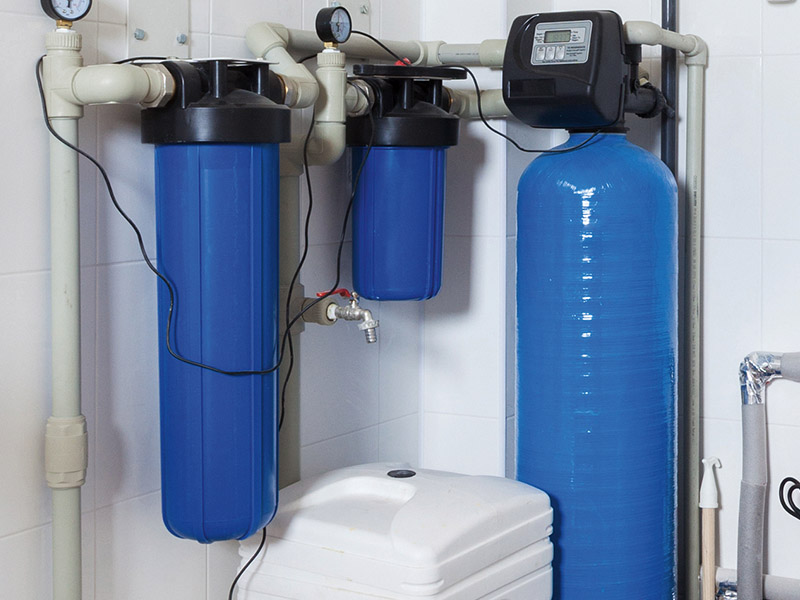
Whole-House Water Filtration vs. Water Softeners: What’s the Difference?
If you're looking to improve the water quality in your home, two options come up often: whole-house water filtration and…
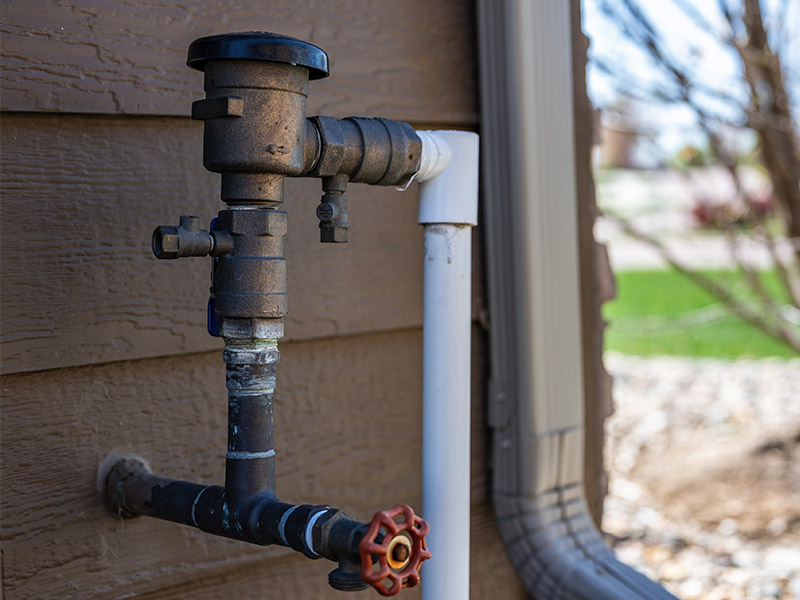
Do You Need Backflow Testing in Ann Arbor? A Guide for Local Property Owners
Backflow prevention may sound like a commercial plumbing issue, but many homes in Ann Arbor have backflow preventers that require…
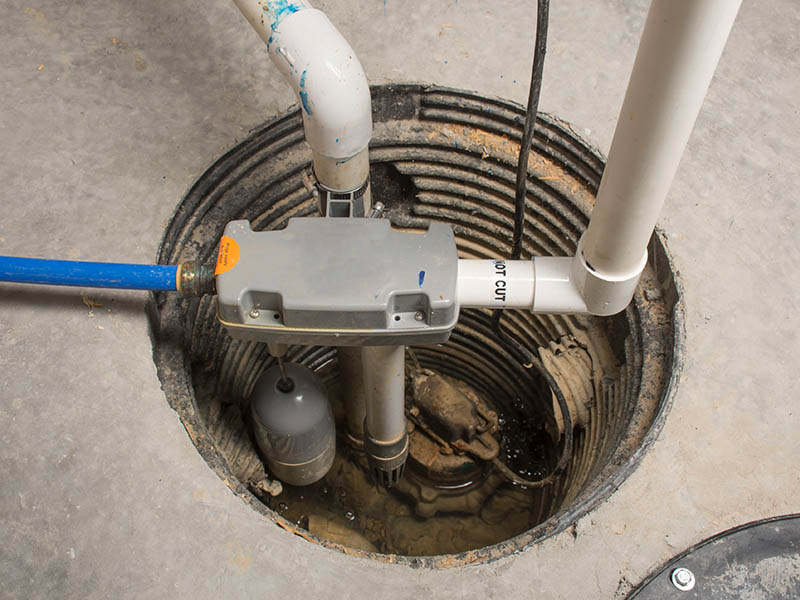
7 Sump Pump Warning Signs Ann Arbor Homeowners Should Know
Regular sump pump maintenance in Ann Arbor can help homeowners identify problems before severe weather puts the system to the…