Do You Need Backflow Testing in Ann Arbor? A Guide for Local Property Owners
Backflow prevention may sound like a commercial plumbing issue, but many homes in Ann Arbor have backflow preventers that require testing as well. These devices help protect your drinking water when certain plumbing systems create a risk of contaminated water flowing backward into your home’s water supply.
The real question is whether your home needs backflow testing, how often it applies, and what to do if the city contacts you. Understanding the basics can help you protect your water supply and respond to local requirements with confidence.
What Backflow Is and Why It Matters
Your plumbing system is designed to move clean water from the public supply into your home. Backflow occurs when water reverses direction and moves toward the drinking water supply instead. That reversal can happen because of backsiphonage, backpressure, or another pressure change within the plumbing system.
How Cross Connections Create Risk
A cross connection is a point where potable water can meet water or substances that shouldn’t enter the drinking water system. The City of Ann Arbor identifies a garden hose as a common residential example. If a submerged hose experiences a pressure drop, contaminated liquid could be pulled backward through it.
Backflow prevention devices interrupt that pathway. Some are simple devices used on hose connections, while others are testable assemblies installed on systems that present a greater risk. The protection your home needs depends on how the plumbing is connected and what type of cross-connection is present.
Do You Need Backflow Testing in Ann Arbor?
You may need backflow testing in Ann Arbor, but there isn’t one schedule that applies to every homeowner. Testing depends on the type of assembly, the connected system, the level of risk, and the requirements of the local cross-connection control program.
If the City contacts you about backflow certification, testing, or inspection, treat the notice as property-specific. If you aren’t sure which device it refers to, a qualified plumber can help you locate the assembly and determine what service is needed.
When a City Notice Should Prompt a Service Call
Keep the notice available when you schedule service so your plumber can see what the City is requesting. That helps you book the right type of appointment.
If you recently bought the home, you may not have complete plumbing records. Older irrigation, heating, or sump backup equipment may include a backflow assembly you haven’t dealt with before.
Residential Systems That May Need Backflow Protection
You don’t need to memorize plumbing codes to recognize systems that deserve a closer look. Start by identifying places where your drinking water piping connects to equipment, outdoor water systems, or other sources that could introduce non-potable water.
Backflow protection may be associated with residential systems such as:
- Built-in irrigation and sprinkler systems
- Hot water boilers or hydronic heating
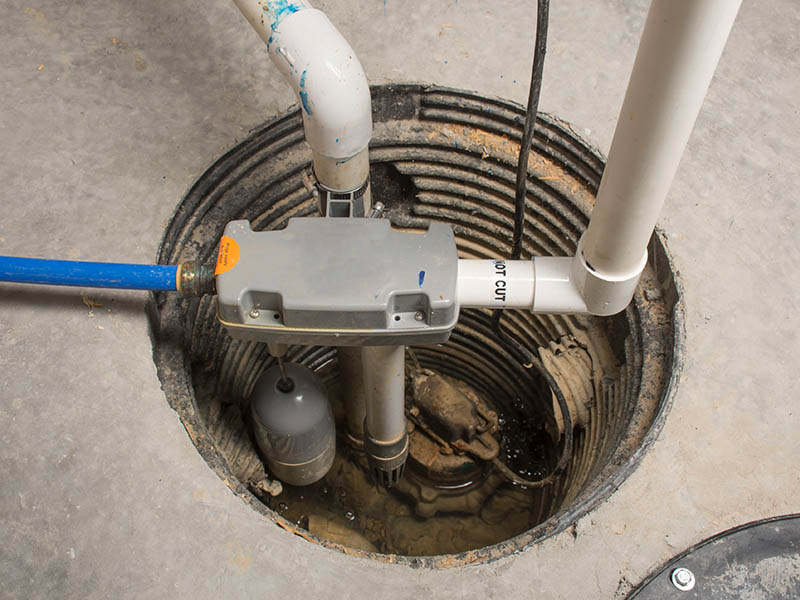
- Water-powered sump pump backups
- In-ground pools and some fill connections
- Private wells near household plumbing
- Outdoor hose connections exposed to contaminants
Having one of these systems doesn’t mean you need the same device or testing frequency as another homeowner. The correct protection depends on the actual plumbing arrangement, so an evaluation can clarify the setup before you pay for testing or repairs.
Water-Powered Sump Backups Have a Clear Local Requirement
Ann Arbor specifically states that backflow prevention devices serving water-powered backup sump systems, including RPZ valves, must be tested by a licensed certified plumber and inspected by the City every three years. If your backup sump system operates using municipal water pressure, this is one maintenance requirement you shouldn’t overlook.
The sump pump can work normally even when the related backflow assembly is due for testing. Check your records for the most recent test or inspection date.
What Happens During Backflow Testing?
Backflow testing involves more than checking whether a valve looks clean or leak-free. Testable assemblies contain internal components that must respond correctly under specific pressure conditions. A qualified tester uses approved procedures and testing equipment to determine whether the assembly is functioning as intended.
Michigan requires accepted backflow assembly testing to be completed by appropriately credentialed professionals. EGLE also requires testable assemblies to be tested after installation, repair, or relocation, plus any recurring frequency set by the manufacturer or local water system.
Those requirements create a few common testing triggers:
- Installation of a new testable assembly
- Repair of an existing assembly
- Relocation or reinstallation of the device
What Happens if the Assembly Fails
A failed test doesn’t automatically mean you need a complete replacement. Depending on the condition of the assembly, a plumber may be able to repair serviceable components and then retest the device to confirm that it operates correctly.
Replacement may be better when the assembly is badly damaged, obsolete, incorrectly installed, or impractical to repair. We can explain the condition and your options so you can make an informed decision.
What You Can Check Before Scheduling Service
You shouldn’t disassemble or field-test a backflow assembly yourself, but you can gather useful information before your appointment. A few basic checks can make the service visit more efficient.
Before calling for backflow testing, you can:
- Keep any City notice or certification request handy.
- Identify connected systems such as irrigation or a sump backup.
- Locate the assembly if you can do so safely.
- Check records for prior testing, repairs, or installation.
- Note visible leaks, corrosion, discharge, or altered piping.
You can also reduce common cross-connection risks around outdoor faucets. Keep hoses out of pools, buckets, utility sinks, and containers that hold fertilizers or chemicals. If a hose vacuum breaker is installed, check that it hasn’t been removed or visibly damaged.
Backflow Testing, Inspection, and Certification Aren’t the Same
Testing, inspection, and certification are related steps, but they aren’t interchangeable. Testing checks whether a testable assembly performs correctly. An inspection can verify the plumbing arrangement and installed protection, while certification or reporting documents that the required work has been completed.
Why the Difference Matters for Your Appointment
Knowing the difference helps you ask the right questions when you schedule service. Depending on the notice or device, a plumber may perform the test and documentation while the City handles a separate inspection or recordkeeping step.
If you’re responding to an Ann Arbor notice, follow its instructions rather than assuming every backflow appointment includes the same tasks. That keeps the process focused on your property.
When to Call Before You Receive a Notice
You don’t have to wait for a city letter if you’re unsure about your home’s backflow protection. Consider an evaluation after buying a home, remodeling plumbing, installing irrigation, changing a boiler or sump backup, or finding an older assembly with no service history.
You should also call if you notice leaking or discharge around an RPZ assembly, damage from freezing, modified piping, or a device that was recently repaired or relocated. Those conditions can affect whether the assembly needs service or retesting.
Backflow Protection Isn’t Water Treatment
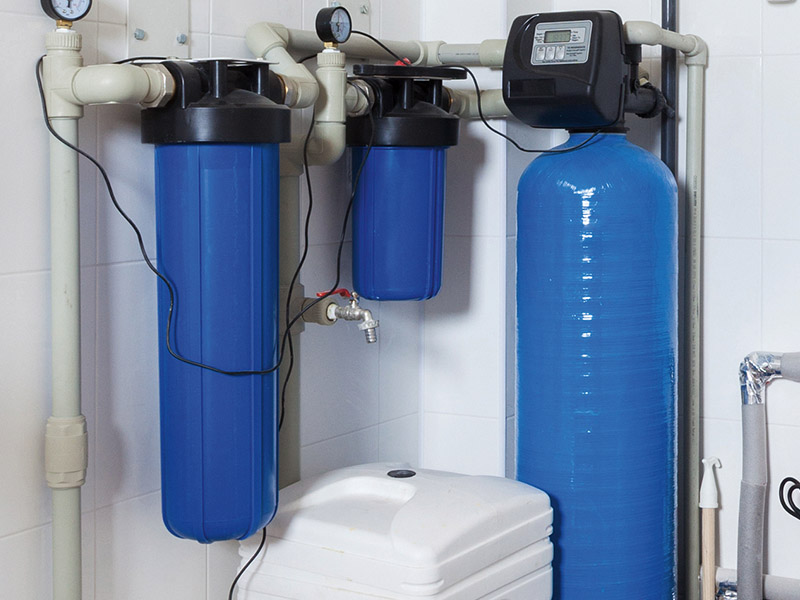
Backflow prevention and water treatment solve different problems. A filter or treatment system can address water quality goals such as taste, odor, hardness, or certain contaminants, but it doesn’t replace required backflow protection. Likewise, a backflow preventer helps stop reverse flow, but it doesn’t filter your everyday water supply.
If you have both backflow and water quality concerns, we can help you address them separately. That way, your plumbing gets the right protection while your water treatment needs are handled with the appropriate equipment.
How Z PLUMBERZ Helps Ann Arbor Homeowners
Z PLUMBERZ provides backflow testing, device installation, repair, and replacement. Our licensed, trained plumbing professionals can identify the assembly, evaluate the surrounding plumbing, and determine the next step.
Backflow Service With Full-System Plumbing Support
A backflow issue doesn’t always exist in isolation. It may be connected to irrigation, heating, sump protection, or another part of your home’s plumbing. Because we provide full-service plumbing support, we can look beyond the test result when the surrounding system also needs attention.
We’ll explain what we find in straightforward terms so you understand whether the device needs testing, repair, replacement, or another evaluation. If you also have water quality concerns, our water treatment expertise can help you address those separately without confusing filtration with backflow protection.
Schedule Backflow Testing in Ann Arbor With Confidence
If you have a testable backflow assembly, a city notice, or a water-powered sump backup, confirm what your property requires before a deadline becomes a problem. Review your records, identify the connected system, and arrange qualified service when testing is due.
Z PLUMBERZ gives you a local resource for backflow testing, plumbing repairs, and water treatment needs. We’ll help you understand your system and choose a practical next step for your home. Contact Z PLUMBERZ today to schedule backflow testing or request a plumbing evaluation in Ann Arbor.
Expert Tips
Whole-House Water Filtration vs. Water Softeners: What’s the Difference?
If you're looking to improve the water quality in your home, two options come up often: whole-house water filtration and…
8 Signs of a Hidden Water Leak in Your Ann Arbor Home
Not every plumbing leak creates an obvious puddle. Water can escape behind a wall, beneath a floor, above a ceiling,…
7 Sump Pump Warning Signs Ann Arbor Homeowners Should Know
Regular sump pump maintenance in Ann Arbor can help homeowners identify problems before severe weather puts the system to the…