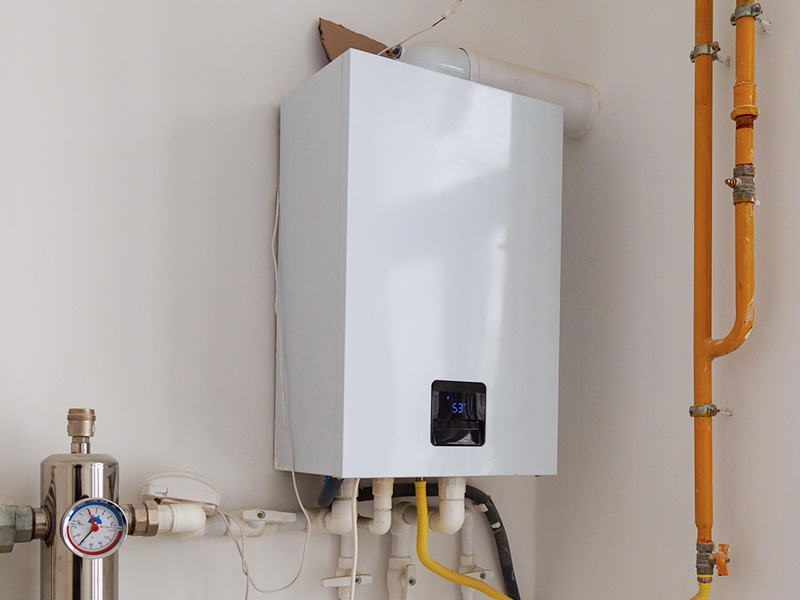
Backflow Preventers in Livingston Homes: How They Work & When You Need Testing
Book today with Z PLUMBERZ of Livingston.
Clean drinking water is something you depend on every day, but you may not realize how easily it can become contaminated if your plumbing system isn’t properly protected. A backflow preventer is one of the most important safety devices in your home, preventing polluted water from flowing into your potable water supply when pressure changes occur.
Whether you already have a backflow prevention device or you’re wondering if your home needs one, understanding how these systems work can help you protect your family and avoid costly plumbing problems. You’ll learn how backflow occurs, when testing is required, what warning signs to watch for, and why Z PLUMBERZ is the trusted choice for homeowners in Livingston.
What Is a Backflow Preventer?
A backflow preventer is a specialized plumbing device that allows water to flow in only one direction. Its primary purpose is to stop contaminated water from reversing into your home’s clean water supply when water pressure suddenly changes.
Under normal conditions, water enters your home from the municipal water system and flows toward your faucets, showers, toilets, and appliances. However, if pressure in the public water main drops unexpectedly, water can begin moving in the opposite direction. This reversal is known as backflow.
Without a properly functioning backflow preventer, contaminated water from irrigation systems, garden hoses, pools, boilers, or other plumbing connections could enter your drinking water. That contamination may include bacteria, fertilizers, pesticides, chemicals, or wastewater.
Several plumbing fixtures and systems around your property can create opportunities for backflow if they aren’t properly protected. The most common include:
- Lawn irrigation systems
- Garden hoses connected to chemical sprayers
- Swimming pools and hot tubs
- Boilers and hydronic heating systems
- Water treatment equipment
- Fire sprinkler systems
Backflow prevention isn’t only about protecting your household. These devices also help protect the community’s public water supply. If contaminated water enters municipal lines from one property, neighboring homes could potentially be affected.
Understanding the purpose of a backflow preventer is the first step toward keeping your home’s water safe. Once you know why it’s necessary, it becomes much easier to recognize why regular testing and maintenance are equally important.
How Does a Backflow Preventer Work?
Although several types of backflow preventers are available, they all perform the same essential function: preventing water from flowing backward.
Inside each assembly are precision-engineered components that automatically respond to changes in water pressure. Depending on the design, these may include spring-loaded check valves, pressure-sensitive chambers, relief valves, and tightly sealed internal mechanisms.
When your home’s water pressure remains higher than any connected plumbing system, water flows normally through the device with very little restriction. If pressure suddenly drops because of a water main break, nearby firefighting activity, heavy municipal water demand, or significant plumbing repairs, the internal valves immediately close.
Instead of allowing contaminated water to reverse direction, the device blocks the flow and, in some assemblies, safely discharges water through a relief valve.
Atmospheric Vacuum Breakers
These are typically installed on hose bibs and outdoor faucets. They’re simple devices that prevent contaminated water from being siphoned backward through a garden hose.
Pressure Vacuum Breakers
Pressure vacuum breakers are commonly used on irrigation systems. They protect sprinkler systems from allowing contaminated groundwater or fertilizer-laden water into the drinking water supply.
Double Check Valve Assemblies
These assemblies use two independent check valves to provide reliable protection for lower-risk applications. They’re often installed where moderate protection is required.
Reduced Pressure Zone (RPZ) Assemblies
Often called RPZ valves, these provide the highest level of protection for residential systems with elevated contamination risks. Their built-in relief valve offers an additional layer of safety if either check valve fails.
Choosing the correct backflow preventer depends on your home’s plumbing configuration, local regulations, and the level of protection your property requires. A licensed plumber can determine which device best meets your needs while ensuring it complies with local codes.
What Causes Backflow?
Understanding what causes backflow makes it easier to appreciate why prevention devices are so important.
Backflow generally occurs because of one of two situations: back siphonage or back pressure.
Back siphonage happens when pressure inside the municipal water system suddenly drops below the pressure inside your home’s plumbing. Water naturally flows toward the lower-pressure area, pulling contaminants backward if no prevention device is installed.
Back siphonage is most often caused by events such as:
- Water main breaks
- Fire hydrant use
- Municipal water line repairs
- Heavy neighborhood water demand
- Emergency utility work
Back pressure occurs when pressure inside your plumbing system becomes greater than the incoming municipal supply. Boilers, pumps, elevated water storage tanks, and certain water treatment systems can all generate enough pressure to reverse water flow.
Common sources of back pressure include:
- Boiler systems
- Water pumps
- Elevated storage tanks
- Irrigation booster pumps
- Certain water treatment systems
While these events don’t happen every day, they often occur without warning. Since you usually won’t notice pressure changes while they’re happening, your backflow preventer quietly performs its job behind the scenes. Without it, contaminated water could enter your household plumbing before you even realize a pressure problem exists.
When Does Your Home Need Backflow Testing?
Installing a backflow preventer isn’t the end of the story. Like every mechanical plumbing component, it requires routine testing to confirm it’s still operating correctly.
Many municipalities require annual testing for residential properties with irrigation systems, fire suppression systems, or other high-risk plumbing connections. Local regulations vary, so it’s important to understand the requirements that apply to your property.
Annual testing is commonly required or recommended for homes with:
- Underground irrigation systems
- Fire sprinkler systems
- Specialized water treatment equipment
- Boiler systems with cross-connections
- Other plumbing systems identified by local regulations
Even if testing isn’t legally required, regular inspections remain one of the smartest ways to protect your drinking water.
Backflow preventers contain moving parts that experience normal wear over time. Mineral deposits, debris, corrosion, aging seals, and damaged springs can all reduce performance without creating obvious symptoms.
A certified backflow test involves specialized equipment that measures pressure differentials and confirms every internal valve operates correctly. The technician verifies that check valves seal properly, relief valves activate when necessary, and the assembly meets required performance standards.
If the device fails testing, repairs or replacement can usually restore proper protection before contamination becomes a concern. Routine testing also helps you avoid unexpected repair costs because catching a worn seal or weakened spring early is often much less expensive than replacing the entire assembly.
Signs Your Backflow Preventer Needs Professional Service
Because most backflow preventers operate silently, problems often go unnoticed until a professional inspection reveals them. Fortunately, there are several warning signs you shouldn’t ignore.
If you notice any of the following issues, it’s time to schedule a professional inspection:
- Water leaking around the backflow assembly
- Reduced water pressure
- Rattling, humming, or banging noises
- Visible corrosion or mineral buildup
- Freeze damage
- A failed annual backflow test
One of the most common indicators is visible leaking around the assembly. Although some devices may release a small amount of water during normal operation, continuous dripping or excessive discharge usually signals worn internal components.
Reduced water pressure is another warning sign. If your irrigation system suddenly performs poorly or water flow throughout your home seems weaker than usual, the backflow preventer could be partially obstructed or malfunctioning.
Unusual noises often indicate damaged springs or valves that are struggling to open and close properly. Likewise, corrosion, mineral buildup, or freeze damage can compromise the assembly’s ability to protect your drinking water.
Even if everything appears normal, a failed certified inspection means the device isn’t providing the protection it should. Addressing these issues promptly helps extend the life of your plumbing system while keeping your household water supply safe.
Why Professional Backflow Services Matter
Although experienced homeowners can handle some plumbing repairs, backflow prevention isn’t one of them.
Proper installation, maintenance, repairs, and testing require specialized training, calibrated testing equipment, and a thorough understanding of local plumbing codes. Even small installation errors can reduce the effectiveness of the entire assembly.
Professional plumbers know how to select the appropriate device based on your home’s plumbing configuration, identify hidden cross-connections, and verify that every component meets current safety standards.
Routine maintenance also helps maximize the lifespan of your backflow preventer. Cleaning internal components, replacing worn seals, repairing damaged valves, and performing scheduled inspections all contribute to reliable long-term performance.
Certified testing also helps ensure your home remains compliant with local regulations. Instead of waiting until a plumbing emergency develops, proactive maintenance gives you confidence that your home’s water supply remains protected throughout the year.
Protect Your Water Supply with Help from Z PLUMBERZ
Your backflow preventer plays a vital role in protecting both your home’s drinking water and your family’s health. Understanding how it works, recognizing the warning signs of trouble, and scheduling routine testing can help you avoid costly repairs while ensuring your plumbing system continues operating safely.
Our team at Z PLUMBERZ proudly provides Livingston homeowners with expert backflow testing, installation, repairs, plumbing services, and water treatment solutions. We combine years of experience with industry-leading practices to keep your plumbing system safe, compliant, and dependable. If it’s time for your annual backflow test or you have questions about protecting your home’s water supply, contact us today to schedule your plumbing service.
Expert Tips
Low Water Pressure in Your Livingston Home? Why It’s a Sign You Need a Plumber
A water pressure change can point to a clogged fixture, hidden leak, aging pipe, faulty valve, or damaged water line.…
Spring Plumbing Checklist: 7 Things Livingston Homeowners Should Do Before Summer
Before summer gets fully underway in Livingston, Michigan, your plumbing deserves a closer look. A quick spring plumbing checkup is…
Is It Time to Switch to a Tankless Water Heater?
If your hot water keeps running out or your utility bills continue to rise, it may be time to consider…