DIY vs. Professional Plumbing: A Shreveport Homeowner’s Guide
Book today with Z PLUMBERZ of Shreveport.
Plumbing issues have a way of appearing when you least expect them. When something goes wrong, you’re faced with a familiar decision: take care of it yourself or call a professional plumber.
Online tutorials can make plumbing repairs seem simple, and sometimes they are. But there’s a big difference between tightening a loose faucet handle and fixing a leak behind a wall. Plumbing systems are complex, mostly hidden, and under pressure. A repair that looks easy on the surface can quickly turn into something far more serious if you don’t fully understand what’s happening beneath the fixtures you see.
That’s why it’s so important to know when a DIY approach is safe—and when it’s time to call Z PLUMBERZ of Shreveport. This guide walks you through the difference, helping you protect your home, your budget, and your peace of mind.
Understanding What Really Counts as DIY Plumbing
There are genuine do-it-yourself plumbing tasks that you can safely handle without any professional training. These tend to be small, low-risk repairs that don’t require opening walls, working with pressurized lines, or dismantling major plumbing components.
For example, you can typically replace a showerhead, clean a clogged aerator, or use a plunger to clear a simple blockage. You can also perform basic home maintenance, like tightening loose visible connections or cleaning mineral buildup from fixtures. These tasks help keep your plumbing system running smoothly and don’t carry much risk.
However, even the simplest plumbing issue may be hiding something deeper. A kitchen sink leak might come from a worn washer—or it could be a sign of corroded pipes behind the cabinet. A toilet that won’t stop running may need a new flapper, or it may be struggling under excessive water pressure. Without the right tools or diagnostic experience, it’s difficult to know with certainty.
Before you start any plumbing repair, it’s always smart to consider three things:
- Complexity: Will this repair require you to take apart major components or deal with pressurized lines?
- Tools: Do you have the proper tools—not improvised ones—for a clean, secure repair?
- Risk: What happens if the repair doesn’t go as planned? Could it lead to leaks, flooding, or damage behind walls?
If you hesitate at any of these questions, it’s a sign that calling a professional is the better choice.
Why DIY Plumbing Mistakes Can Become Costly Problems
While DIY plumbing has its place, it also comes with risks—far more than most homeowners realize. Plumbing systems are designed to handle pressure, temperature changes, and water flow in precise ways. When repairs are done incorrectly, you may not see the consequences immediately, but you will feel them later.
A common DIY issue is overtightening. Homeowners often assume tighter is better, but overtightening can crack fittings, stretch threads, or warp seals. These small damages can create slow leaks that remain hidden for months, slowly soaking into floors, cabinetry, or drywall.
Another mistake many homeowners make is relying on chemical drain cleaners to clear clogs. While these products offer quick results, they also corrode pipes—especially older metal ones found in many Shreveport homes. They can weaken joints and seals, and they rarely address the actual cause of recurring clogs.
Using the wrong materials is another trap. Connecting copper to galvanized steel without the right coupling, for example, accelerates corrosion and can lead to premature pipe failure. Long term, these mistakes cost far more than a professional repair would have.
On top of that, DIY plumbing doesn’t take local plumbing codes into account. Certain repairs—especially anything involving venting, drainage, or water heater connections—must meet local regulations to keep your home safe and ensure insurance coverage remains valid. Doing unpermitted or non-code-compliant work can lead to costly issues during future home inspections or insurance claims.
Many of the professional repairs performed by Z PLUMBERZ of Shreveport involve fixing or undoing well-intentioned DIY attempts. Calling the pros sooner usually saves time, money, and stress.
When You Should Call a Professional Plumber Instead of DIY
There are plumbing issues that should never be handled without professional training. These situations involve risk, specialized equipment, or potential damage that goes beyond what you can see.
If you encounter these types of problems, contacting Z PLUMBERZ of Shreveport right away is the best decision you can make:
Consistent or Persistent Clogs
If you clear a clog and it comes back repeatedly, it’s not a simple blockage. It often points to a deeper obstruction, a restricted pipe, or even a sewer line issue.
Whole-Home Low Water Pressure
A single fixture with low pressure is one thing, but low pressure throughout the home can indicate leaks, corrosion, or pressure regulator failure.
Water Heater Problems
These units involve electricity, gas lines, and scalding water. DIY adjustments can be dangerous both for you and your home.
Sewage Odors or Backups
This is a sign of venting issues or blockages in the sewer line. It’s unsanitary, hazardous, and requires immediate professional attention.
Hidden or Structural Leaks
Water stains, peeling paint, or warped flooring often mean a leak is happening behind a wall or under a floor.
Unexplained Increase in Water Bills
If your bill spikes with no extra usage, you likely have a hidden leak somewhere in the system.
These issues cannot be solved effectively without professional diagnostics. Plumbers use pressure-testing tools, sewer cameras, leak detection systems, and hydrojetting equipment—resources not available in a typical household.
Remember, calling the experts isn’t about losing control—it’s about protecting your home.
Why Shreveport Homeowners Trust Z PLUMBERZ
When you need help, you want more than a temporary fix. You want expertise, honesty, and long-term solutions. That’s what makes Z PLUMBERZ of Shreveport the plumbing company homeowners trust.
Our licensed technicians understand the unique plumbing challenges in Shreveport—aging infrastructure in historic neighborhoods, soil conditions that affect underground pipes, and the strain seasonal weather changes place on plumbing systems. We bring advanced diagnostic tools and years of experience to every job, ensuring accurate solutions that last long after the repair is done.
You can always expect:
- Clear communication
- No-surprise pricing
- Respect for your home and schedule
- Code-compliant repairs
- Solutions that prioritize longevity and safety
Our team doesn’t just patch a problem—we identify the cause, repair the issue, and help you prevent it from coming back.
Protect Your Home by Knowing When to Call the Experts
Some plumbing tasks are perfect for DIY. Others are best left to trained professionals. Knowing the difference is key to keeping your home safe and avoiding costly damage.
When small problems persist, when a repair feels overwhelming, or when something doesn’t seem right, that’s your sign to step back and call Z PLUMBERZ of Shreveport. Schedule your service today and keep your plumbing system working exactly as it should.
Expert Tips
Why Whole-Home Water Filtration Makes Sense for Shreveport Homes
A whole-home water filtration system is designed to address these concerns and improve water at the point where it enters…
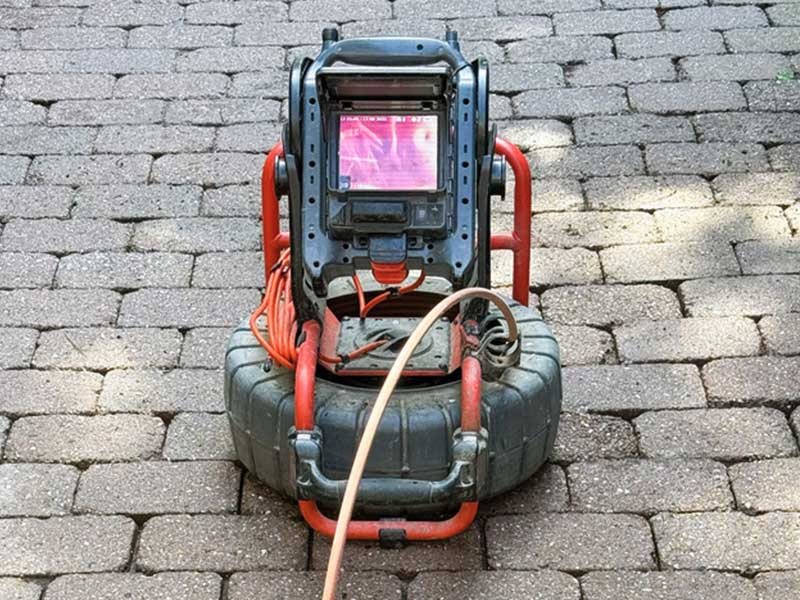
Sewer Line Inspections in Shreveport, LA: A Smart Way to Prevent Costly Plumbing Problems
Unfortunately, when a sewer line fails, it doesn’t do so quietly. Backups, foul odors, yard damage, and major repair bills…
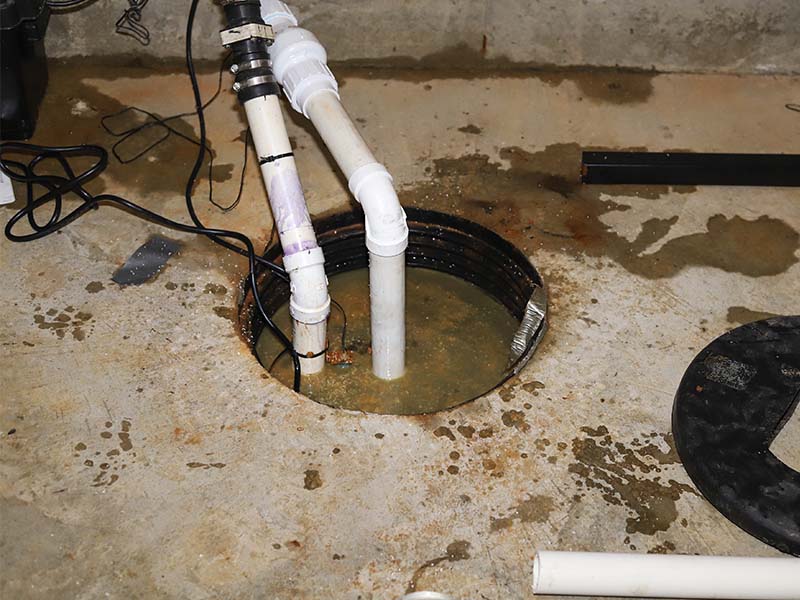
Why Sump Pumps Are Essential for Protecting Against Water Damage
A professionally installed sump pump system is one of the most reliable ways to protect your Shreveport home from costly…