Your water bill suddenly increased, but nothing about your household routine has changed. You aren’t doing extra laundry, taking longer showers, or using more water outdoors. When your water usage and your monthly bill don’t match, it’s often a sign that water is escaping somewhere it shouldn’t.
Hidden leaks are among the most costly plumbing problems homeowners face—not because they’re difficult to repair, but because they often go unnoticed for weeks or even months. By the time the damage becomes visible, water may have already affected walls, flooring, insulation, or even your home’s structure.
Knowing the warning signs of a hidden plumbing leak can help you act early and avoid expensive repairs.
What Makes a Hidden Leak Different?
Unlike a dripping faucet or a running toilet, hidden leaks occur out of sight. They can develop inside walls, beneath floors, above ceilings, or underneath your home’s foundation. Because there’s often no visible puddle or obvious water source, these leaks can continue causing damage long before they’re discovered.
A small leak inside a wall may release only a few drops at a time, but those drops soak into surrounding materials day after day. Moisture spreads through insulation, drywall, wood framing, and flooring, creating the perfect conditions for mold growth and structural deterioration.
Homes throughout the Shreveport area can be especially vulnerable as plumbing systems age. Older copper and galvanized steel pipes, particularly those installed decades ago, are more likely to corrode over time. Combined with Louisiana’s wet and dry soil cycles, aging plumbing systems can develop leaks gradually without any immediate warning.
Common Signs of a Hidden Leak
A hidden leak rarely announces itself directly. Instead, homeowners usually notice a combination of subtle warning signs.
Watch for:
- A higher-than-normal water bill with no increase in water usage
- Peeling paint, bubbling wallpaper, or discolored drywall
- Persistent musty odors in rooms, hallways, or closets
- Mold or mildew growth in unexpected locations
- Flooring that feels soft, uneven, warped, or unusually warm
- Reduced water pressure throughout the home
- The sound of running water when no fixtures are being used
While any one of these issues may have another explanation, multiple symptoms appearing together often indicate a plumbing leak that requires professional attention.
Where Hidden Leaks Are Most Likely to Occur
Understanding where leaks commonly develop can help narrow down the source of the problem.
Inside Walls and Ceilings
Many of your home’s plumbing lines travel through wall cavities and ceiling spaces. Supply lines, drain pipes, and plumbing connections behind sinks, tubs, and showers all create potential leak points.
A loose fitting, deteriorating supply line, or damaged drain connection can allow water to escape slowly into surrounding building materials. Because the water stays hidden inside the wall, most homeowners don’t notice a problem until secondary symptoms start showing up, such as staining, mold growth, or peeling paint.
Second-story bathrooms deserve special attention. Water from an upstairs leak often travels downward before becoming visible, making the source difficult to identify without professional leak detection equipment.
Beneath the Concrete Slab
Slab leaks are a common plumbing issue in many older Shreveport homes.
When a water line develops a leak beneath a concrete foundation, the water can’t easily surface through the slab itself. Instead, it migrates outward beneath flooring materials and foundation structures.
Common signs of a slab leak include:
- Warm spots on tile or hard flooring
- Damp or discolored carpet
- Buckling or lifting floors
- Cracks developing in flooring materials
- A faint hissing or running-water sound beneath the floor
Because slab leaks occur beneath the foundation, professional leak detection is usually required to locate the exact source.
Around Appliances and Fixtures
Not every hidden leak occurs inside a wall or beneath a slab. Some develop behind appliances where homeowners rarely look.
Check periodically around:
- Washing machines
- Dishwashers
- Refrigerators with water lines
- Water heaters
- Bathroom vanities
- Utility sinks
A slow leak from a supply line or connection can cause extensive damage before it becomes visible from the front of the appliance.
A Simple Two-Step Leak Test You Can Perform
If you suspect a hidden leak, your water meter can help confirm it. Follow these steps to help you check if your suspicions are correct.
Step 1: Check for Unexplained Water Usage
Turn off all water-using fixtures and appliances throughout your home, including:
- Faucets
- Toilets
- Ice makers
- Dishwashers
- Washing machines
- Irrigation systems
Locate your water meter and record the reading. Wait approximately 30 minutes without using any water.
Step 2: Compare the Reading
Return to the meter and check the reading again. If the number has changed, water’s moving through your plumbing system when it shouldn’t be.
While this is a great step that you can take on your own, it doesn’t reveal every hidden leak. It’s always best to reach out to a licensed plumber for thorough leak detection and solutions that last.
The Real Cost of Ignoring a Hidden Leak
Every week that a hidden leak goes undetected, the damage becomes more extensive, and the repair costs increase.
One of the first concerns is mold growth. In Shreveport’s humid climate, excess moisture inside walls can create mold issues surprisingly quickly. Once mold spreads beyond the original leak area, remediation costs can increase significantly.
Structural damage often follows. Drywall, subflooring, insulation, and wooden framing materials weaken when exposed to prolonged moisture. What starts as a simple plumbing repair can eventually require wall reconstruction, flooring replacement, or structural repairs.
There’s also the ongoing financial impact of wasted water. Even a small leak can waste hundreds of gallons each month, leading to unnecessarily high utility bills.
How Professional Leak Detection Works
Finding a hidden leak without opening walls unnecessarily requires specialized equipment and experience.
Professional plumbers use several diagnostic methods, including:
- Moisture meters to identify elevated moisture levels behind surfaces
- Pressure testing to locate supply line leaks
- Acoustic listening equipment that detects escaping water
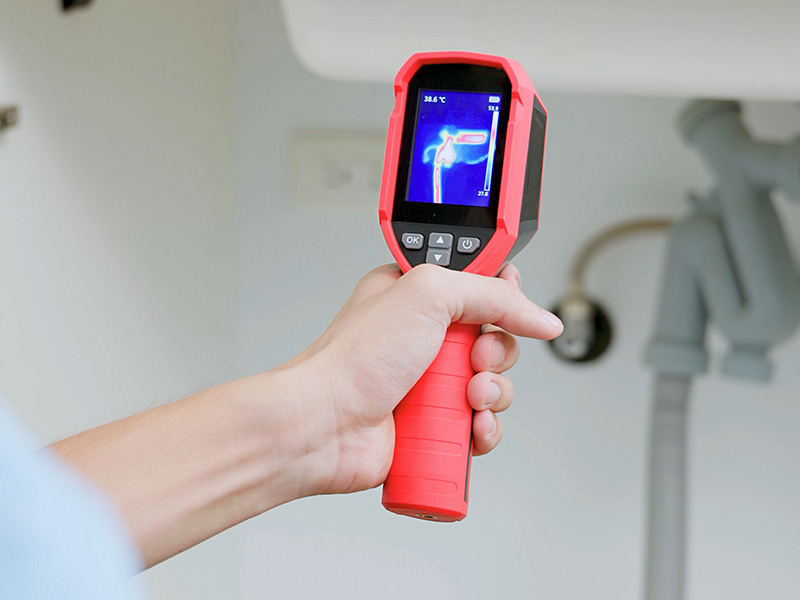
- Thermal imaging technology in certain situations
- Systematic plumbing inspections to isolate problem areas
These tools help pinpoint the source of the leak accurately, allowing repairs to remain as targeted and cost-effective as possible.
At Z PLUMBERZ of Shreveport, our leak detection process focuses on identifying the exact source before repair work begins, helping homeowners avoid unnecessary disruption and expense.
Schedule Hidden Leak Detection with Z PLUMBERZ of Shreveport
A hidden leak won’t resolve itself. Every day it continues, it can cause additional damage to your home while increasing your water bill.
If you’ve noticed rising utility costs, unexplained moisture, mold growth, water stains, or the sound of running water when everything’s turned off, professional leak detection can provide answers before the problem becomes more serious.
Z PLUMBERZ of Shreveport provides expert leak detection and repair services for homeowners throughout the area. Our team uses advanced diagnostic equipment to locate hidden leaks quickly and recommend the most effective repair solution.
If you’ve found a leak or suspect one, book one of our plumbers today to get it fixed fast.
Expert Tips
Sewer Line Clogs vs. Sewer Line Damage: How to Tell the Difference
A slow drain might seem like a minor inconvenience, but when several drains start acting up at once, the problem…
How Professional Leak Detection Helps Prevent Costly Water Damage
Professional leak detection helps you find the source of a leak sooner so you can take action before the damage…
How to Choose the Best Emergency Plumber in Shreveport, LA
Speed matters during a plumbing emergency but choosing the first name you see online isn’t always your best move.