Why Is My Water Pressure Suddenly Low? Common Causes in Shreveport Homes
Book today with Z PLUMBERZ of Shreveport.
You turn on the shower expecting a steady stream of water, but instead, you’re met with a weak trickle. Maybe your kitchen faucet takes longer to fill a pot, or your washing machine isn’t filling as quickly as usual. When your home’s water pressure suddenly drops, even simple daily tasks can become frustrating.
Low water pressure in Shreveport homes can result from several issues, including clogged fixtures, faulty valves, aging pipes, and hidden plumbing leaks. Understanding the possible causes can help you recognize when a simple adjustment might solve the problem and when it’s time to call a professional plumber.
What Causes Sudden Low Water Pressure in Your Home?
Your plumbing system relies on adequate water pressure to deliver water to faucets, showers, and appliances. When something restricts the flow or reduces the available supply, you may notice weaker performance throughout your home.
One of the first things to consider is whether the problem affects a single fixture or multiple areas. If your bathroom faucet produces a weak stream while the kitchen sink works normally, the problem may involve a clogged aerator, partially closed valve, or worn fixture component.
When several fixtures lose pressure simultaneously, the cause may be more extensive. Problems with your main water supply, pressure regulator, or interior piping can affect water delivery throughout your house.
The timing matters, too. A sudden pressure drop may point toward a supply interruption or plumbing malfunction, while gradually weakening water flow can indicate developing restrictions inside your pipes.
Clogged Faucet Aerators and Showerheads
Mineral deposits and sediment can gradually accumulate inside faucet aerators and showerheads, restricting the amount of water that passes through. Aerators are small screens attached to faucet openings that help regulate water flow and reduce splashing.
When debris collects inside these components, the stream may become noticeably weaker or uneven. You might also notice your showerhead spraying in unusual directions or producing less water than normal.
If the problem affects just one fixture, try these simple checks:
- Inspect the aerator. Look for visible sediment or mineral buildup.
- Clean removable components. Rinse away debris according to the manufacturer’s instructions.
- Examine the showerhead. Check for blocked spray openings.
- Test the water flow. See whether cleaning restores normal performance.
Avoid forcing components that appear stuck or corroded, as doing so could damage the connection. If cleaning doesn’t improve water flow, the restriction may be farther inside your plumbing system.
Hidden Plumbing Leaks Can Reduce Water Pressure
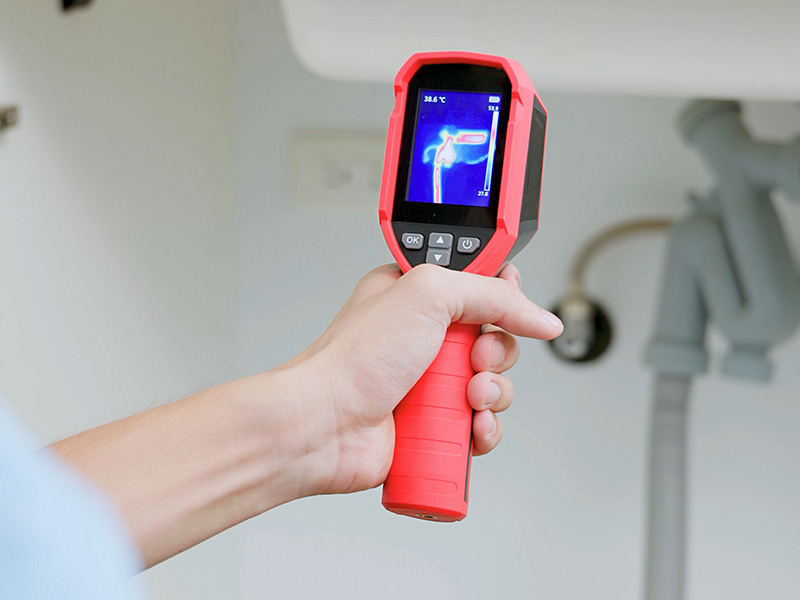
If your water pressure drops without an obvious fixture problem, a damaged supply pipe may be allowing water to escape before it reaches your faucets. While some leaks are immediately noticeable, others develop behind walls, beneath floors, or underground.
These hidden problems can remain undetected until you experience changes in water flow or discover moisture damage. Small leaks don’t always cause noticeable pressure changes, but larger leaks or damaged supply lines can significantly affect water delivery.
Warning Signs of a Hidden Leak
Not every plumbing leak produces visible puddles or dripping water. Recognizing less obvious symptoms can help you identify a potential problem before it causes extensive property damage.
Watch for these warning signs:
- Unexpected increases in your water bill
- Damp walls, ceilings, or flooring
- Musty odors in normally dry areas
- Running water sounds when fixtures are off
- Unexplained wet patches in your yard
- Water meter activity when water isn’t being used
For example, if your shower pressure suddenly decreases while part of your yard remains unusually wet, an underground water supply leak could be responsible. Professional leak detection can help locate concealed damage and determine which repairs are necessary.
Problems With Your Main Water Shutoff Valve
Your home’s main water shutoff valve controls the water entering your plumbing system. If it isn’t fully open, it may restrict the amount of water reaching your fixtures and reduce flow throughout your house.
This sometimes happens after plumbing repairs or maintenance when a valve isn’t returned to its original position. Older valves can also develop internal wear or corrosion that interferes with water delivery.
Checking Your Main Shutoff Valve
Locate your main water shutoff valve, which may be near your water meter, where the supply line enters your house, or inside a utility area. If you’re familiar with the valve and can operate it safely, check whether it’s fully open.
Different valve designs operate differently, so don’t assume every valve uses the same turning mechanism. Never force a stuck or heavily corroded valve, as doing so could cause damage or create a leak.
If the valve appears damaged or won’t move normally, a professional plumber can inspect it. Depending on its condition, repair or replacement may be necessary to restore proper water flow.
A Faulty Water Pressure Regulator
Some homes have a pressure-reducing valve, commonly called a water pressure regulator, installed along the main water supply line. This device helps maintain appropriate pressure as water enters your plumbing system.
When a regulator malfunctions, you may experience unusually weak flow, inconsistent pressure, or unexpected fluctuations. These changes can affect several fixtures rather than one individual faucet.
However, pressure fluctuations don’t necessarily mean your regulator is defective. Supply restrictions and municipal water issues can produce similar symptoms, making proper testing necessary.
A professional plumber can measure your water pressure and inspect the regulator to determine whether it needs adjustment or replacement. Confirming the cause before making repairs helps avoid unnecessary expenses.
Aging or Corroded Water Supply Pipes
Over time, plumbing pipes can deteriorate, particularly in older homes with outdated materials. Galvanized steel pipes, for example, are susceptible to internal corrosion that gradually narrows the space available for water to pass through.
As corrosion and deposits accumulate, the restricted passage reduces the amount of water your plumbing can deliver. You may notice that your shower becomes particularly weak when someone turns on another faucet or starts a water-using appliance.
Although corrosion typically develops gradually, the resulting flow problems may become more noticeable as restrictions worsen. Depending on the condition of your plumbing, targeted pipe repairs may be sufficient, while extensive deterioration could require replacing affected sections.
A professional inspection can help determine the extent of the damage and identify an appropriate solution. Addressing deteriorating pipes can improve water delivery while reducing the likelihood of additional plumbing problems.
Municipal Water Supply Issues in Shreveport
Sometimes, the source of your low water pressure isn’t inside your home. Municipal water systems can experience temporary interruptions caused by water main breaks, maintenance work, equipment problems, or changes in demand.
These situations may affect several properties in the same neighborhood. If your water pressure drops throughout the house without obvious plumbing symptoms, it’s worth checking whether the issue extends beyond your property.
Ask nearby neighbors whether they’re experiencing similar pressure problems and check official City of Shreveport water service announcements for reported interruptions. If multiple homes are affected, the problem may originate within the public water distribution system.
However, if your neighbors have normal water pressure, the issue may involve your individual service connection or private plumbing. Knowing whether the problem is isolated can help you determine whether to contact your water utility or a local plumber.
How to Troubleshoot Low Water Pressure Before Calling a Plumber
Once you’ve considered the common causes, a few additional checks can help you narrow down the problem. Although these steps won’t diagnose every plumbing issue, they can provide useful information before a professional inspection.
Test Hot and Cold Water Separately
Check whether the pressure changes when using hot water, cold water, or both. If only the hot water is affected, the issue may involve your water heater, hot-water piping, or a related valve.
When both hot and cold water have weak flow, the cause may involve a shared supply component. Avoid attempting water heater repairs yourself, particularly when electrical or gas components may be involved.
Observe When the Pressure Drops
Pay attention to whether the problem occurs continuously or only when multiple fixtures are operating. For example, flow that drops significantly when your washing machine fills may indicate a restriction or insufficient supply capacity.
Record when these changes occur and whether normal flow returns afterward. These details can help your plumber identify patterns and narrow down the possible causes.
Check Your Water Meter for Unexplained Usage
If you suspect a hidden leak, turn off all faucets and make sure water-using appliances aren’t running. Check whether your water meter continues registering consumption while everything is off.
Continued activity may indicate water escaping somewhere in the system, although additional testing may be necessary. Don’t open walls or excavate buried pipes yourself, since professional diagnostic methods can help locate concealed problems more safely.
When Is Low Water Pressure a Plumbing Emergency?
Not every pressure problem requires immediate service. A clogged faucet aerator, for example, generally isn’t as urgent as a broken water supply line.
However, certain situations warrant prompt professional attention, especially when reduced pressure occurs alongside other signs of plumbing damage.
Seek immediate assistance if you experience:
- Sudden pressure loss accompanied by flooding
- Significant or rapidly worsening water leaks
- Complete water loss without a reported utility interruption
- Water damage spreading through walls or flooring
If you discover active water damage, shut off your main water supply if it’s safe to do so. Keep away from flooded areas where electrical hazards may be present, and contact a professional plumber for assistance.
Addressing serious plumbing problems quickly can help limit property damage and prevent additional complications. Even if some water still reaches your fixtures, a significant leak shouldn’t be left unattended.
How Professional Plumbers Restore Water Pressure
Because several plumbing issues can produce similar symptoms, accurate diagnosis is essential for finding a lasting solution. A professional plumber can evaluate your water pressure, inspect accessible valves and fixtures, and look for signs of supply restrictions or other problems.
Depending on the findings, further testing may be necessary to locate the underlying issue. This approach helps ensure that repairs address the actual cause rather than temporarily improving the symptoms.
Z PLUMBERZ of Shreveport provides plumbing services for problems ranging from weak water flow to damaged supply pipes and emergency leaks. We assess your plumbing to identify what’s affecting water delivery before recommending an appropriate repair.
Whether you need a fixture adjustment, leak repair, or more extensive pipe work, we’ll explain your options and help you make an informed decision. Our goal is to restore reliable water flow while addressing conditions that could lead to recurring problems.
Preventing Future Water Pressure Problems
Although some plumbing failures happen unexpectedly, routine maintenance can help you identify developing issues before they cause major disruptions. Paying attention to changes in your plumbing system can also help you recognize problems that might otherwise go unnoticed.
Clean faucet aerators and showerheads periodically to reduce sediment buildup, and inspect exposed plumbing connections for moisture or corrosion. These simple habits can help you maintain reliable fixture performance and recognize visible signs of wear.
It’s also helpful to monitor unexplained changes in water usage or pressure. If your home has older pipes or an unfamiliar plumbing history, consider scheduling a professional inspection to assess their condition.
You don’t need to wait until water flow becomes unusable to investigate a potential problem. Recognizing changes early can help you address minor issues before they require more extensive repairs.
Get Your Water Pressure Back to Normal With Z PLUMBERZ of Shreveport
Sudden low water pressure can disrupt your routine and sometimes indicate a more serious plumbing problem. Whether the cause is a clogged fixture, malfunctioning regulator, or hidden pipe leak, identifying it early can help prevent unnecessary damage and expense.
Z PLUMBERZ of Shreveport offers professional plumbing inspections, leak repairs, pipe services, and emergency assistance to help keep your home’s water flowing reliably. Our team can diagnose the problem, explain your options, and recommend a solution suited to your plumbing system.
Don’t let weak water pressure become a bigger problem. Contact Z PLUMBERZ of Shreveport today to schedule professional plumbing service and restore dependable water flow throughout your home.
Expert Tips
Hydro Jetting vs. Traditional Drain Cleaning: Which Method Works Best?
Two common professional solutions are hydro jetting and traditional drain cleaning. Although both can restore drainage, they work differently and…
Sewer Line Clogs vs. Sewer Line Damage: How to Tell the Difference
A slow drain might seem like a minor inconvenience, but when several drains start acting up at once, the problem…
How Professional Leak Detection Helps Prevent Costly Water Damage
Professional leak detection helps you find the source of a leak sooner so you can take action before the damage…