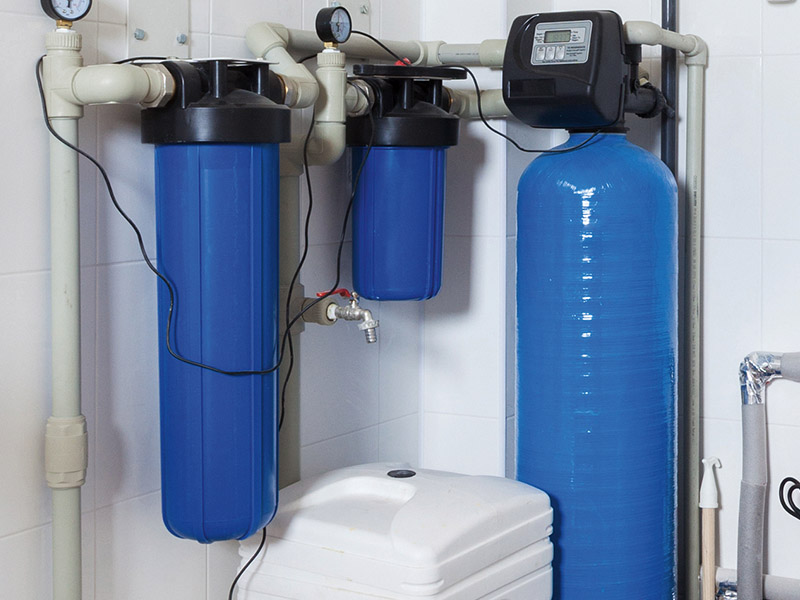
5 Most Common Toilet Issues That Require a Plumber
When it comes to toilet issues, the situation can escalate fast. What starts as an occasional clog in your toilet, a strange noise after flushing, or water collecting near the base can quickly turn into water damage, rising utility bills, or major plumbing repairs. Because toilets connect directly to your home’s drainage system, ongoing issues often point to larger plumbing concerns that shouldn’t be ignored.
Knowing when to call a professional plumber can help you avoid costly damage and keep your plumbing system working properly. Here are five of the most common toilet problems homeowners experience and why professional repairs matter.
1. Recurring Toilet Clogs
An occasional clog is common, especially in busy households. However, if your toilet backs up repeatedly, there’s usually a deeper issue affecting the plumbing system. Constant plunging may temporarily clear the blockage, but it often fails to solve the actual cause of the problem.
Common Causes of Repeated Clogs
Many recurring clogs develop because non-flushable materials become trapped inside the drain line. Flushable wipes, paper towels, cotton products, and excessive toilet paper can slowly restrict water flow and create stubborn blockages.
In some cases, the problem has nothing to do with what’s being flushed. Older toilets may not generate enough flushing power to move waste efficiently through the pipes. Sewer line obstructions, mineral buildup, and tree root intrusion can also create recurring drainage problems throughout the home.
You may notice:
- Water rising unusually high before draining
- Gurgling noises after flushing
- Slow drainage in nearby sinks or tubs
- Sewage odors near bathroom drains
- Multiple plumbing fixtures backing up at once
Store-bought drain cleaners and plungers only address surface-level problems. If your toilet continues backing up despite repeated plunging, professional drain cleaning services can help remove stubborn blockages safely and restore proper drainage before the problem escalates.
2. Water Leaking Around the Toilet Base
Water around the bottom of your toilet should never be ignored. Even small leaks can gradually damage flooring, subfloors, drywall, and nearby structures without obvious signs at first. Because bathroom moisture often spreads beneath the surface, hidden water damage can continue for weeks before becoming noticeable.
What Causes Toilet Base Leaks?
One of the most common causes is a deteriorating wax ring seal beneath the toilet. This seal prevents water and sewer gases from escaping where the toilet connects to the drainpipe. Over time, movement, aging materials, or improper installation can weaken the seal and allow water to leak during flushing.
Loose bolts, cracked porcelain, damaged supply lines, and condensation buildup can also contribute to moisture around the fixture.
Left untreated, moisture may contribute to:
- Soft or warped flooring
- Mold and mildew growth
- Musty odors
- Damaged drywall or baseboards
- Structural deterioration beneath the bathroom floor
Simply tightening bolts or wiping away water rarely solves the underlying issue. Homeowners experiencing hidden plumbing leaks may also benefit from professional leak detection services to identify moisture problems before structural damage worsens.
3. Constantly Running Toilets
A toilet that never stops running can waste a significant amount of water every day. While the sound may seem like a minor annoyance, continuous water flow often increases utility bills and places unnecessary strain on your plumbing system.
Why Toilets Continue Running
Several internal tank components control the flushing and refilling process. When one of these parts wears out or malfunctions, water may continue flowing from the tank into the bowl long after flushing.
Common causes include:
- Worn flappers
- Faulty fill valves
- Improper float positioning
- Mineral buildup inside the tank
- Deteriorated seals and gaskets
Many homeowners don’t realize how much water a running toilet wastes until they receive a higher-than-normal water bill. Even a slow leak inside the tank can waste hundreds of gallons each month if the issue remains unresolved.
While replacing a flapper may seem simple, running toilet problems can involve multiple failing components. Professional toilet repair services can help restore water efficiency and prevent unnecessary strain on your plumbing system.
4. Weak or Incomplete Flushing
A toilet should clear waste quickly and efficiently with a single flush. If flushing becomes weak, incomplete, or inconsistent, there’s likely an issue affecting water flow or drainage performance.
Homes with hard water commonly experience mineral buildup inside toilet rim jets and internal water passages. As these deposits accumulate, less water enters the bowl during flushing, reducing flushing pressure over time.
Problems inside the toilet tank can also reduce flushing efficiency. Damaged flappers, malfunctioning fill valves, and improperly adjusted floats may prevent the toilet from delivering enough water during each flush cycle.
Signs You Need Professional Inspection
You should schedule plumbing service if you notice:
- Frequent double flushing
- Slow bowl drainage
- Incomplete waste removal
- Bubbling sounds after flushing
- Water backing up into nearby fixtures
Weak flushing isn’t always caused by the toilet itself. Partial drain blockages, venting problems, or developing sewer line issues may interfere with proper wastewater movement and cause slow flushing performance. If poor flushing performance is connected to a larger drainage issue, professional sewer cleaning services may be necessary to restore proper wastewater flow.
5. Toilets That Rock or Feel Unstable
A toilet should remain completely stable when used. If the fixture rocks, shifts, or moves slightly, there’s likely a problem beneath the base that requires attention. Many homeowners overlook this issue because the toilet may still function normally, but movement often indicates hidden plumbing or flooring damage.
Loose Toilets Can Break the Seal
Even minor movement places pressure on the wax ring seal beneath the toilet. As the seal weakens, water may begin leaking below the fixture every time the toilet flushes. Over time, this hidden moisture can damage subflooring and weaken the bathroom structure.
An unstable toilet sometimes signals rotting wood or water damage beneath the floor surface. Soft flooring around the base often develops after long-term moisture exposure from unnoticed leaks.
Tightening mounting bolts may temporarily reduce movement, but it usually doesn’t address the actual cause. Professional plumbers can remove the toilet safely, inspect the flooring and flange connection, and repair any hidden damage contributing to the instability.
Addressing a loose toilet early helps prevent larger structural repairs and protects your bathroom from ongoing water exposure.
Get Toilet Repairs That Last
Toilet problems can disrupt your daily routine quickly, especially when leaks, clogs, or flushing issues continue getting worse over time. While some problems may seem minor initially, many toilet issues point to deeper plumbing concerns that require professional diagnosis and repair.
Homeowners throughout the Ann Arbor area trust Z PLUMBERZ for reliable toilet repair services and plumbing solutions. Our experienced plumbers use advanced tools and proven repair methods to identify plumbing problems accurately and restore proper performance throughout your home.
If you’re experiencing urgent backups or overflowing fixtures, our emergency clogged drain and toilet repair services can help restore your plumbing quickly and safely.
Expert Tips
5 Signs Your Garbage Disposal Needs Repair or Replacement
Knowing what different symptoms mean can help you decide whether you’re dealing with a repair or whether garbage disposal replacement…
Fall Plumbing Checklist for Ann Arbor Homeowners: What to Do Before the First Freeze
Use this fall plumbing checklist to work through the parts of your home that deserve attention before the first freeze,…
Whole-House Water Filtration vs. Water Softeners: What’s the Difference?
If you're looking to improve the water quality in your home, two options come up often: whole-house water filtration and…