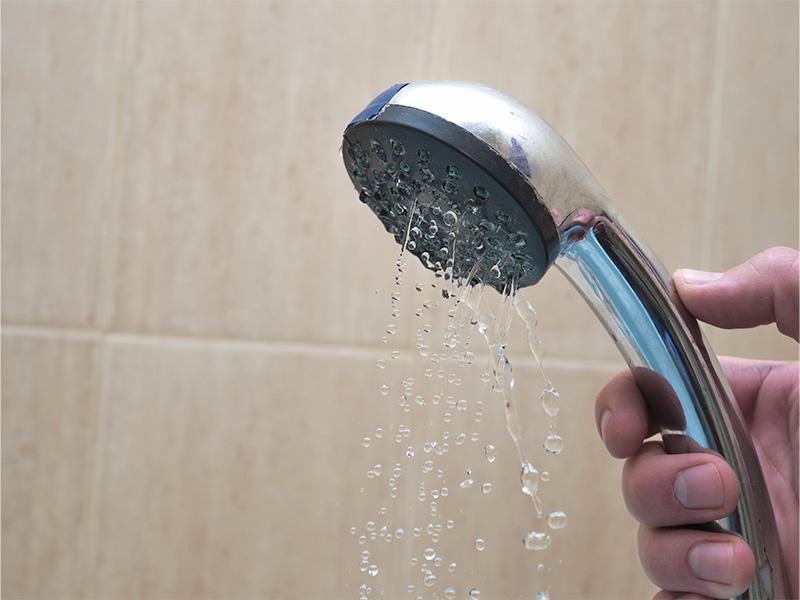
Signs of Hard Water in Your Home and How to Address Them
Book today with Z PLUMBERZ of Shreveport.
White residue around your faucets, cloudy drinking glasses, and stubborn soap scum might seem like unrelated household annoyances. However, they can all point to the same underlying issue: hard water.
Hard water contains naturally occurring minerals that can affect everything from your daily cleaning routine to the performance of your plumbing system. While some effects are mostly cosmetic, prolonged mineral buildup can create maintenance concerns that deserve attention.
Knowing what causes hard water, how to recognize its effects, and when to seek professional help can make it easier to protect your plumbing and choose the right solution for your home.
What Is Hard Water, and What Causes It?
Hard water contains elevated concentrations of dissolved minerals, primarily calcium and magnesium. These minerals enter the water supply as water moves through soil and rock formations, and their concentrations vary depending on the water source and surrounding geology.
Unlike dirt or sediment, these minerals are dissolved in the water, so you generally won’t see them flowing from your faucet. Their effects become more noticeable when water evaporates or is heated, leaving deposits behind on surfaces and inside certain plumbing components.
Why Hard Water Can Be a Plumbing Concern
Minerals in hard water can form deposits known as limescale. This buildup commonly develops on plumbing fixtures and inside equipment that regularly heats water, where deposits can accumulate over time.
As mineral accumulation increases, it may restrict water flow, interfere with plumbing components, and reduce heating efficiency. Hard water isn’t generally considered a health hazard, and its presence doesn’t automatically mean your plumbing system is damaged. However, persistent buildup can create maintenance problems that become more difficult to address if left unattended.
7 Common Signs of Hard Water in Your Home
Hard water often leaves clues in areas where you regularly use water. Some are immediately noticeable, while others develop gradually as mineral deposits accumulate.
Although these symptoms can have several causes, recurring issues throughout your home may indicate that professional water hardness testing would be worthwhile.
1. White, Chalky Buildup Around Faucets and Showerheads
One of the most recognizable signs of hard water is a white or off-white crust around plumbing fixtures. When mineral-rich water evaporates, calcium compounds can remain on the surface, gradually forming hardened deposits.
Common locations include:
- Faucet openings and handles
- Showerhead nozzles
- Sink drains
- Bathtub spouts
Beyond affecting appearance, heavy mineral buildup can interfere with fixture performance. If deposits accumulate inside a showerhead or faucet aerator, you may eventually notice uneven water distribution or reduced flow from the affected fixture.
2. Cloudy Glassware and Spots on Dishes
If your drinking glasses look cloudy after going through the dishwasher, hard water could be contributing to the problem. As water dries, dissolved minerals can leave spots or a thin film on glassware, silverware, and dishes.
Hard water can also affect how well certain cleaning products perform, making it more difficult to achieve spotless results. However, mineral residue isn’t the only possible explanation. Dishwasher settings, detergent issues, and permanent glass etching can produce similar appearances, so persistent spotting should be considered alongside other potential signs of hard water.
3. Soap Scum That Keeps Returning
Hard water can make bathroom cleaning more frustrating because calcium and magnesium react with ingredients in traditional soaps. This reaction produces a residue commonly known as soap scum, which can collect on shower doors, bathtub walls, and sink surfaces.
You might notice that the film returns shortly after cleaning or becomes increasingly difficult to remove. Hard water can also reduce how easily some soaps produce lather, potentially increasing the amount of product needed for washing. Although these effects are common indicators of mineral-rich water, they don’t establish the exact hardness level without testing.
4. Laundry That Feels Stiff or Looks Dull
The quality of your household water can influence how clothing and towels look and feel after washing. Hardness minerals may interfere with detergent performance and contribute to residue remaining in fabrics, making towels feel rougher and certain clothing items appear less vibrant.
You may also notice that your laundry doesn’t feel as clean as expected, even after a normal wash cycle. These changes aren’t necessarily caused by hard water, since excess detergent, washing machine maintenance issues, and normal fabric wear can produce similar results. When laundry problems occur alongside visible mineral accumulation, however, water hardness becomes worth investigating.
5. Reduced Water Flow From Plumbing Fixtures
Mineral deposits can gradually narrow openings inside faucets, showerheads, and certain plumbing components. For example, a showerhead that previously delivered an even spray may begin producing irregular streams as scale develops around its outlets.
In more severe cases, mineral accumulation inside water-carrying pipes may contribute to flow restrictions. However, reduced water flow can also result from leaks, partially closed valves, deteriorating pipes, or other plumbing problems. A professional inspection can help identify the actual cause rather than assuming mineral buildup is responsible.
6. Water Heater Performance Problems
Water heaters can be particularly susceptible to mineral accumulation because heating water encourages certain dissolved minerals to form scale. In traditional storage water heaters, deposits can collect near the bottom of the tank or around heating components, potentially interfering with heat transfer.
Depending on the equipment and severity of buildup, you may notice:
- Rumbling or popping noises
- Inconsistent hot water delivery
- Longer heating or recovery times
- Reduced heating efficiency
These symptoms can also indicate mechanical issues or aging components, so they shouldn’t automatically be attributed to hard water. A professional inspection can help determine whether mineral accumulation, equipment wear, or another problem needs attention.
7. Soap That Doesn’t Rinse Away Easily
Hard water can also affect how your skin and hair feel after bathing. Because dissolved minerals interact with certain soap ingredients, you may notice reduced lather or a lingering residue after rinsing.
Some people describe their hair as feeling coated or their skin as less comfortable after washing. However, these experiences vary depending on personal care products and individual characteristics, making them unreliable indicators of water hardness on their own. If you’re experiencing these issues alongside visible scale buildup, a professional assessment can provide a clearer understanding of your water conditions.
How Hard Water Can Affect Your Plumbing Over Time
The visible signs of hard water can be inconvenient, but mineral accumulation may also affect components you can’t easily inspect. Your plumbing system relies on valves, fixtures, pipes, and water-heating equipment working properly, and scale buildup can gradually interfere with their normal operation.
Increased Maintenance and Component Wear
Mineral deposits can accumulate around moving parts, narrow internal passages, and make certain plumbing components harder to operate. For example, buildup around a faucet cartridge or valve may affect its function, while water-using appliances can require additional maintenance when scale interferes with internal components.
The extent of these problems depends on water hardness, equipment design, and how frequently the system is used. Not every home with hard water will experience significant damage, but ongoing accumulation can increase maintenance needs over time.
Higher Water Heating Costs
Scale buildup can act as a barrier between heating surfaces and the surrounding water, making heat transfer less effective. Depending on your water heater’s design and the severity of accumulation, the equipment may consume additional energy to provide the same amount of hot water.
The financial impact varies, but untreated deposits can contribute to higher operating expenses over time. If your water heating costs are increasing without an obvious explanation, a professional evaluation can help determine whether equipment condition or mineral accumulation is playing a role.
How Professional Water Hardness Testing Works
Because many hard water symptoms resemble other plumbing problems, visual evidence alone can’t establish what’s happening in your water supply. Professional testing provides measurable information about mineral concentration and helps determine whether water treatment would be beneficial.
A thorough assessment considers both the condition of your water and the specific plumbing problems you’re experiencing, allowing recommendations to be based on your home’s actual needs.
Evaluating Your Water Supply and Plumbing Concerns
A professional water assessment generally starts with reviewing the problems you’ve experienced and learning more about your water source. The condition of your fixtures, water heater, and existing treatment equipment can provide useful context for interpreting the results.
An assessment may involve:
- Reviewing your water source
- Identifying affected plumbing fixtures
- Checking existing treatment equipment
- Selecting appropriate sampling locations
These observations help establish which tests are suitable and whether separate plumbing problems require further investigation. They also help distinguish water quality concerns from mechanical issues that may need repairs.
Measuring Water Hardness Levels
A qualified plumbing or water treatment professional can collect water samples and measure hardness using an appropriate method, such as chemical titration or laboratory analysis. These methods determine the concentration of hardness-causing minerals and provide a more reliable assessment than judging water quality by appearance.
Water hardness is typically reported in milligrams per liter (mg/L), expressed as calcium carbonate, or grains per gallon (GPG). The U.S. Geological Survey uses four general classifications:

These classifications provide a useful reference for interpreting mineral concentrations, but they don’t automatically establish whether your plumbing needs treatment or repairs. The condition of your equipment and the problems you’re experiencing also matter when determining the appropriate next steps.
What Your Test Results Can Tell You
Once testing is complete, a professional can explain how your water’s mineral concentration relates to the problems you’ve experienced. Higher hardness levels generally increase the potential for scale formation, particularly in equipment that heats water, although operating temperatures and water usage also influence buildup.
Results can also reveal when another issue deserves attention. If your water has relatively low hardness despite recurring plumbing problems, further inspection may be needed to identify restrictions, equipment malfunctions, or other contributing factors. This helps ensure recommendations address the cause rather than just the symptoms.
Professional Solutions for Hard Water Problems
Addressing hard water isn’t always as simple as installing treatment equipment. The right approach depends on your test results, household water usage, existing plumbing conditions, and the severity of any mineral-related problems.
A professional evaluation helps distinguish between water that would benefit from treatment and plumbing components that already need maintenance or repair.
Water Softener Installation
Traditional water softeners reduce the calcium and magnesium responsible for water hardness. Most residential systems use ion exchange, a process that replaces hardness minerals with sodium or potassium ions, depending on the equipment and its configuration.
When properly sized and installed, a whole-house water softener can help reduce scale formation in plumbing fixtures, appliances, and water-heating equipment. Selecting the appropriate system requires considering both your household’s water demand and the characteristics of its water supply.
Important factors include:
- Measured water hardness
- Household water consumption
- Available installation space
- Equipment maintenance requirements
These considerations influence system capacity, placement, and ongoing operation. Professional guidance can help determine whether a water softener is suitable for your household and what type of equipment would meet your needs.
Water Conditioning and Scale Control
Some water treatment products are designed to reduce scale formation without substantially removing calcium and magnesium from the water. These systems are often marketed as water conditioners or scale-control devices, but their operation differs from traditional water softeners.
Their effectiveness depends on the specific technology and water conditions, so they shouldn’t be assumed to deliver identical results. A qualified professional can explain the differences and help you understand whether a particular approach is appropriate for the problems affecting your plumbing.
Plumbing Repairs and Water Heater Maintenance
Water treatment can help limit future mineral accumulation, but it won’t necessarily remove existing deposits or restore damaged components. If scale has already affected your plumbing, additional maintenance or repairs may be necessary.
For example, restricted fixtures may require professional servicing, while water heaters experiencing performance problems may need inspection or maintenance according to the manufacturer’s recommendations. Addressing existing plumbing concerns alongside water quality issues can provide a more complete solution than focusing on mineral concentration alone.
When Should You Contact a Professional Plumber?
Not every sign of hard water requires immediate plumbing service. However, persistent mineral accumulation becomes more concerning when it begins affecting how your fixtures or equipment operate.
You should consider professional attention when:
- Water flow continues to decline
- Hot water becomes increasingly unreliable
- Fixtures repeatedly develop restrictions
- Plumbing components stop functioning properly
- Existing treatment equipment develops problems
Changes that affect daily water use deserve more attention than occasional cosmetic residue. A plumber can investigate the affected components, identify necessary repairs, and help determine whether further water quality evaluation is appropriate.
For homeowners in Shreveport and Bossier City, water hardness can vary depending on the water source and supply conditions. Rather than assuming your home has a particular hardness level, professional testing can provide information specific to your property.
If you’re dealing with recurring mineral deposits alongside plumbing performance problems, Z PLUMBERZ of Shreveport can help evaluate the affected fixtures, water flow, or water heater. Identifying what’s causing the problem is the first step toward determining whether repairs or further assessment are needed.
Protect Your Home From Hard Water Problems With Z PLUMBERZ of Shreveport
Hard water can affect more than the appearance of your sinks and showerheads. As mineral deposits accumulate, they may interfere with plumbing fixtures, water-using appliances, and water heater performance.
Recognizing the warning signs helps you understand when professional attention may be necessary. With an accurate assessment of your plumbing and water conditions, you can make informed decisions about repairs, maintenance, and potential treatment options.
If recurring mineral buildup is affecting your plumbing, Z PLUMBERZ of Shreveport can help you address the problem. Contact us today to schedule a plumbing assessment and get the professional assistance you need to keep your home’s plumbing working properly.
Expert Tips
Water-Efficient Plumbing Upgrades That Can Help Lower Your Utility Bills
A few well-chosen plumbing upgrades can help your home use less water while keeping your daily routine just as convenient.
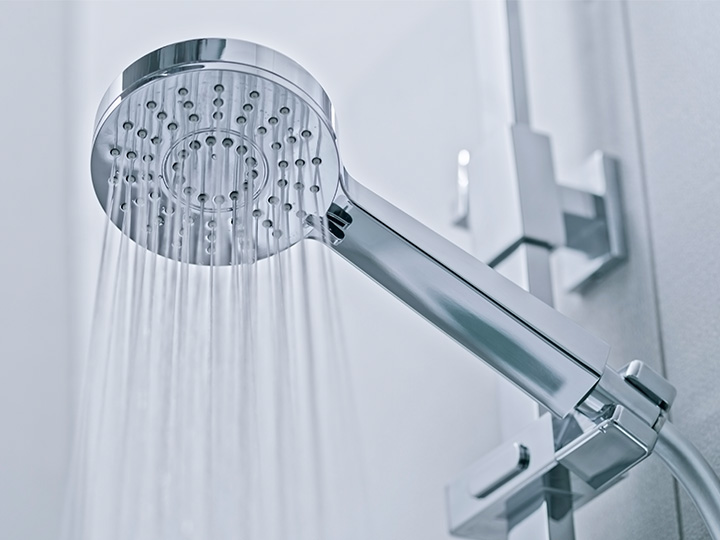
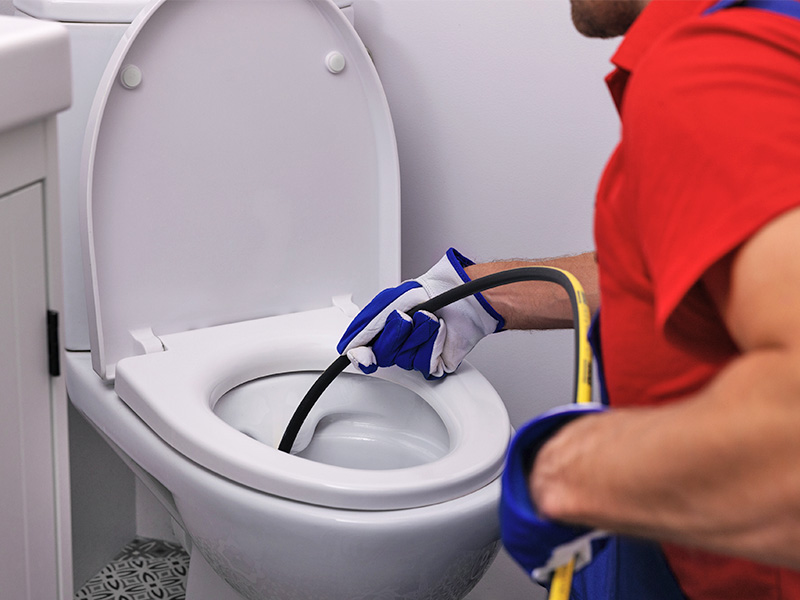
Hydro Jetting vs. Traditional Drain Cleaning: Which Method Works Best?
Two common professional solutions are hydro jetting and traditional drain cleaning. Although both can restore drainage, they work differently and…
Why Is My Water Pressure Suddenly Low? Common Causes in Shreveport Homes
Low water pressure in Shreveport homes can result from several issues, including clogged fixtures, faulty valves, aging pipes, and hidden…