Signs Your Home’s Plumbing System May Need Repiping
Book today with Z PLUMBERZ of Shreveport.
Your plumbing system works behind the scenes every day, carrying water to the faucets, showers, appliances, and fixtures you rely on. Because most of those pipes are hidden inside walls, under floors, or above ceilings, you may not think much about their condition until something goes wrong.
As pipes age or deteriorate, you may start noticing recurring leaks, water discoloration, changes in pressure, or other plumbing problems. Those warning signs don’t automatically mean you need repiping, but they can tell you it’s time for a closer look. Knowing what to watch for can help you address a developing problem before a more serious pipe failure disrupts your home.
What Does Repiping Mean?
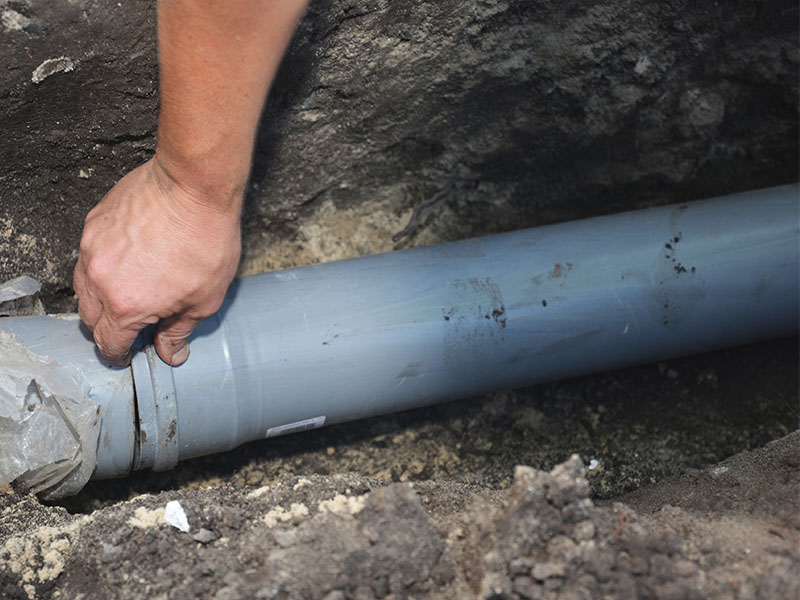
Repiping involves replacing some or all of the water supply piping in your home. How much pipe needs to be replaced depends on the condition of the existing system and whether the problem is limited to one area or affecting pipes throughout the property.
That distinction matters because a single plumbing problem doesn’t always point to a larger system issue. If one fitting develops a leak while the rest of your plumbing is in good condition, a targeted pipe repair may be all that’s necessary. If different sections continue developing leaks, corrosion, or restrictions, repairing one problem at a time may become less practical.
The goal isn’t to replace pipes unnecessarily. Instead, it’s to understand the condition of your plumbing system and determine whether repairing individual problem areas or replacing deteriorated piping offers the better long-term solution.
1. You’re Dealing With Frequent Pipe Leaks
A single leak can develop for many reasons and doesn’t necessarily indicate a larger plumbing problem. Repeated leaks in different parts of your home are more concerning because they can suggest that multiple sections of piping are beginning to deteriorate.
Pay attention to the pattern rather than focusing only on the most recent repair. Warning signs can include:
- Leaks developing along different plumbing lines
- Multiple pipe repairs within a relatively short period
- Small leaks appearing around several fittings or connections
- New leaks developing soon after another section was repaired
- Plumbing repair costs becoming increasingly frequent
If you’re repeatedly fixing weak sections of an older piping system, another repair may solve today’s problem without addressing tomorrow’s. That’s when it makes sense to have the condition of the plumbing system evaluated as a whole so you can understand whether continued repairs are still practical.
2. Your Water Is Rusty or Discolored
Brown, yellow, orange, or reddish water can sometimes point to corrosion somewhere in the plumbing system. As certain metal pipes deteriorate internally, rust and other deposits may affect the appearance of the water passing through them.
Before blaming the pipes, notice when the discoloration occurs. If only your hot water looks discolored, the issue may be connected to the water heater. If you’re seeing discoloration in both hot and cold water at several fixtures, the supply piping deserves closer attention.
Where and how often you notice the problem can help narrow down its source. Discoloration at one faucet could indicate a localized fixture or pipe issue, while a recurring problem at multiple faucets suggests a broader concern.
Temporary discoloration can also occur because of changes or work involving the public water supply. If the water continues to look unusual after running for a reasonable period, or the problem keeps returning, it’s worth having your plumbing checked.
Corrosion can affect more than appearance because deteriorating pipe walls may also become more vulnerable to leaks. When water discoloration occurs alongside other signs of aging plumbing, it adds another reason to evaluate the condition of the piping before the problem progresses.
3. Water Pressure Has Gradually Decreased Throughout Your Home
Low water pressure doesn’t automatically mean your pipes need replacement. A clogged aerator, fixture problem, valve issue, leak, or pressure-related problem elsewhere in the plumbing system can also reduce water flow.
The situation becomes more relevant to repiping when pressure has gradually declined across several areas of your home. Internal corrosion or mineral accumulation in older piping can restrict the amount of space available for water to flow.
You may notice symptoms such as:
- Several faucets producing weaker flow than they used to
- Shower pressure dropping noticeably when another fixture is used
- Water-using appliances filling more slowly
- Reduced flow affecting both hot and cold water
- Pressure problems occurring throughout the house rather than at one fixture
If only one faucet has weak flow, you may be dealing with a much simpler problem. Widespread pressure changes, especially when combined with corrosion or recurring pipe issues, are a stronger reason to have the plumbing system inspected so the underlying cause can be identified.
4. Exposed Pipes Show Signs of Deterioration
You can’t see most of the plumbing in your home, but exposed piping can provide useful clues. Check visible sections beneath sinks, near plumbing fixtures, in utility spaces, or anywhere else pipes are accessible without opening walls or ceilings.
Rust, staining, flaking, corrosion, mineral deposits, or persistent moisture around joints deserve attention. You may also notice buildup forming around a connection where a very small leak has been allowing water to evaporate.
Visible deterioration doesn’t prove that every pipe in your home is in the same condition, but it does give you a reason to look more closely, particularly if the plumbing is older or you’ve experienced problems in other areas. A professional evaluation can help determine whether the visible damage is isolated or whether similar deterioration may be affecting additional sections of the system.
5. You’re Finding Signs of Hidden Pipe Leaks
Some leaks stay concealed long enough that the first thing you notice isn’t the pipe itself, but a change in the materials around it. That makes hidden leaks a different concern from visible or recurring pipe failures.
You may notice signs such as:
- Water stains on walls or ceilings
- Bubbling or peeling paint
- Soft, warped, or damaged drywall
- Damp cabinetry or flooring
- Flooring that begins to swell or buckle
- A persistent musty odor near a plumbing line
One concealed leak doesn’t necessarily mean your entire plumbing system needs replacement. The bigger concern is when hidden leaks begin appearing in different areas, especially if your pipes are older or have already required repairs elsewhere.
Because concealed moisture can also damage drywall, flooring, cabinetry, insulation, and other materials, finding the source promptly matters. Once the leak is located, you can determine whether it’s an isolated repair or part of a larger piping problem that deserves further evaluation.
6. Your Plumbing System Is Getting Older
An older home doesn’t automatically need repiping. Pipe condition depends on more than the year the house was built, including the piping material, previous plumbing work, installation quality, water conditions, and how the system has been maintained.
Still, if you own an older property and don’t know whether the plumbing has ever been updated, it’s worth learning more about what’s behind the walls. Past renovations may also mean your home contains a mixture of older and newer pipes, so different sections of the system may be in very different condition.
Age becomes particularly relevant when it accompanies other warning signs. Older piping that continues working properly may simply need monitoring, while older piping that’s developing leaks, corrosion, or flow restrictions warrants a closer evaluation.
Understanding what type of pipes you have and their current condition can also help you plan ahead. You’ll be in a better position to make a thoughtful repair or replacement decision instead of having to make one quickly after a major failure.
7. Your Water Has Developed an Unusual Taste or Odor
A noticeable change in your water doesn’t always originate in the pipes. The water supply, water heater, individual fixtures, and other components can all affect taste or odor.
Start by paying attention to where the problem occurs. If it’s limited to one faucet, the source may be local to that fixture. If you notice the same change throughout the house, including at multiple hot and cold fixtures, the issue deserves further investigation.
Older or deteriorating plumbing may sometimes contribute to changes in water quality, but you shouldn’t assume pipe replacement is the solution without identifying the source first. Proper diagnosis matters because it helps you address the correct part of the plumbing system instead of treating only the symptom.
8. Plumbing Repairs Are Becoming a Regular Expense
There’s a point when the repair history of your plumbing system becomes just as important as the latest problem. One repair may be entirely reasonable, while several unrelated pipe repairs over a few years can tell a different story.
If you’re consistently paying to correct leaks, damaged fittings, corroded sections, or other pipe problems, it may be time to consider whether continuing with isolated repairs is still the best approach. The plumbing bill also isn’t always the only expense associated with a leak because repeated pipe problems may lead to drywall repairs, damaged flooring, cabinet work, repainting, or other restoration costs.
That doesn’t mean repiping will always be the more economical choice. It means you should consider the overall condition and repair history of the system rather than comparing a larger replacement project with the cost of a single service call.
An inspection can help you understand whether individual repairs are still addressing isolated issues or whether deteriorating piping is creating an ongoing cycle of problems. That broader view can make it easier to decide when continued repairs still make sense and when replacement deserves consideration.
Repairing vs. Repiping Your Plumbing System
Deciding between a pipe repair and broader replacement comes down largely to the extent of the problem. You want a solution that fits the actual condition of the system, not one that’s larger or smaller than necessary.
When a Pipe Repair May Be Enough
A targeted repair often makes sense when damage is limited to one area and the surrounding pipes remain in good condition. A leaking fitting, isolated damaged section, or another localized problem may be corrected without replacing piping elsewhere in your home.
Repair may also be the more practical choice when you haven’t experienced a pattern of corrosion, leaks, or other problems throughout the system. In that situation, correcting the specific defect can restore reliable plumbing without unnecessary work.
When Pipe Replacement May Make More Sense
Broader pipe replacement becomes worth considering when the problems are no longer isolated. Recurring leaks in separate locations, widespread deterioration, significant restrictions inside older pipes, or repeated repair expenses can indicate that more of the system is reaching the point where replacement should be discussed.
You don’t need to make that decision based on symptoms alone. We can evaluate the condition of your pipes and help you understand whether repairing the affected area or replacing deteriorated piping is the more appropriate next step.
What Happens When Plumbing Pipes Need to Be Replaced?
If pipe replacement is recommended, the first step is understanding which sections are affected. The scope can vary depending on your plumbing layout, the location of the existing lines, the type of piping, and the extent of deterioration.
A plumber may need access to pipes inside walls, ceilings, or other enclosed areas. Planning the work carefully helps identify where access is necessary and what you should expect before the project begins.
Before moving forward, ask questions such as:
- Which pipes need to be replaced?
- Which areas of the home will need to be accessed?
- Will the water need to be shut off during the work?
- What replacement piping is being recommended?
- Will walls or ceilings need to be opened?
- What restoration may be necessary afterward?
You should understand both the reason for the recommendation and what the project involves before work begins. Clear expectations can make a larger plumbing project much easier to manage and help you prepare your home for the work.
What Are the Benefits of Replacing Deteriorating Pipes?
When piping has genuinely reached the point where replacement makes sense, addressing it can solve more than one recurring plumbing problem. Depending on the condition of your existing system, replacing deteriorated sections may help:
- Reduce recurring leaks associated with damaged piping
- Restore water flow where restricted pipes are contributing to poor performance
- Remove severely corroded or deteriorated sections
- Reduce the need to keep repairing the same aging system
- Lower the risk of future leaks from known problem piping
The biggest advantage is that you’re addressing the underlying pipe condition instead of repeatedly responding to individual symptoms. That can improve the overall reliability of your plumbing system and reduce the chance that another weak section will become the next unexpected repair.
How Do You Know If Repiping Is the Right Choice?
You shouldn’t have to make a major plumbing decision based on guesswork. Start by looking at the overall pattern of what’s happening in your home.
One isolated leak is very different from leaks appearing in several places. Weak flow at one faucet is different from pressure declining throughout the house. A small section of visible corrosion is different from deterioration occurring alongside repeated repairs and water discoloration.
If you’re seeing several warning signs, the next step is to have the piping evaluated rather than assuming you need either a quick repair or a complete replacement. Z PLUMBERZ of Shreveport provides pipe repair, replacement, leak, and other plumbing services for local homeowners, and we can investigate what’s causing the problems you’re experiencing while assessing the condition of the affected piping.
From there, we’ll help you understand your options. If a targeted repair addresses the problem appropriately, there’s no reason to make the project larger than it needs to be. If the damage is more widespread, we can explain which pipe replacement options may be appropriate for your plumbing system.
Have Your Pipes Checked by Z PLUMBERZ of Shreveport
Recurring leaks, discolored water, aging pipes, and increasingly frequent repairs can all tell you that your plumbing system deserves a closer look. Recognizing those signs early gives you an opportunity to understand the problem and make a planned decision before a damaged pipe turns into a more disruptive issue.
When you need answers, Z PLUMBERZ of Shreveport is ready to help. Our team can inspect your plumbing, identify pipe problems, and recommend an appropriate repair or replacement solution based on what we find.
If you’re concerned about the condition of your home’s pipes, contact Z PLUMBERZ of Shreveport today to schedule a plumbing inspection and learn whether repair or pipe replacement is the right next step.
Expert Tips
Hydro Jetting vs. Traditional Drain Cleaning: Which Method Works Best?
Two common professional solutions are hydro jetting and traditional drain cleaning. Although both can restore drainage, they work differently and…
Why Is My Water Pressure Suddenly Low? Common Causes in Shreveport Homes
Low water pressure in Shreveport homes can result from several issues, including clogged fixtures, faulty valves, aging pipes, and hidden…
Sewer Line Clogs vs. Sewer Line Damage: How to Tell the Difference
A slow drain might seem like a minor inconvenience, but when several drains start acting up at once, the problem…